
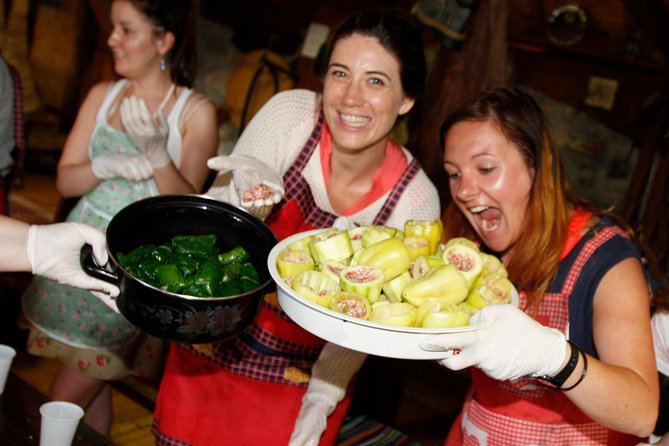
Reviewed · BOSNIAN FOOD & COFFEE
Traditional Bosnian Cooking Class in Mostar with Lunch and Drinks
This traditional Bosnian cooking class in Mostar is interesting because you learn real, practical techniques in a working kitchen, then eat what you just made. I love the hands-on approach, and I especially liked working with Amina, who teaches step-by-step without rushing you. One possible drawback: there is no hotel pickup, so you need to get yourself to Food House Mostar on time.
The best part is that the pace stays friendly even in a small group, and the setup is geared for comfort. You can choose a morning or afternoon departure, but the start time can vary by session, so double-check your confirmation and arrive a little early to settle in.
Key points before you go
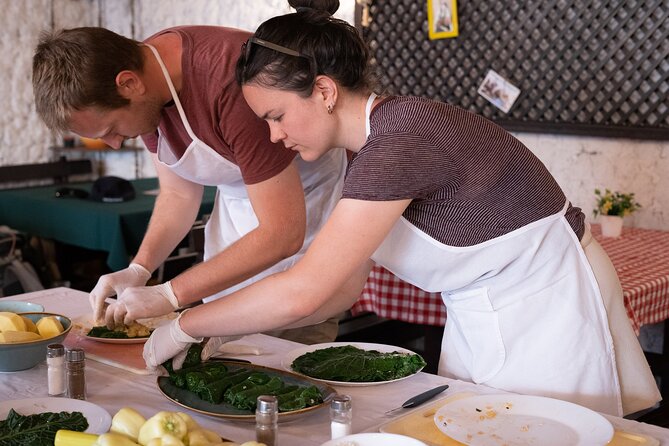
- Amina-style teaching focused on letting you knead, stir, and season each part yourself
- Dolma and burek know-how, including dough work and rolling techniques
- Rakija welcome plus a sit-down meal with local wine or beer included
- Small group size, with a maximum of 20 people, so questions are easy
- Commercial kitchen setup with the spices, tools, and ingredients ready
- 3-course lunch or dinner based on what you cook, including starter and dessert
Entering Food House Mostar, Right in the Action
You meet at Food House Mostar, Rade Bitange 12, in the heart of town. That matters because you are not stuck waiting for transfers or figuring out how to get somewhere after a long day of walking. You simply show up, check in, and start cooking.
If you are staying in Mostar center, this is convenient. If you are farther out, plan your route early because there is no hotel pickup or drop-off. The class ends back at the same meeting point, so you are not left stranded.
Start times can be session-specific. One listed start time is 5:00 pm, but the activity also runs with morning options. My advice is to treat your confirmation time as the only time, then add 10 minutes buffer for lining up, coats, and getting a drink in hand.
Where else to eat and drink coffee in Mostar:
- Mostar gastro and historical treasures
★ 5.0 · 6 reviews - Private Walking Tour, Food Tasting and Bosnian Coffee in Sarajevo
★ 5.0 · 255 reviews - Ultimate Gastro Experience
★ 4.5 · 14 reviews
How the 3-Hour Class Actually Runs, Step by Step
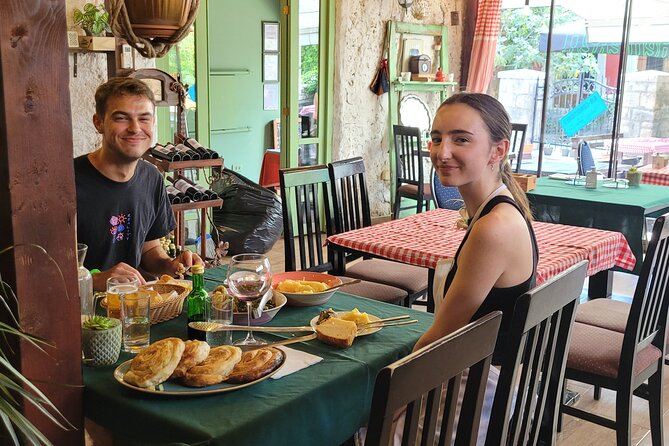
The experience is about 3 hours, and the flow is simple and logical. You start with an introduction, then you cook, then you eat your results. No weird food gymnastics. Just a steady sequence that teaches you how the dishes come together.
A typical rhythm looks like this:
- Welcome and intro
You get oriented to the kitchen and the plan for the meal. Many sessions begin with a rakija welcome drink, and some guides also offer a coffee and a small plate of nibbles while you get settled.
- Starter time
You begin with a Bosnian mezze-style starter plate, the kind that helps you understand how flavors are built in the region.
- The cooking lesson
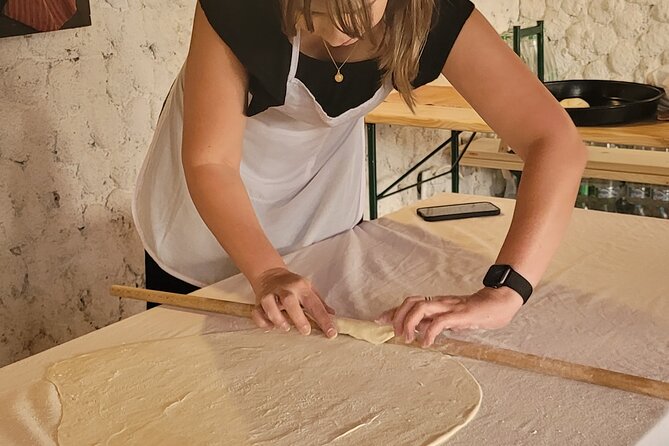
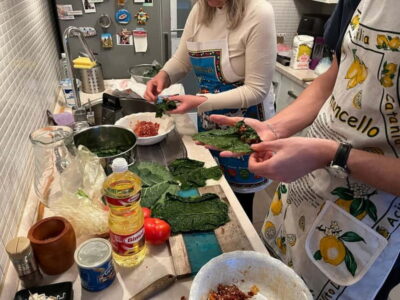
This is the main event. You work through hands-on steps, including dough handling and shaping, plus filling and rolling techniques depending on the dish.
- Eat the food you cooked
Then you sit down and actually enjoy a 3-course lunch or dinner. Local wine or beer is included with the meal.
- Farewell all
You close out the session and head back to the meeting point.
That final part matters more than you might think. You finish at the same location, so you can plan your next stop in Mostar without extra logistics.
What You Cook in a Bosnian Kitchen: Dolma, Japrak, Burek Skills
The class focuses on Bosnian specialties, and you are not just watching. The big items include dolma and burek skills, plus additional dishes that fit the menu for your session.
Here are the dishes you can expect to see on the menu, with real examples of what people often cook:
- Bosnian mezze platter as a starter
Think of this as a sampling plate that sets up the meal and familiarizes you with the region’s flavor patterns.
- Japrak and/or dolma
You may work with the grape-leaf style dish and learn the rolling logic behind it.
- Dessert like hurmasice
Hurmasice appears on the sample dessert list, so you can end with something distinctly Bosnian.
- Burek techniques
Even when the exact filling changes, you are learning dough work and how to shape it so it cooks properly.
From experience gathered in other sessions, you might also make stuffed vegetable and pastry-style dishes such as stuffed peppers, kale-leaf fillings, or a spiral stuffed pastry. One memorable detail mentioned by multiple people is the dough rolling technique with a long, thin rolling pin used for Bosnian pastry.
One more practical tip: if your hands are new to pastry work, that is normal. The class is built for learning, and instructors tend to keep things patient when dough decides to misbehave.
The Rakija Welcome and the Meal You Can Actually Taste
Food classes can fall into two traps: either you cook the food, then you barely eat it, or you eat so much that nobody teaches. This setup avoids both.
You get:
- A rakija welcome drink at the start
- A full 3-course meal of what you cooked
- Local wine or beer included with lunch or dinner
- Access to kitchen ingredients, spices, and tools needed to cook
In a couple of sessions, people also noted extra drink tastings, such as elderberry. That is not guaranteed in the tour details, but it gives you a sense of the social pace. Expect the meal to be both instructional and satisfying.
Also, plan your hunger level. If you have a big appetite, arrive ready. People suggested coming with an empty stomach, because the class ends with food that you want to pace yourself through, not just nibble at.
And yes, leftovers can matter here. At least some sessions include the option to pack up extra food to take home, and some people said they ate leftovers the next day.
More around Mostar to weigh up
- Bosnian Cooking Lessons
★ 5.0 · 269 reviews - Experience Sarajevo: Bosnian Cooking Class
★ 5.0 · 3 reviews
A Kitchen Class That Teaches, Not Just Performs
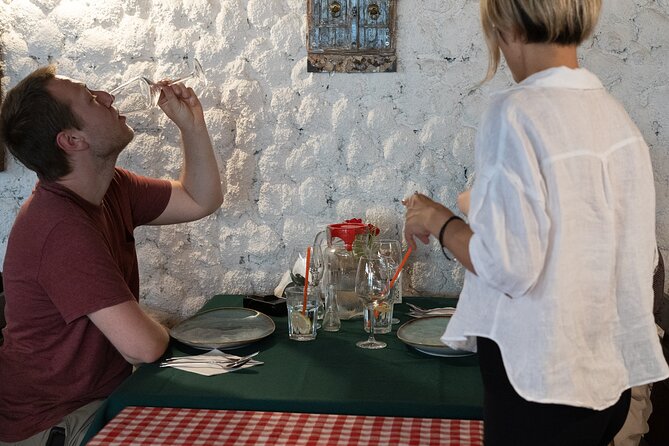
The class takes place in a commercial kitchen with spices, tools, and ingredients ready. That means you are not trying to translate recipes from your phone while a chef stands behind you. You work at stations with what you need.
What really gets praised is how actively you participate:
- You get taught techniques and timing.
- You handle dough steps yourself.
- The instructor adjusts and checks your progress as you go.
Amina specifically comes up again and again as a top instructor: patient, thorough, and relaxed about beginner mistakes. One review called out how she lets every person try each step, not just the confident cooks. That hands-on style is a huge part of the value, because you leave with a memory and a skill, not only a meal.
One extra cultural note, if you are the type to ask questions at the table: some sessions include candid conversation about Bosnia’s wartime experience and how it shaped everyday life. You should not count on a lecture, but you can expect real-life answers if you ask.
Price and Value: Is $90.11 Worth It?
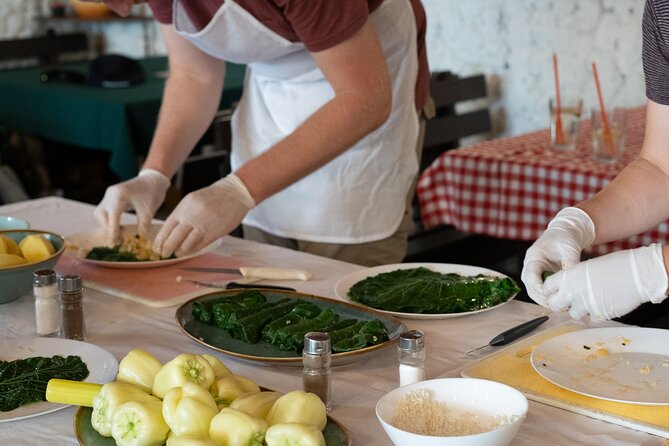
At $90.11 per person for about 3 hours, the price looks steep compared to a walking tour. But it stacks up better when you break down what you receive.
You are paying for:
- An English-speaking guide
- Hands-on instruction with real ingredient and tool access
- Cooking of multiple dishes, including dough work
- A 3-course lunch or dinner
- A rakija welcome drink
- Local wine or beer included with the meal
If you would otherwise pay a normal restaurant meal, plus a local guide, plus a cooking instruction experience, this becomes easier to justify. It is not only about the food. You are buying a structured, guided way to learn Bosnian dishes that you can recreate later.
One more value point: group size stays reasonable, with a maximum of 20 people. That supports the hands-on teaching style, because you are not stuck behind a screen watching others cook.
Who This Mostar Class Fits Best (and Who Might Want to Skip It)
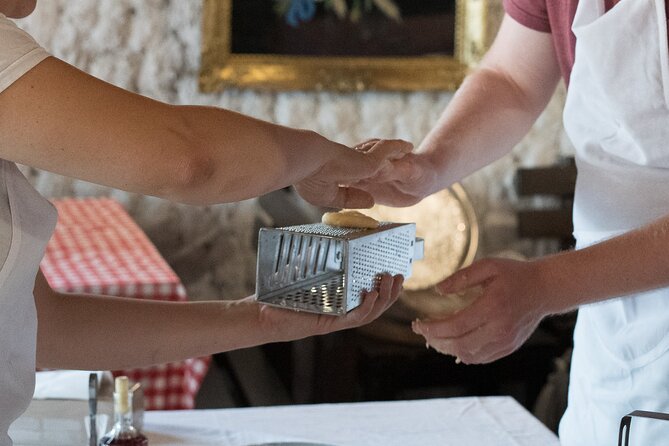
This is a great fit if you want:
- Real food skills, not just a tasting
- A friendly small-group setting
- A meal that is included and tied directly to what you cook
- English guidance with a clear teaching pace
It can also work well for families, since the minimum age is 9. That said, there is a minimum drinking age of 18, which matters if you are traveling with teens. If alcohol is a concern for your group, mention it when you book.
Two things to plan for:
- You need to meet at Food House Mostar on your own, since there is no pickup.
- Dietary requirements should be shared when you book, but the exact adjustments are not detailed in the info. So ask early if you have any serious needs.
If you hate kitchens, mess, and hands-on work, this probably will not be your thing. But if you are curious and want to make dolma and learn burek dough technique, you will likely have a lot of fun.
Should You Book This Mostar Bosnian Cooking Class?
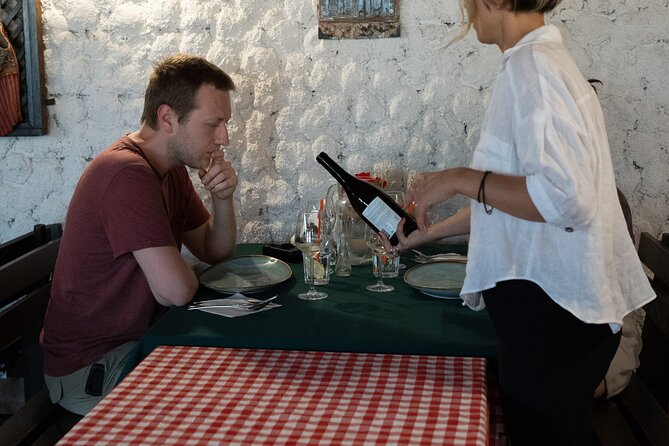
If you like food that you can learn, not just eat, I would book it. The biggest reasons are simple: you cook classic Bosnian dishes like dolma and burek, and you finish with a full 3-course lunch or dinner that you made yourself. Add a rakija welcome and a guide like Amina who keeps the steps clear, and you get a serious value for a short time in Mostar.
Book it especially if you want an authentic, local-feeling experience without needing special skills ahead of time. And do yourself a favor, check your session start time carefully and arrive early, since punctuality affects how much of the cooking sequence you get to participate in.
FAQ
Where is the meeting point for this Mostar cooking class?
You meet at Food House Mostar, Rade Bitange 12, Mostar 88104, Bosnia and Herzegovina. The activity ends back at the same meeting point.
How long does the cooking class last?
The duration is approximately 3 hours.
What time does the class start?
One listed start time is 5:00 pm, and the experience also offers morning or afternoon departures. Your confirmation should include the exact start time for your session.
What dishes are included in the cooking lesson and meal?
The sample menu includes a Bosnian mezze platter starter, japrak and/or dolma mains, and hurmasice dessert. The class also teaches traditional Bosnian specialties including dolma and burek skills.
Are drinks included?
Yes. You get a rakija welcome drink, and the 3-course lunch or dinner includes local wine or beer. Additional beverages are not included.
What is the cancellation window for a refund?
You can cancel for a full refund up to 24 hours before the experience start time. If you cancel less than 24 hours before, the amount paid is not refunded.
More Lunch Experiences in Mostar
- Understanding Srebrenica Genocide Tour + Lunch with Local Family Included
★ 5.0 · 123 reviews - Lukomir Nomad Village Hiking from Sarajevo – Local Lunch Included
★ 5.0 · 21 reviews - Understanding Srebrenica Genocide + Lunch With Local Family – Private Tour
★ 5.0 · 18 reviews - Understanding Srebrenica Genocide + Lunch with Local Family
★ 4.9 · 14 reviews
More Workshops in Mostar
- Jewelry Making Workshop in Mostar
★ 5.0 · 39 reviews - Bosnian Traditional Handicraft, half-day – do it yourself – Coppersmith Workshop
★ 5.0 · 13 reviews - COPPER HANDICRAFT WORKSHOP (Make your own souvenir from Sarajevo)
★ 5.0 · 10 reviews - Spray Sarajevo: Graffiti Workshop at the Olympic Bobsleigh Track
★ 5.0 · 7 reviews
Newest Mostar write-ups
- Private Transfer from Mostar to Split★ 5.0 · 3 reviews
- Mystical Sutjeska National Park★ 5.0 · 3 reviews
- Mostar Guided Tour & Sweet Delights★ 5.0 · 3 reviews
- Burek Masterclass in Mostar★ 3.0 · 3 reviews
- All Inclusive Neretva Rafting, Day Tour from Mostar★ 5.0 · 4 reviews
- Mostar Old Town Walking Tour – Best Seller★ 5.0 · 4 reviews
- Authentic Medjugorje Tour★ 4.0 · 4 reviews
- Private Transfer from Mostar and Split★ 5.0 · 5 reviews
Bosnian Food & Coffee, compared.
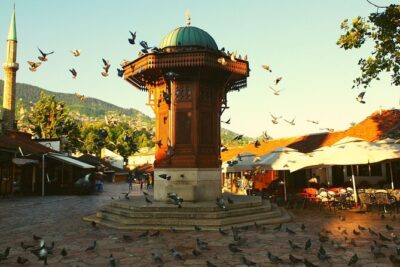
Private Walking Tour, Food Tasting and Bosnian Coffee in Sarajevo
Read our review →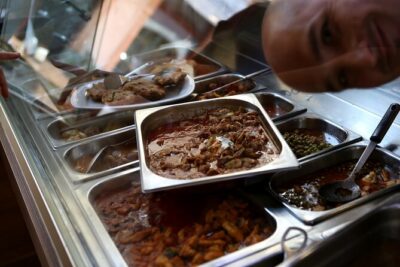
Browse the lists this tour appears in