
Reviewed · WORKSHOPS
Bosnian Cooking Lessons
A Sarajevo cooking class feels different when it is tied to specific dishes you can actually copy at home. This one is interesting because it teaches Bosnian basics step by step, and I really love that it includes wine and soft drinks while you cook, eat, and ask questions. A possible drawback: it is a shared format, and it is designed around alcohol being part of the experience, so plan accordingly if you prefer to avoid wine.
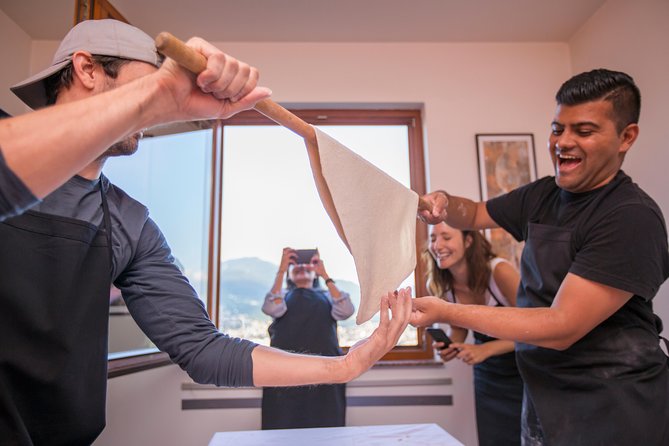
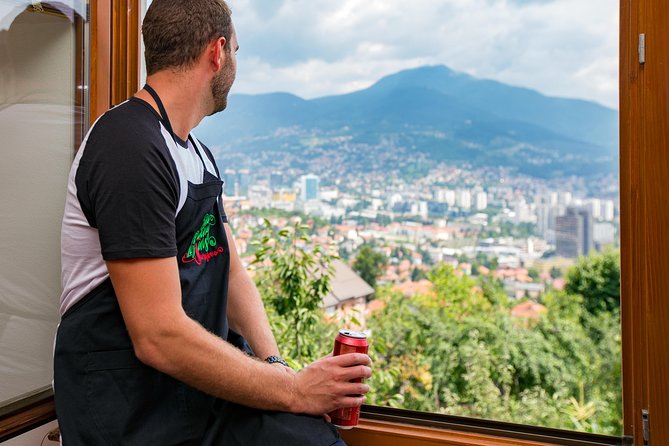
You’ll start with a welcome drink, then get time to meet your hosts while looking out over the city from a panoramic spot. I also like the hands-on practice here, because you do the shaping and rolling, not just watch someone else do it.
One more consideration: the class is about 4 hours, and the menu includes a phyllo-style burek dough technique that takes focus. If you want a totally laid-back pace, go in expecting to concentrate and get your hands in the work.
Key Things You Should Know Before You Cook
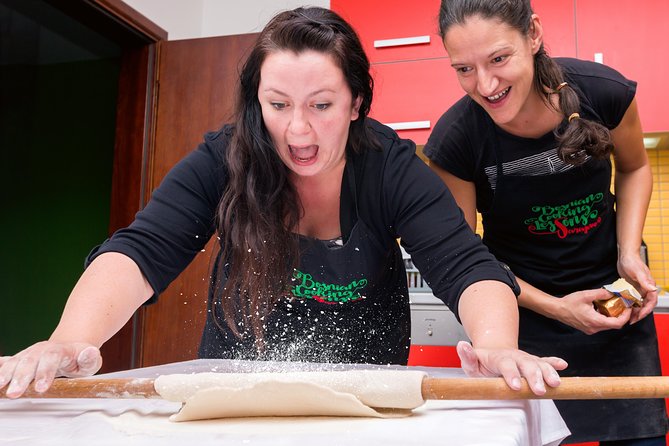
- Hands-on shaping and rolling for multiple stuffed dishes, not just one item
- Wine and soft drinks served while you learn, plus coffee and tea
- A two-part menu, with vegetable rolls and dolma-style fillings before burek
- Small group size (max 13), so you get real chef attention
- Seasonal burek fillings (potatoes, meat, or cheese) and options for veg plans
- Recipes and step-by-step videos after so you can cook again at home
Sarajevo Starts in the Kitchen, Not a Food Court
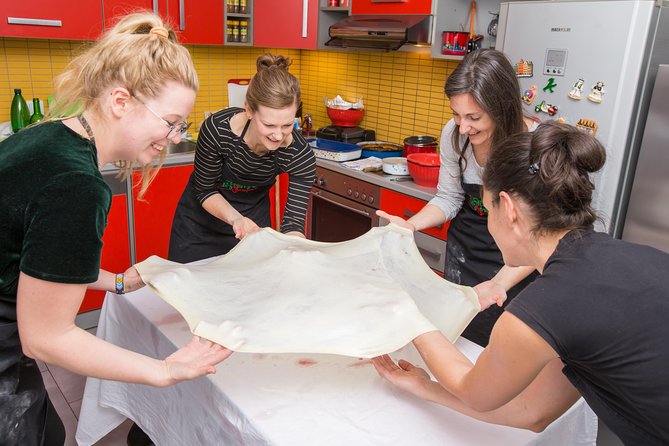
This is the kind of activity that helps you understand Sarajevo cuisine with your hands, not your camera roll. You’ll cook several classic Bosnian dishes, then eat what you make as part of the lesson. For me, that is the sweet spot: you leave with both memories and repeatable skills.
The format matters. A small shared group keeps things lively and social, but it also means the chef can still guide you when your dough gets a little dramatic or your rolling is thicker than planned. And since the evening is built around cooking, dinner is not an add-on. It is part of the lesson.
The price, $96.79 per person, is tied to that setup. You get a chef guide, a structured menu, dinner, coffee or tea, and alcoholic beverages. If you’ve ever paid for a tasting menu where you learn almost nothing, this is the opposite. Here you pay for the skill, and the eating is the reward.
More around Sarajevo to weigh up
- Experience Sarajevo: Bosnian Cooking Class
★ 5.0 · 3 reviews - Traditional Bosnian Cooking Class in Mostar with Lunch and Drinks
★ 5.0 · 16 reviews
Getting Oriented: Meeting at Skendera Kulenovića and the Panoramic Start
Your day begins at Skendera Kulenovića, 71000 Sarajevo. The activity starts at 2:30 pm and ends back at the meeting point. That end point is helpful, because you are not stuck trying to figure out transport after you’ve cooked for hours and eaten well.
One practical detail to consider: Skendera Kulenovića is not in the flat middle of town, so you might find it takes effort to reach by foot from central Sarajevo. If you are staying in the core, give yourself time, or plan to use a taxi or rideshare to keep the afternoon stress-free.
Before you start cooking, you get a welcome drink, coffee or tea, and a chance to meet your hosts. The panoramic viewpoint angle is more than decoration. It helps you get your bearings fast, so you feel like you are already part of the city while you settle in for the lesson.
The Host Team: Warm Guidance From Mersiha and Mustafa
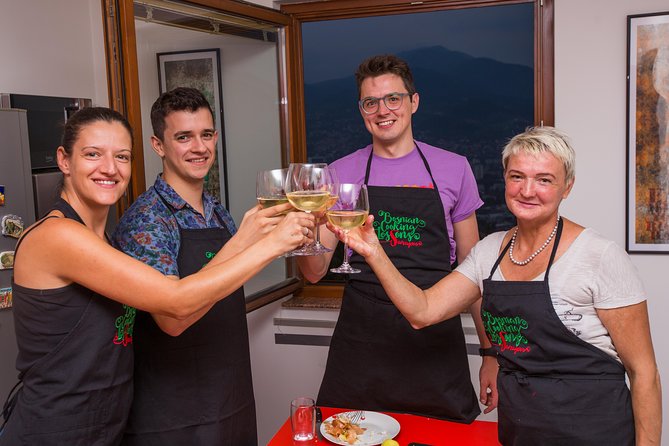
The vibe is very home-style. You’ll be welcomed and introduced to the cooking plan, and you can expect friendly conversation along the way. Based on the experience style reported by past participants, Mersiha and Mustafa guide the class with a patient, clear approach. That matters because burek dough technique is not something you master by reading.
The guidance is also practical. You’ll get walked through what you are making, then you’ll do the work yourself. When something goes off, you are not left to figure it out alone. If you’re a first-timer, that is the difference between a fun lesson and a frustrating one.
If you are traveling solo, I also like the fact that the hosts are attentive about little details that make you feel included, like helping with photos during the class.
Part I: Three Stuffed Dishes That Teach You Bosnian Flavor Logic
The cooking lesson has two main parts. Part I focuses on stuffing and rolling, so you learn the logic of fillings and how Bosnian flavors build from rice, spices, and minced meat.
Somewhere quieter after Sarajevo:
- Sarajevo: Mostar, Konjic, Blagaj Tekke, Pocitelj & Waterfall
★ 4.9 · 1,666 reviews - Fall of Yugoslavia, Sarajevo War Tour with Tunnel of Hope Museum and Frontlines
★ 5.0 · 1,314 reviews - Sarajevo: Grand Walking Tour Through Time and Cultures
★ 4.8 · 1,236 reviews - Sarajevo: Mostar, Konjic, Sufi House, Pocitelj & Kravice Falls
★ 5.0 · 1,179 reviews
1) Sogan dolma, Onion Rolls With a Meaty, Spiced Filling
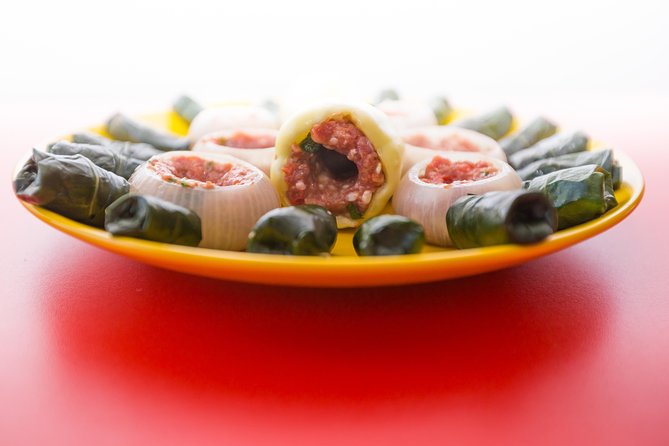
You start with onions filled with minced meat, rice, and spices. This dish is a great first step because it teaches you how the filling should feel before it ever hits the dough world. You learn how to distribute filling and manage portions so the onions cook evenly.
Why this matters: once you understand stuffing and seasoning balance here, the rest of the menu becomes easier. It’s not random stuffing. It is a repeatable pattern.
2) Japrak, Spinach Leaves Rolled Tight and Neat
Next comes japrak, mangel or spinach leaves rolled with minced meat, rice, and spices. Rolling is where the class turns from simple prep into real technique. Expect hands-on guidance so your rolls hold together rather than falling apart.
This step also helps you understand texture. Leaves can be forgiving, but if you overstuff or roll too loosely, the final bite changes. You’ll feel the difference when you compare your own rolls to the chef’s demonstration.
3) Dolma, Paprika Filled With the Same Building Blocks
Then you move to paprika filled with minced meat, rice, and spices. It’s a smart progression, because you see the same filling idea in a different wrapper.
That is useful for home cooking. After this, you can think of fillings as a base, then choose a vessel, like leaves or pepper, depending on what you can find.
Part II: Burek Dough Work, Wine, and the Classic Sarajevo Payoff
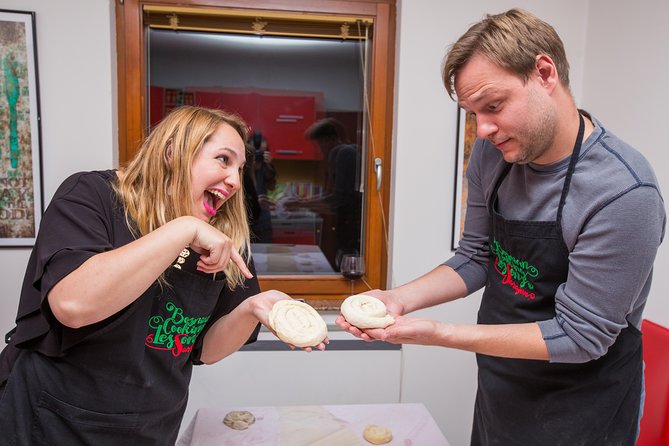
Part II is where the lesson gets more dramatic, in the best way. You’ll learn about burek-phyllo dough rolled with potatoes, meat, or cheese, depending on the season.
Why the wine is not just a drink
Wine and soft drinks are served as you cook. The lesson framing makes sense: stretching and working with dough takes patience, and it helps to stay relaxed and confident. You don’t need to be a pastry genius to shape burek dough, but you do need steady hands and enough calm focus to avoid tearing it.
So yes, alcohol is included. But think of it as part of the atmosphere and pacing, not a requirement. If you drink slowly or prefer a non-alcohol approach, you can still participate fully with the food technique.
The seasonal filling is a clue to how locals shop
The filling depends on the season, so your final burek might lean more potato-forward, more meat-forward, or more cheese-forward. That keeps the class connected to how real households cook based on what is in and what works.
If you want one skill to take home no matter what filling you use, focus on dough handling and rolling technique. Fillings can change, but how you stretch and roll tends to transfer.
Vegan and vegetarian options exist, but you should request them
Vegetarian and vegan options are available on request. From a planning point of view, I’d message ahead so the kitchen can prepare a version that matches your diet rather than making you adapt during the most technical part.
Dinner and the Best Part: Eating What You Made
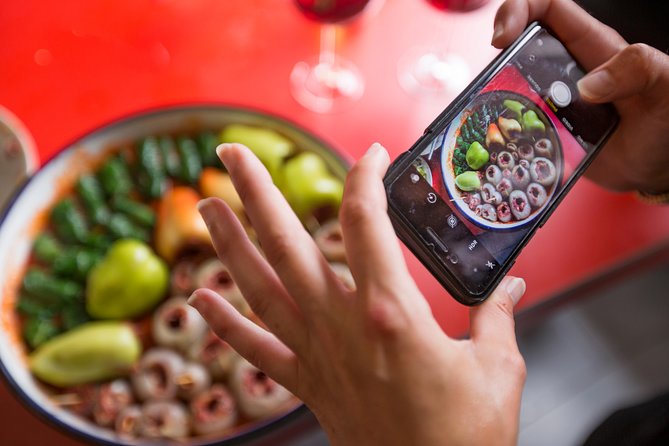
Once you finish cooking, you eat together. You’ll have plenty of time to ask questions, and that is where the lesson becomes more valuable than a simple meal.
Ask things like:
- how to adjust spice levels at home
- what to do if dough tears slightly
- how to store leftovers and reheat without ruining texture
Also, the dinner aspect is not separate from the instruction. You are eating your result while it is still fresh, so you can connect taste directly to technique you just practiced.
Coffee or tea is included too, which helps make the whole experience feel like an afternoon that becomes an evening.
What You Learn That Actually Helps You Cook at Home
This is not a vague cultural talk. The class is structured around dishes that can be recreated at home, and it teaches technique you can use again and again.
Here are the practical takeaways I’d expect you to walk away with:
- Stuffing ratios and seasoning rhythm using onion, leaf, and pepper as your base lessons
- How to roll and control thickness, so your fillings cook evenly
- Burek dough handling, especially stretching and rolling with less tearing
- A clearer sense of how seasonal choices change fillings
- A menu you can repeat for family dinners without guessing what comes next
One more bonus: many past participants report getting recipes and step-by-step videos after the class. That is huge for follow-through. You cook once while it is fresh in your mind, then you use the instructions later when you have time to correct small mistakes.
Price, Value, and Who This Class Is Best For
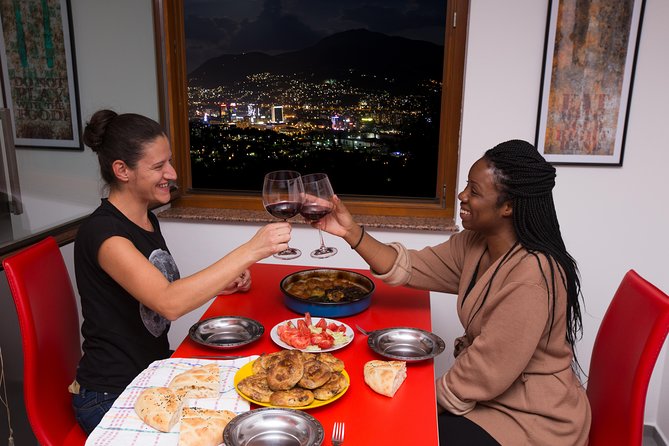
This tour runs about 4 hours and costs $96.79 per person. For me, the value comes from what you get: multiple dishes, chef guidance, dinner, coffee or tea, and alcoholic beverages.
If you love food but don’t want a passive experience, this is a strong pick. If you like small group interactions, the max 13 travelers helps keep it personal.
It’s especially good for:
- first-time Sarajevo visitors who want a hands-on cultural anchor
- couples and friends who enjoy cooking together
- solo travelers who want a warm, social table and someone to explain things patiently
- anyone who wants recipes you can recreate, not just a meal you forget
A mild mismatch:
- If you want a fully alcohol-free experience, you should contact the operator first. The class does serve wine and other alcoholic beverages.
- If you hate getting your hands messy, you might find the dough and rolling parts more work than you prefer.
Practical Tips So You Enjoy the Full 4 Hours
These are simple but they make a difference:
- Wear something comfortable. You’ll be rolling and shaping, and cooking can get messy fast.
- Arrive a few minutes early so you can start with the welcome drink and get settled before cooking begins.
- If you need dietary changes, request them up front, especially for vegetarian or vegan versions.
- If you drink wine, pace yourself. You’ll want steady focus for the dough work.
- Bring questions. The class is built with time afterward to ask anything.
Should You Book This Bosnian Cooking Lesson in Sarajevo?
I think you should book if you want a real Sarajevo food experience where you leave with skills. The biggest strengths are hands-on instruction, the warm hosting style with Mersiha and Mustafa, and the fact that dinner is part of the learning, not a separate stop.
You might skip it if you are looking for a hands-off sightseeing activity, or if alcohol is a deal-breaker for you. Otherwise, this is a fun, structured, small-group class with enough local authenticity to make your next meal feel more like Sarajevo than random restaurant leftovers.
FAQ
How long is the Bosnian cooking lesson in Sarajevo?
It runs for about 4 hours.
What time does the class start?
The start time is 2:30 pm.
Where does the class start?
The meeting point is Skendera Kulenovića, 71000 Sarajevo, Bosnia and Herzegovina.
What dishes will we cook during the class?
You’ll cook Sogan dolma (onion filled with minced meat, rice, and spices), Japrak (rolled mangel or spinach leaves with minced meat, rice, and spices), and Dolma (paprika filled with minced meat, rice, and spices). In the second part, you’ll make burek using phyllo dough rolled with potatoes, meat, or cheese depending on the season.
Is dinner included?
Yes. Dinner is included, along with coffee and/or tea.
Is wine served during the class?
Yes. Wine and soft drinks are served, and alcoholic beverages are included.
Are vegetarian or vegan options available?
Yes, vegetarian and vegan options are available on request.
Is private transportation included?
No. Private transportation is not included.
What is the cancellation policy?
You can cancel for a full refund if you cancel at least 24 hours before the experience’s start time. Free cancellation is offered.
Newest Sarajevo write-ups
- Sarajevo to Zagreb: One-Way Tour via Jajce, Travnik, Pliva Lake and Watermills★ 5.0 · 3 reviews
- Mountain Village Lukomir Full Day Adventure Tour★ 5.0 · 3 reviews
- Sarajevo E-Bike City Tour★ 5.0 · 3 reviews
- Bosnian Kingdom Capitals: Travnik & Jajce Tour from Sarajevo★ 5.0 · 3 reviews
- Strbacki Buk and Una Waterfalls: Day Trip from Sarajevo★ 5.0 · 3 reviews
- Sarajevo Snowshoeing Adventure★ 5.0 · 3 reviews
- Sarajevo Old Town: Bosnian Coffee, Baklava & Panoramic Views★ 5.0 · 3 reviews
- 4 Hours Tara Rafting Trip★ 5.0 · 3 reviews
Workshops, compared.
Traditional Bosnian Cooking Class in Mostar with Lunch and Drinks
Read our review →
Bosnian Traditional Handicraft, half-day – do it yourself – Coppersmith Workshop
Read our review →
COPPER HANDICRAFT WORKSHOP (Make your own souvenir from Sarajevo)
Read our review →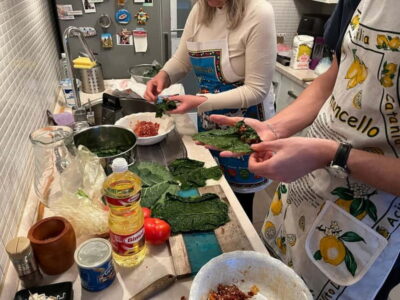
Browse the lists this tour appears in