
Reviewed · SREBRENICA MEMORIAL VISITS
Understanding Srebrenica Genocide Tour + Lunch with Local Family Included
This tour is interesting because it doesn’t start in 1995. It traces how ethnic cleansing in 1992 built the grim path toward the Srebrenica genocide, using real places outside Sarajevo. I love the way the day is structured in clear chunks, so you can follow the story without feeling lost, and I love the small-group size that keeps the pace human.
The other big reason I’d recommend it is the home-hosted lunch. You’re not just eating well, you’re sharing a meal in Srebrenica with a local family connected to the events, with stories and context served alongside the food. One possible drawback: this is an emotional day, and the memorial stop has a fixed time, so if you want to read every word in detail, you’ll have to choose what to prioritize.
Key things you will notice right away
- Hotel pickup across Sarajevo so you start the day already in “tour mode”
- Private vehicle for up to 8 people, which makes Q and A easier on a long drive
- Romanija-region stops that explain 1992 ethnic cleansing before you reach Srebrenica
- Sušica and Zaklopača placed in the timeline, not treated like random history stops
- Potočari Memorial Centre and cemetery with free admission and a focused 3-hour block
- A full-course lunch hosted in Srebrenica, made from scratch with locally grown ingredients
A long, meaningful route from Sarajevo to Srebrenica
This is a full 10-hour day trip (approx.) that starts early, with pickup around 8:00 am from your place in Sarajevo. You’ll ride in a private vehicle with a small group, which matters here. When the subject is heavy, you want room to breathe, ask questions, and not feel herded.
You’ll also get comfort stops along the way, which sounds basic until you’re reminded the drive is long. On this day, the schedule is built to keep you functional enough to take in hard material with proper focus.
The story moves step by step: first the 1992 violence, then the 1995 genocide sites. That order helps your brain connect dates, places, and names, instead of treating Srebrenica as a single isolated moment.
Other visits to Srebrenica, told plainly:
- From Sarajevo: Srebrenica Genocide Memorial Study Tour
★ 5.0 · 359 reviews - Sarajevo: Srebrenica Genocide Study Tour with War Veteran
★ 5.0 · 263 reviews - From Sarajevo: Srebrenica Genocide Memorial Study Tour
★ 5.0 · 242 reviews
Romanija foothills and the 1992 ethnic cleansing that set the stage
One early stop puts you at a small mountain town at the foot of Romanija, known for scenic views. The irony is sharp: while the scenery looks calm, the history in this region is not. Your guide will explain the ethnic cleansing of Bosniaks by forces of the Republic of Srpska in this area during 1992.
This part of the day works well if you like context. It helps you understand the bigger pattern: how displacement, forced separation, and systematic targeting shaped what came later. If you only jump straight to the memorial, you might know the genocide happened, but you won’t feel the logic of the timeline.
Here’s a practical mindset tip. During the first stops, write down a couple of names or dates in your phone notes. When you reach Potočari, the details will start clicking faster.
Sušica concentration camp: learning how 1992 violence escalated
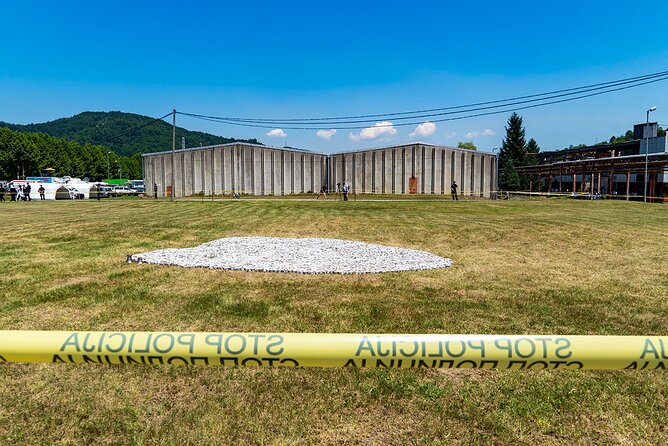
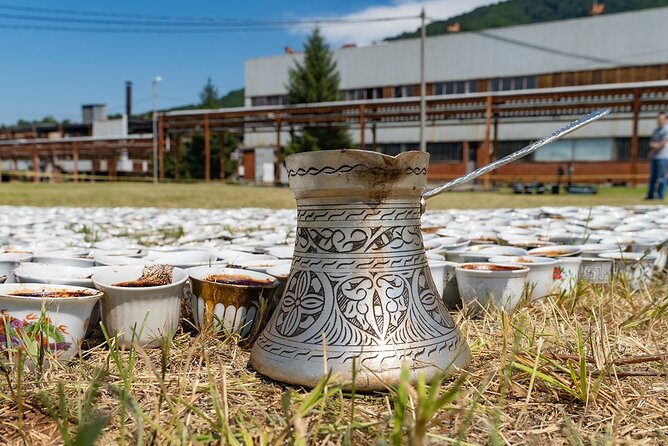
Next comes one of the most difficult stops on the trip: the area associated with Concentration Camp Sušica. The tour frames it clearly. The camp was established in 1992 by the Republic of Srpska Army, and more than 8,000 Bosniaks were held there successively.
Even if you’ve read the basics before, seeing a place tied to that kind of confinement forces your imagination to slow down. Your guide’s job is to keep it factual and place it in the wider campaign, not turn it into a series of random tragedies.
You’ll likely have questions here. I’d encourage you to ask them. If you’re unsure where to start, focus on cause and timing: What changed after 1992? How did conditions lead to later mass executions in 1995? A good guide can connect those dots without losing respect for the victims.
Zaklopača massacre: why the timeline matters before you reach Srebrenica
Another stop brings you to the story of the Zaklopača Massacre, dated 16 May 1992. The tour explains that all members of the village were killed, including 59 Bosniaks, among them 12 children, with only very few survivors.
This is the kind of information that you don’t “process” in one minute. You need time to let it land. In a long day like this, the most important thing is pacing yourself mentally. If you feel overwhelmed, it’s okay to take a breath, step back, and listen again from a calmer place.
What I also appreciate about this section is that it shows the progression. This is not just background trauma, it’s part of the mechanism that pushed communities toward later catastrophe.
More around Sarajevo to weigh up
- Lukomir Nomad Village Hiking from Sarajevo – Local Lunch Included
★ 5.0 · 21 reviews - Understanding Srebrenica Genocide + Lunch With Local Family – Private Tour
★ 5.0 · 18 reviews - Understanding Srebrenica Genocide + Lunch with Local Family
★ 4.9 · 14 reviews - Traditional Bosnian Cooking Class in Mostar with Lunch and Drinks
★ 5.0 · 16 reviews
The Srebrenica genocide thread: a gathering point that led to July 1995
Before you reach the memorial, the tour connects the 1992 campaign to the July 1995 Srebrenica genocide. You’ll learn how the town you’re visiting was described as the first gathering point for majority Bosniaks, later killed in mass executions.
That link is important for understanding how violence can move from local events to mass atrocity. When the tour makes this connection, you get more than a history lesson. You get a framework for seeing how people were collected, targeted, and destroyed.
If you want to get the most out of this part, do it the slow way: listen fully during the talk, then after the next stop, take a short moment to think, How does this place fit into the larger story?
Potočari Memorial Centre: your 3 hours where respect is the main plan
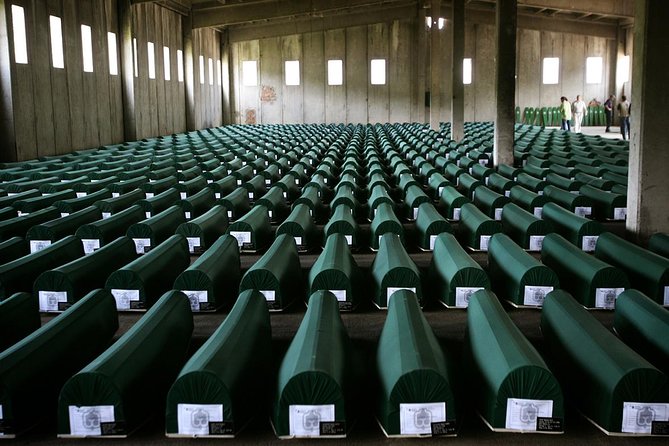
The day’s first major Srebrenica stop is the Memorial Centre in Potočari, with free admission and about 3 hours on-site. This is where the scale becomes real. The memorial centre is dedicated to victims of the genocide in July 1995, and the exhibitions are extensive.
Here’s my practical advice: 3 hours is enough time to understand the core story, but not enough if you try to read everything cover to cover. Plan your visit like a buffet with intention.
Do this:
- Start with the main exhibits first, so you build the overall understanding.
- Then pick one or two sections that grab you emotionally or intellectually.
- Leave a little space at the end for quieter reflection.
Your guide’s explanations can help you decide where to focus. Also, you might want to bring water and keep your phone battery charged. Not because you’ll be taking selfies, but because your notes and maps are useful.
Lunch in Srebrenica with a local family: where the day becomes human
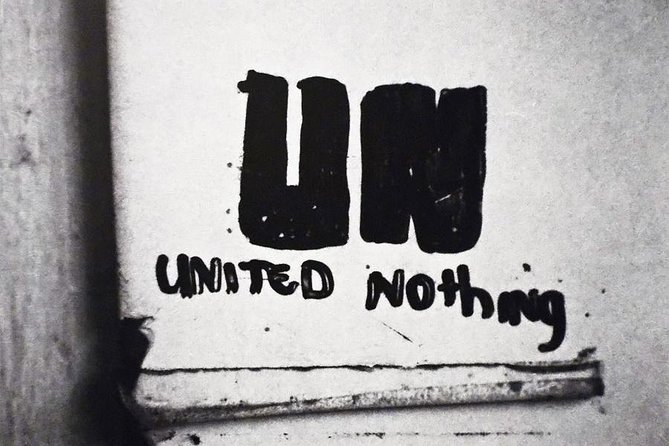
The highlight for many people on this tour is the full-course home-hosted lunch in Srebrenica, served for about 1 hour. Admission here is also listed as ticket free, but the real inclusion is the people connection.
This lunch is described as made from scratch, using organically grown ingredients from local farms of Srebrenica genocide survivors. That detail matters because it ties food to resilience, not to a staged performance.
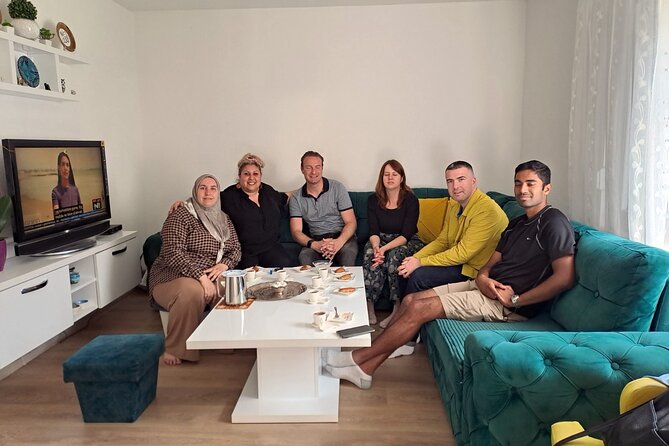
You’ll likely hear personal stories. The lunch part is set up with an important attitude: Genocide denial, unemployment, and discrimination can be frequent for predominantly Bosniak people in Srebrenica, and the tour uses sustainable tourism to support local communities. So your meal is also a form of small, direct support for families trying to build a future.
A useful way to approach this lunch is to be present and simple. Listen more than you talk. If you ask questions, keep them respectful and let the family set the pace.
Also, since this is a long day, be ready for the emotional shift. You go from memorial weight to shared conversation and good food. It can feel strange at first, then gradually you realize that this is exactly what life looks like after trauma, people cooking, laughing a little, and still carrying memory.
Visiting Srebrenica town: matching names to real places
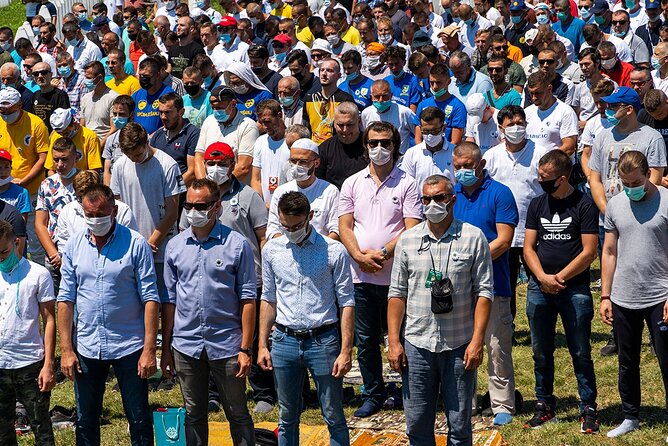
After lunch, you’ll visit Srebrenica town for additional parts of the genocide story, with a chance for a lunch break if needed. Admission is listed as ticket free, and the time block is about 1 hour.
This section helps connect what you learned in Potočari to the wider setting. Seeing the actual town locations you heard about adds a spatial layer that museum panels can’t fully provide. It’s also the place where you may feel the contrast hardest: today’s town life versus the events you just studied.
If you’re the type who likes to take photos, keep it practical. Focus on wayfinding shots that help you remember where things are, rather than trying to capture grief. The guide will also steer you toward what to observe.
Price and logistics on a 10-hour, max 8 person day
The price is $96.75 per person for roughly 10 hours. For many people, that feels fair mainly because the day includes several things that are expensive or hard to organize separately in Bosnia: hotel pickup, a private vehicle, an English-speaking guide, and the home-hosted lunch.
Also, the group size is max 8 travelers, which is a big deal on a long day with solemn topics. Fewer people means more questions answered, fewer waiting moments, and less “stand in a line” stress.
You’ll get a mobile ticket, which keeps things easy. Confirmation is sent within 48 hours, based on availability, so you’re not left guessing for too long.
One more small-but-real point: smart casual dress is required, and the tour enters a Muslim cemetery, so dress accordingly. Bring something modest and comfortable because you’ll be walking and standing.
What to ask your guide before you hit the memorial
Your guide is doing more than reading facts. Based on the way the trip is set up, you’ll get context for the region, the political backdrop, and the way these sites connect.
If you want a smoother day, ask questions in the calmer early part of the route, not only during the cemetery. Good targets:
- What should I focus on at the memorial centre, given the time?
- How do the 1992 events connect to July 1995 in this region?
- What are the key places I’m seeing today, and why were they significant?
Guides on this kind of tour often bring personal perspective. In the past, guides named Adnan, Almir, and Ado have been highlighted for their ability to answer questions and explain the story in a balanced way. If your guide shares personal experience, listen closely, and use it to understand context, not to turn the day into a personal interview.
Who this tour is for, and who might want a lighter day
This tour suits you if you want real context, not just a quick memorial visit. You get a guided route with multiple historical stops, plus time at Potočari and then a local meal that makes the story feel lived-in rather than distant.
It also suits you if you prefer smaller groups and clear pacing. The private vehicle and limited number of people help.
But if you’re someone who gets overwhelmed easily by trauma-related material, be honest with yourself. This is not a “feel-good” day. The experience is powerful, and you should expect to carry that with you.
If you do book, plan one easy thing afterward for your evening. You’ll likely want quiet, a long dinner, and no rushed plans.
Should you book this Srebrenica Genocide Tour + lunch?
Yes, I think you should book it if you care about understanding the full sequence of events and you’re ready for an emotional, respectful day. The strongest value is the combination of structured context and lunch with a local family that supports survivors’ community life today. The price makes more sense when you factor in pickup, private transport, guide time, and the full-course meal.
The only real reason to hesitate is time and emotional load. You get a set amount of time at Potočari, and the topics are heavy. If you can accept that, this is the kind of trip that changes how you understand Bosnia’s present by explaining the past that shaped it.
If you want, tell me your travel month and whether you prefer quiet reflection or lots of Q and A, and I’ll suggest how to pace yourself during the day.
FAQ
How long is the tour from Sarajevo?
It runs for about 10 hours, approximately.
Do they pick up guests from hotels in Sarajevo?
Yes. Pickup is offered from any address in Sarajevo, including hotels, hostels, or another agreed location.
Is the tour in English?
Yes, the tour is offered in English.
How many people are in the group?
The maximum group size is 8 travelers.
Is the memorial admission included?
The tour lists admission as free for the Memorial Centre in Potočari, and it also lists admission ticket free for the Srebrenica stop.
What is the lunch like?
You’ll have a full-course home-hosted lunch with a local family in Srebrenica. The meal is made from scratch using ingredients from local farms of genocide survivors.
What should I wear since the tour enters a Muslim cemetery?
The dress code is smart casual. You should dress accordingly for the cemetery.
Newest Sarajevo write-ups
- Sarajevo to Zagreb: One-Way Tour via Jajce, Travnik, Pliva Lake and Watermills★ 5.0 · 3 reviews
- Sarajevo E-Bike City Tour★ 5.0 · 3 reviews
- Mountain Village Lukomir Full Day Adventure Tour★ 5.0 · 3 reviews
- Bosnian Kingdom Capitals: Travnik & Jajce Tour from Sarajevo★ 5.0 · 3 reviews
- Strbacki Buk and Una Waterfalls: Day Trip from Sarajevo★ 5.0 · 3 reviews
- Sarajevo Old Town: Bosnian Coffee, Baklava & Panoramic Views★ 5.0 · 3 reviews
- Sarajevo Snowshoeing Adventure★ 5.0 · 3 reviews
- 4 Hours Tara Rafting Trip★ 5.0 · 3 reviews
Srebrenica Memorial Visits, compared.
Srebrenica Genocide Study Tour with War Veteran
Read our review →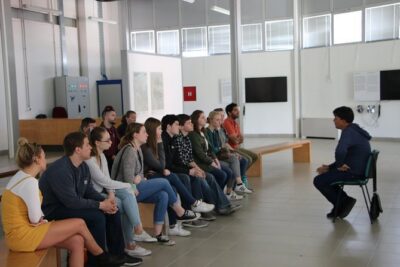
Sarajevo to Srebrenica: Genocide Study Tour with War Veteran
Read our review →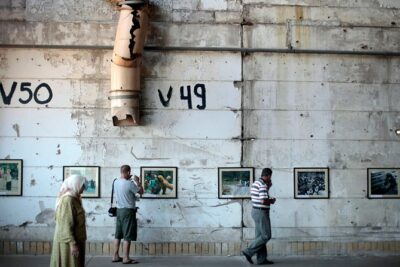
Understanding Srebrenica Genocide – Day tour from Sarajevo
Read our review →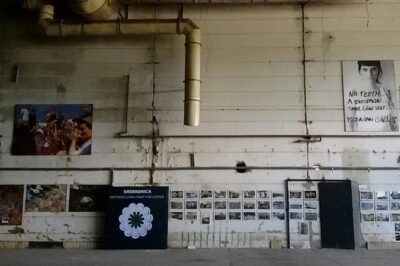
Understanding Srebrenica Genocide + Lunch With Local Family – Private Tour
Read our review →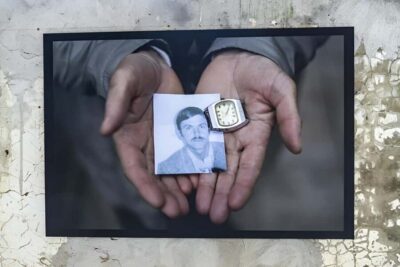
Understanding Srebrenica Genocide + Lunch with Local Family
Read our review →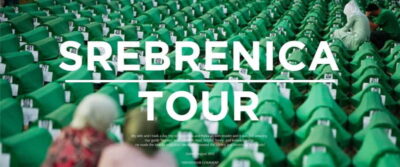
Srebrenica Genocide Memorial and Testimonial Tour
Read our review →Browse the lists this tour appears in