
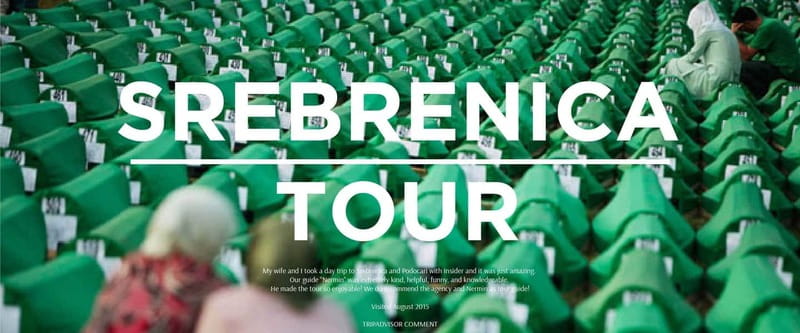
Reviewed · SREBRENICA MEMORIAL VISITS
Sarajevo: Srebrenica Genocide Memorial and Testimonial Tour
Srebrenica is one of those places where the facts matter, but the feeling matters too. This full-day trip is interesting because it combines the Srebrenica-Potočari Memorial with direct, human accounts, so you leave with a clearer timeline and a more real sense of what it meant for families. I love how the day is guided with a respectful structure, starting in Eastern Bosnia and ending in remembrance, not in shock tourism. I also love the testimonial lecture, which is shared by people connected to the events, giving the history a voice.
My main consideration is that this is emotionally intense, and it is not a casual sightseeing day. The tour lasts about 9 hours and food and drinks are not included, so you will want to plan for your comfort. You also have a strict dress code, including a headscarf, and you cannot wear shorts, short skirts, or sleeveless shirts.
Key things you will notice on this Srebrenica tour
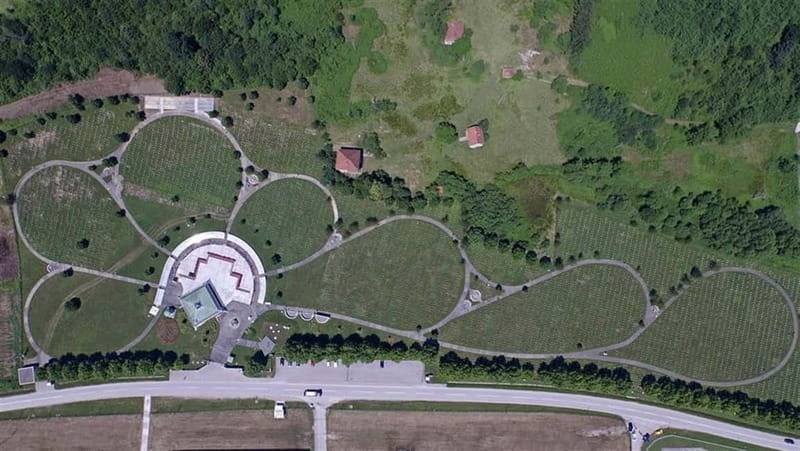
- Srebrenica-Potočari Memorial Complex: a focused visit to honor over 8,000 victims
- The former UN base: the museum setting adds weight to what you learn in the Gallery of Genocide
- Testimonial lecture with personal connection: firsthand perspectives that turn events into lived experience
- Srebrenica town stop: a chance to see how the town’s story changed after the war
- Eastern Bosnia drive for reflection: scenic road time that helps you process before you arrive
A memorial day with structure, not just stops
This tour is built around one goal, understanding and remembrance. You are not racing from photo spot to photo spot. Instead, the day moves in a logical order, beginning with context, then centering the memorial and the museum, and ending with a broader look at what changed in the town.
That structure is what makes it valuable. When you are confronted with a tragedy like the Srebrenica Genocide of July 1995, it helps to have a timeline laid out clearly before you walk into the memorial spaces. The licensed guide does that framing, so the exhibits and stories land with meaning.
You should also know that the day is designed for empathy. Expect a calm, respectful tone, and expect to feel affected. This is not the kind of tour where you shake it off in an hour and go shopping.
Other visits to Srebrenica, told plainly:
- From Sarajevo: Srebrenica Genocide Memorial Study Tour
★ 5.0 · 359 reviews - Sarajevo: Srebrenica Genocide Study Tour with War Veteran
★ 5.0 · 263 reviews - From Sarajevo: Srebrenica Genocide Memorial Study Tour
★ 5.0 · 242 reviews
The drive out of Sarajevo, where quiet views do some work
Your day starts in Sarajevo with pickup at the tour provider’s office at Zelenih beretki 30. Then you head into Eastern Bosnia on modern transportation, with the drive itself built into the experience.
I like road time like this for two reasons. First, it gives your brain space to shift gears from city life into a different kind of attention. Second, you often learn how the setting connects to the events, without it turning into information overload.
In past departures, the driver has also been described as sharing context about what you pass along the way. That matters because you are not only traveling to a site, you are traveling through a region that shaped the story. You will likely appreciate the chance to look out the window, take a breath, and then refocus when you arrive.
Potočari Memorial Complex: honor first, then learn
The main destination is the Srebrenica-Potočari Memorial Complex. This is where you go to pay tribute to thousands of lives, a visit centered on remembrance for over 8,000 victims.
What makes this stop special is the way it shifts the day from history class into a human moment. You are meant to slow down. The memorial visit is guided, and you are not left to figure out meaning by yourself.
A practical thing to remember: bring your attention. This is a place where conversation should be measured and your posture should match the setting. If you are the type who constantly checks your phone, you will probably want to put that habit on pause for the day.
Also, be prepared for weather. The memorial is outdoors, and you are there long enough for it to matter. If you dress comfortably within the rules, you will do better.
Inside the former UN base and the Gallery of Genocide
Next comes one of the most intense learning stops: the UN base museum, housed in the former UN base. You then visit the Gallery of Genocide, where the exhibits and stories explain the events leading to the atrocity.
The former UN base setting adds a specific kind of pressure to what you learn. It is not just a display of tragedy, it is a reminder that international presence and protection failures were part of the story. The tour guide addresses the role of international forces and the UN base during the genocide, which helps you connect what happened on the ground to larger decisions.
I like how the museum visit is not only factual. It is paired with guided interpretation, so you understand the timeline and the cause-and-effect, rather than just reading panel text. If you have ever left a museum thinking you understood everything but could not explain it to a friend later, this style of guidance should help you remember the larger picture.
More around Sarajevo to weigh up
- Sarajevo: Mostar, Konjic, Blagaj Tekke, Pocitelj & Waterfall
★ 4.9 · 1,666 reviews - Fall of Yugoslavia, Sarajevo War Tour with Tunnel of Hope Museum and Frontlines
★ 5.0 · 1,314 reviews - Sarajevo: Grand Walking Tour Through Time and Cultures
★ 4.8 · 1,236 reviews - Sarajevo: Mostar, Konjic, Sufi House, Pocitelj & Kravice Falls
★ 5.0 · 1,179 reviews
The testimonial lecture: why firsthand accounts change everything
One of the biggest reasons this tour earns high marks is the testimonial lecture. You hear firsthand accounts from individuals connected to the events, and that personal angle can alter how you process what you learn.
Facts give you the structure. Testimony gives you the stakes.
Even when you already know the broad outline of the Bosnian War and the genocide, the testimonial piece brings it down to individual experiences and the human toll. It also highlights resilience, which is important. Otherwise, tragedy can swallow your understanding whole.
I would treat this part of the day like a serious room in a serious building. Listen closely, ask questions only if you are comfortable, and let yourself be affected without rushing to recover. You do not need to force emotion, but you also should not try to neutralize it.
In some departures, guides have been described as having a personal connection to the atrocities as well. That kind of lived proximity can make the lecture feel even more grounded and careful.
Srebrenica town: seeing transformation instead of only ruins
After the memorial and museum stops, the tour includes time in Srebrenica town. This is where you see the transformation of a once-peaceful place after the war.
This stop is valuable because it connects two scales. The memorial complex anchors the tragedy. The town visit shows you what that tragedy changed in real streets, real daily life, and real community space.
You might find this section emotionally different. It is still heavy, but the tone can be about continuity and change. If you are expecting only ruins and memorial plaques, the town visit can surprise you by showing how the story keeps moving after 1995.
Go in with patience. You are not there for entertainment. You are there to understand how war leaves marks that outlast the fighting.
Your guide matters: licensed, live, and bilingual
The tour includes a licensed guide, and it is a live tour in English and Bosnian. That matters because you are not just being transported. You are being taught.
I pay attention to the guide on tours like this, because the difference between a good talk and a confusing one can be emotional. With a licensed guide, you are more likely to get clear context about the Bosnian War timeline, what led up to the genocide, and how the events unfolded.
From what people report about past departures, guides such as Miralem and Safet tend to deliver the day with clarity and care, while keeping the group engaged. If your guide happens to have a personal connection, you may notice an extra level of sensitivity in how they handle difficult parts.
Also, because the guide is bilingual, you should feel confident asking for clarification. Just remember, this is a solemn topic, so keep questions respectful.
Practical stuff: dress code, what to pack, and why timing feels long
This is the part that can trip people up, and it is easy to fix in advance.
Bring a headscarf. It is listed as required. The sites also have rules: no shorts, no short skirts, and no sleeveless shirts. Plan clothing that is modest and comfortable for a full day, especially if you are traveling in warmer months.
You will also want to think about food. Food and drinks are not included, and the day runs about 9 hours. Even if you can grab something during a break, do not count on it. Pack water when you can, and plan simple snacks if that fits your comfort level and the tour flow.
The tour is priced at $76 per person for a 9-hour experience with licensed guidance and modern transportation. The value is in what you get, not only in the ride. You are paying for expert historical framing, access to the memorial and the museum experience, and the testimonial lecture. If you were to try to do this on your own without a guide, you would likely lose the timeline clarity and the human context that makes the day hit in the right way.
Finally, check the start time when you book, because the duration is fixed at 9 hours but the exact starting moment can vary by availability.
Should you book this Srebrenica Memorial and Testimonial Tour?
Book it if you want a structured, guided day focused on remembrance, with clear context about the Bosnian War and July 1995 genocide, plus a testimonial lecture that gives the story a human voice. It is also a good fit if you like learning that is respectful and emotionally honest, not casual and distracted.
Skip it if you want a light day out of Sarajevo, or if a long, emotionally heavy visit is not your kind of travel. Also skip it temporarily if you are not willing to follow the dress code, because the headscarf and clothing rules are part of how you show respect at the sites.
If you do book, prepare for a day that asks for more than sight seeing. Bring a scarf, plan for food on your own, and give yourself permission to feel what you feel. Then, you will get the full value of a tour designed to keep memory from turning into a fact you forget.
Newest Sarajevo write-ups
- Sarajevo to Zagreb: One-Way Tour via Jajce, Travnik, Pliva Lake and Watermills★ 5.0 · 3 reviews
- Mountain Village Lukomir Full Day Adventure Tour★ 5.0 · 3 reviews
- Sarajevo E-Bike City Tour★ 5.0 · 3 reviews
- Bosnian Kingdom Capitals: Travnik & Jajce Tour from Sarajevo★ 5.0 · 3 reviews
- Strbacki Buk and Una Waterfalls: Day Trip from Sarajevo★ 5.0 · 3 reviews
- Sarajevo Snowshoeing Adventure★ 5.0 · 3 reviews
- Sarajevo Old Town: Bosnian Coffee, Baklava & Panoramic Views★ 5.0 · 3 reviews
- 4 Hours Tara Rafting Trip★ 5.0 · 3 reviews
Srebrenica Memorial Visits, compared.
Srebrenica Genocide Study Tour with War Veteran
Read our review →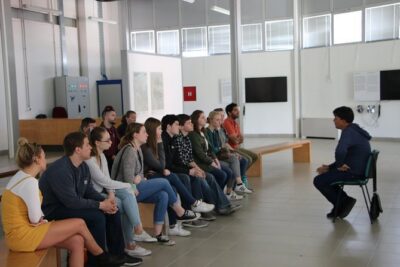
Sarajevo to Srebrenica: Genocide Study Tour with War Veteran
Read our review →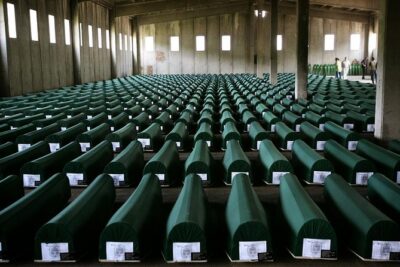
Understanding Srebrenica Genocide Tour + Lunch with Local Family Included
Read our review →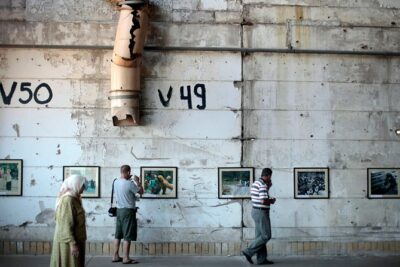
Understanding Srebrenica Genocide – Day tour from Sarajevo
Read our review →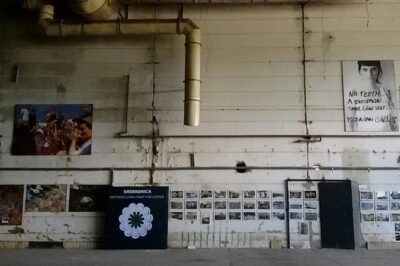
Understanding Srebrenica Genocide + Lunch With Local Family – Private Tour
Read our review →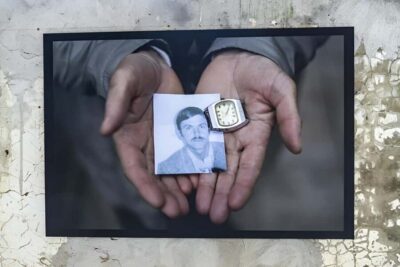
Understanding Srebrenica Genocide + Lunch with Local Family
Read our review →Browse the lists this tour appears in