
Reviewed · SIEGE OF SARAJEVO TOURS
Sarajevo: Srebrenica Genocide Study Tour with War Veteran
This is one of the most serious days you can take from Sarajevo, because you are learning the story of Srebrenica from a Bosnian War veteran who lived through the conflict. I like that the trip keeps a facts-first tone inside the museum and memorial, while still letting you ask real questions. I also like the small-group setup, limited to 8 people, which makes it easier to talk and get answers. One drawback to plan for, it is a long, emotionally heavy day, with a lot of walking through memorial spaces.
You start at 8 AM in the Sarajevo city center and head out about 2.5 hours each way through mountainous, quiet countryside. Along the drive, your guide connects what you see outside the window to what happened during the Yugoslav Wars, including the lead-in to Srebrenica. By the time you reach Potocari, you are not just looking at exhibits, you are hearing stories tied to specific places, including survival accounts and victim testimonies.
Why this Srebrenica study tour feels different from a standard day trip
This tour is built around firsthand testimony, not just history-book summaries. The live guide is a Bosnian War veteran, and English interpretation is part of the package. Names like Adis, Adnan, Senad, and Adnan show up repeatedly in past departures, and the common thread is how the day stays respectful and factual even when the content is painful.
What I’d call the core value here is how the tour links three layers of learning: the wartime context (what led to the disaster), the physical places where events unfolded (Potocari and the memorial complex), and the after-effects (the cemetery growth and the ongoing push for coexistence).
The day also has a practical rhythm. You get transport in an air-conditioned minivan or car, you spend real time at the memorial museum and Potocari cemetery, and you end back in Sarajevo by around 6 PM.
The small-group format, and why it matters at Potocari
This is limited to 8 participants, which changes the vibe in a good way. When you are standing in places tied to mass violence, you do not want a rushed group shuffle. A smaller group makes it more realistic to ask follow-ups, especially when your guide has personal experience.
It also helps with pace. Some stops include guided segments plus free time, and the day runs long enough that you need breathing room. That matters most at the Potocari Memorial complex, where the museum and memorial rooms can feel overwhelming.
Other accounts of the siege years:
- Fall of Yugoslavia, Sarajevo War Tour with Tunnel of Hope Museum and Frontlines
★ 5.0 · 1,314 reviews - Sarajevo: Tunnel Museum Yugoslavia War Tour with War Veteran
★ 5.0 · 1,111 reviews - Tunnel Museum: Bosnian & Yugoslav Wars Tour with War Veteran
★ 5.0 · 551 reviews
The drive from Sarajevo to Srebrenica, what you actually get on the way
The tour starts at 8 AM at the Info Bosnia Tourist Information Center on Ferhadija, right by Sarajevo Meeting of Cultures. If you’re staying outside the Old Town, hotel pick-up can be arranged. From there, you’re looking at about 2.5 hours to reach the Srebrenica area.
On the route, the day includes pass-by stops at Kravica and Bratunac. These are not the main destination stops, but they matter because your guide can point out areas connected to the conflict. In past experiences with these guides, the road explanations often include where fighting took place and where people were hiding. You also get history of Yugoslavia during the drive, so the genocide at Srebrenica lands with context, not just shock.
A quick reality check: the drive is long, and it is part of the learning. If you dislike long rides, plan your energy for a full-day commitment.
Potocari and the UN battery-factory site, where the story becomes physical
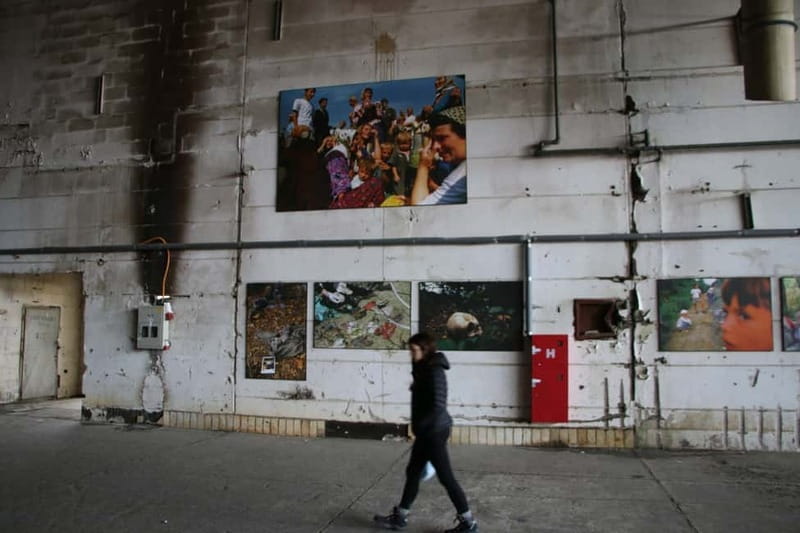
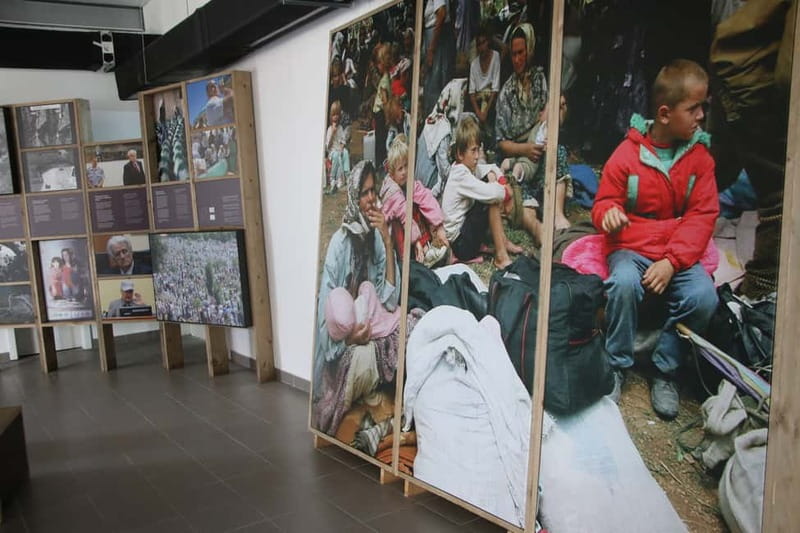
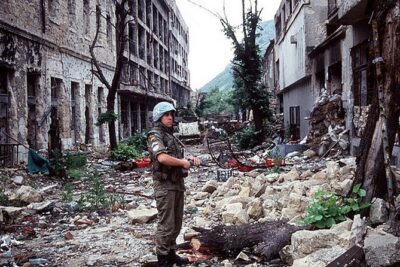
Your first major Potocari stop connects the wartime UN presence to what exists there now. The UN forces used a battery factory area as headquarters, including the Dutch battalion of UNPROFOR. Today, that former setting houses the Museum of Srebrenica Genocide, one of the most modern museums in Bosnia and Herzegovina.
You will meet the curator and get an on-the-ground sense of what people experienced in the enclave. The museum is not just a set of panels. It is designed around people, survival stories, and the sequence of what unfolded, which is why it tends to land so hard. One practical detail: there is also a film component mentioned in past visits, including a 30-minute video program within the center, so time can go by faster than you expect.
If you want the tour to work for you, arrive ready to listen, then take your time. Past groups have found that they wished they had longer free exploration inside the museum areas.
The Memorial room at Potocari, victim testimony and the role of perpetrators
From the museum, the next stop is the Memorial room. This is where the tour shifts from general history to personal accounts. Victim stories in this space were recorded by a local journalist, so you are not getting abstract explanations, you are hearing testimony shaped for remembrance.
A difficult, but important feature is that part of the Memorial room is dedicated to the people responsible for the massacre. That structure matters. It keeps the focus where it belongs, not on vague blame or “both sides” simplifications.
Expect the room to feel quiet and heavy. This is the part of the day where your guide’s tone matters. In past departures, veteran guides have been praised for handling the museum and memorial with facts and objectivity, while still making space for questions.
Other visits to Srebrenica, told plainly:
- From Sarajevo: Srebrenica Genocide Memorial Study Tour
★ 5.0 · 359 reviews - From Sarajevo: Srebrenica Genocide Memorial Study Tour
★ 5.0 · 242 reviews - Sarajevo to Srebrenica: Genocide Study Tour with War Veteran
★ 5.0 · 131 reviews - Understanding Srebrenica Genocide Tour + Lunch with Local Family Included
★ 5.0 · 123 reviews
Potocari Memorial cemetery, why the number grows
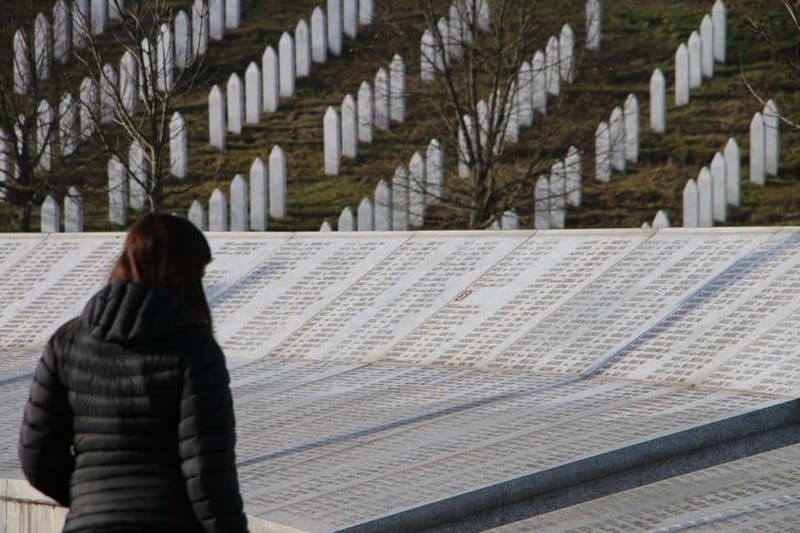
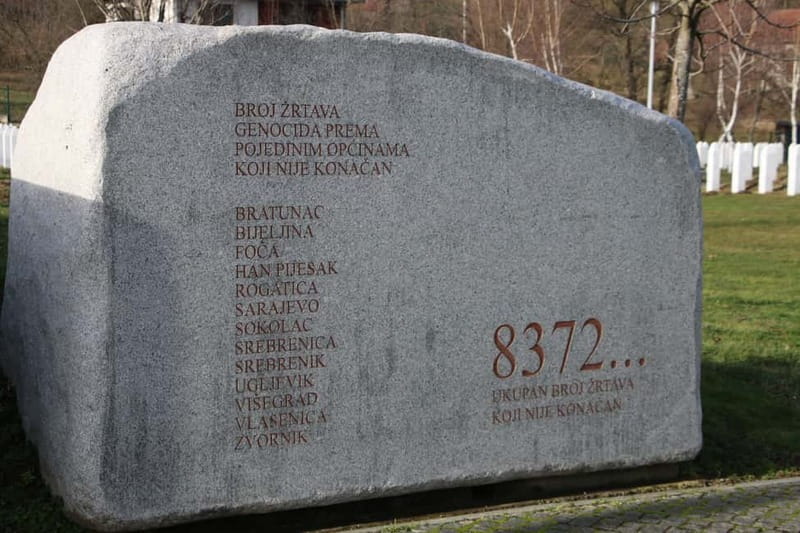
Next you visit the Memorial cemetery at Potocari. Here, victims identified over time rest in a dedicated cemetery complex. The current count given for the memorial cemetery is 6,575, and that number rises every year.
That detail is not just a statistic, it’s part of the point. It shows that remembrance is still in motion, tied to ongoing identification work and the long process of documenting what happened. If you are trying to understand how a community processes trauma decades later, this is where the “past” becomes very real.
There is also a somber walking element, so be prepared for time spent standing, reading, and reflecting.
Continuing to Srebrenica town, from industrial center to ghost city
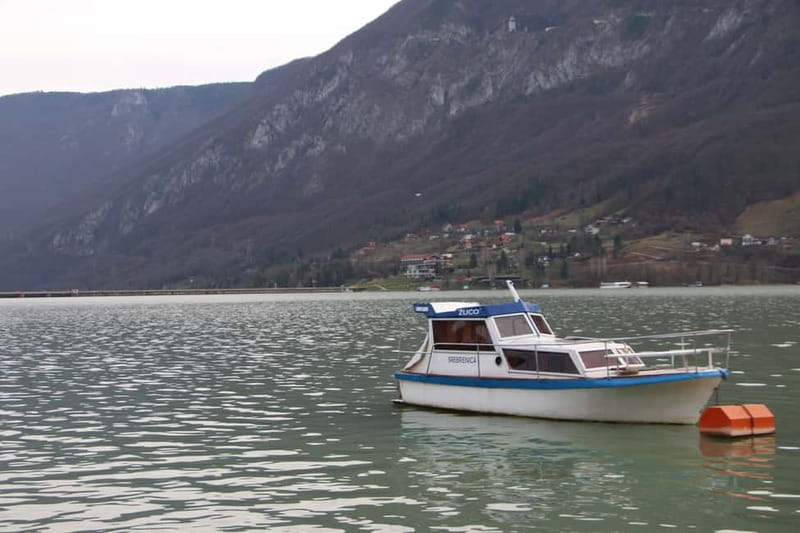
After Potocari, the tour continues to Srebrenica itself. The town is described as a former industrial leader and one of the oldest settlements of people, but now it is often referred to as a ghost city.
You get a photo stop plus a guided visit. In practice, your guide may also include a viewpoint over Srebrenica during the day, and you may get extra context for places you pass on the way into town. One nice part of the pacing is that you are not only in museum spaces. You come out into the town environment so the genocide is not the only frame you carry.
Srebrenica is also where lunch is handled. There are not a lot of restaurants nearby, so the tour planning builds around that reality.
Lunch, the sandwich break, and what you should plan for
Lunch is included as part of the tour, but it is not a full sit-down meal. You receive sandwiches with traditional Bosnian sausage. Vegetarian or vegan food is available if you request it beforehand.
Because lunch is practical rather than fancy, I see it as smart for a day like this. It keeps the schedule moving so you can get to the museum and memorial spaces without hunger distractions. You still want to be mentally ready for the content after lunch, not just physically.
Timing and pacing, getting back to Sarajevo by evening
The day runs about 10 hours total, starting at 8 AM and finishing around 6 PM. The tour includes transport back to Sarajevo, so you are not stuck managing a long return on your own.
Most of the “heavy lifting” happens in two blocks: Potocari museum and memorial spaces, then the Srebrenica town visit. Guides are often careful with pacing and may offer extra time inside areas when the group needs it. Past experiences also mention smooth driving and being attentive in wet conditions, which is worth caring about because you will be sitting for a long stretch.
Price value: what $80 buys, and why it is more than a bus ride
At $80 per person for a 10-hour small-group tour, the value is strongest in three places: the guide, the time at the memorial sites, and the included transport and food.
You are paying for:
- A war veteran guide leading in English
- Air-conditioned transport between Sarajevo and the Srebrenica area
- Museum and memorial visiting, with guided components at Potocari
- A sandwich lunch (with vegetarian or vegan available by request)
- A small-group cap of 8
What makes this feel like good value is that the guide is not a neutral storyteller reading from notes. This tour is built around lived experience and history explanations tied to the geography of the region. That kind of context cannot be replaced by a self-guided audio app.
If you only want light sightseeing, this price is irrelevant, because the day is not designed for casual tourism. But if you want to understand what happened and why, it is a fair setup for how much you cover in one day.
Who should book this tour, and who might reconsider
This tour is best for you if:
- You want a structured visit with guided explanation in English
- You care about understanding the Yugoslav Wars context leading into Srebrenica
- You are comfortable with a serious, emotionally heavy subject
- You like small-group days where questions are welcome
You might reconsider if:
- You know you struggle with genocide memorial content and want a lighter day
- You dislike long drives and long museum visits in a single day
- You want a mostly recreational itinerary, because this is remembrance-focused, not entertainment
Practical notes before you go (so the day feels easier)
A few small points can help the experience land well:
- Plan for a full day, with early departure and a late return.
- Expect walking and time in memorial spaces.
- If you need vegetarian or vegan meals, communicate your request in advance, since the included lunch is a sandwich.
- Wear something comfortable. You will spend time inside and outside at the memorial complex and cemetery areas.
Also, go in with a question mindset. Many guides do a great job answering follow-ups, and the veteran perspective is part of what makes the day memorable.
Should you book the Sarajevo to Srebrenica genocide study tour?
If you are visiting Sarajevo and want to understand Srebrenica in a way that is respectful, grounded, and guided by firsthand experience, I think this is a strong choice. The combination of Potocari museum in the former UN battery-factory setting, the Memorial room testimony, and the cemetery remembrance gives the day real structure. The small-group cap and experienced veteran guides make it easier to ask questions without feeling rushed.
But book it with clear expectations. This is a hard day. You are visiting sites of mass atrocity, and you should reserve the emotional energy to take it seriously.
FAQ
How long is the Sarajevo to Srebrenica study tour?
The tour lasts 10 hours.
Where do we start in Sarajevo?
The default start point is in front of the Info Bosnia Tourist Information Center on the main pedestrian street Ferhadija, next to Sarajevo Meeting of Cultures.
How far is Srebrenica from Sarajevo?
Srebrenica is about 2.5 hours from Sarajevo by road.
What are the main sites we visit?
You visit Potocari, including the Museum of Srebrenica Genocide in the UN-used battery factory area, the Memorial room, and the Potocari Memorial cemetery. Then you continue to Srebrenica for a guided visit and photo stop.
Is lunch included?
Yes. Lunch is included as sandwiches with traditional Bosnian sausage. Vegetarian or vegan options are available if requested.
Is there hotel pick-up and drop-off?
Yes. Hotel pick-up is available if you request it and if you stay outside the Old Town of Sarajevo. Hotel drop-off is included at the end of the tour.
How large is the group?
The tour is small group, limited to 8 participants.
Is the guide available in English?
Yes. The live tour guide provides the tour in English.
Does the tour include transport?
Yes. The tour includes transport by air-conditioned car or minivan.
What does skip the ticket line mean here?
The tour includes skipping the ticket line, so you spend less time waiting to enter sites.
Newest Sarajevo write-ups
- Sarajevo to Zagreb: One-Way Tour via Jajce, Travnik, Pliva Lake and Watermills★ 5.0 · 3 reviews
- Sarajevo E-Bike City Tour★ 5.0 · 3 reviews
- Mountain Village Lukomir Full Day Adventure Tour★ 5.0 · 3 reviews
- Bosnian Kingdom Capitals: Travnik & Jajce Tour from Sarajevo★ 5.0 · 3 reviews
- Strbacki Buk and Una Waterfalls: Day Trip from Sarajevo★ 5.0 · 3 reviews
- Sarajevo Old Town: Bosnian Coffee, Baklava & Panoramic Views★ 5.0 · 3 reviews
- Sarajevo Snowshoeing Adventure★ 5.0 · 3 reviews
- PRIVATE Sarajevo Under Siege War Tour★ 5.0 · 3 reviews
Siege of Sarajevo Tours, compared.
Fall of Yugoslavia, Sarajevo War Tour with Tunnel of Hope Museum and Frontlines
Read our review →
Tunnel Museum Yugoslavia War Tour with War Veteran
Read our review →
Tunnel Museum: Bosnian & Yugoslav Wars Tour with War Veteran
Read our review →
Sarajevo War Tour: A Veteran’s Story of the Siege (fees included)
Read our review →
Break-up of Yugoslavia & The War in Mostar: Life Under Siege
Read our review →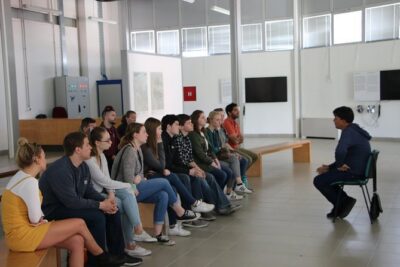
Sarajevo to Srebrenica: Genocide Study Tour with War Veteran
Read our review →Browse the lists this tour appears in