
Reviewed · SIEGE OF SARAJEVO TOURS
Sarajevo War Tour: A Veteran’s Story of the Siege (fees included)
Sarajevo’s Siege story hits differently when you hear it from a Sarajevo War veteran and then walk the city’s lines in the real places involved. I especially love the way this tour ties everyday survival to specific locations, and how the day is paced with major stops like Tunnel of Hope and Mt. Trebević. One thing to consider is that the subject matter is heavy, and you may also encounter some walking near viewpoints and tracks.
The format helps. You get pickup, an English-speaking guide, and a small group size (up to 8), so you can ask questions without feeling rushed. I also like that the museum admission fees are handled for you, which keeps this from turning into a last-minute budgeting headache.
Key things to know before you go
- A veteran guide leads the whole day, and you’ll have time for questions, even personal ones
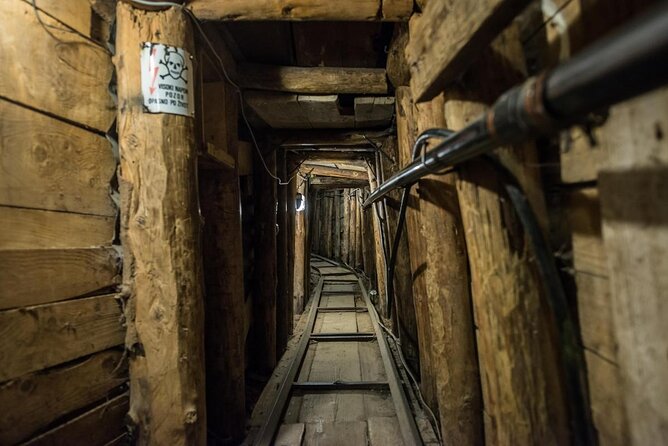
- Tunnel of Hope is included, and you actually go through the tunnel, not just watch a film
- Sniper Alley and the 1984 Winter Olympics sites connect the war to places you can still see today
- Trebević Mountain stops show war damage that hasn’t been fully restored
- Small group size (max 8) makes the experience feel more like a serious conversation than a bus ride
- Bobsleigh, luge track, and graffiti add an unexpected layer of life to an otherwise grim route
A veteran-led Sarajevo Siege tour where the places explain the story
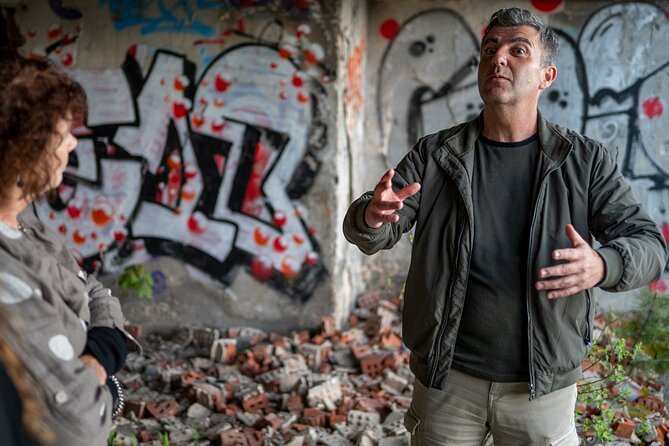
What makes this experience stand out is simple: you’re not learning about the Siege of Sarajevo as an abstract timeline. You’re doing it by moving from site to site while a veteran guide connects the dots in plain language. Some guides you might meet have names like Enes, Mustafa, Adnan, Edo, Omer, or Ibrahim, and the common thread is that they talk as people who lived it, not just people who studied it.
That changes how you interpret everything you see. A sniper-nest area, a market, a memorial, a tunnel, a bunker, a viewpoint. These are not just “stops.” They become clues to how the city functioned under pressure: what people could reach, what they couldn’t, and what it felt like to try anyway.
The small group size (maximum 8) also matters more than you might think. It makes it easier to ask follow-up questions and get answers that stay grounded in the speaker’s perspective. In several accounts, guides also use humor and warmth to keep the tone human, without turning the day into something light.
Other accounts of the siege years:
- Fall of Yugoslavia, Sarajevo War Tour with Tunnel of Hope Museum and Frontlines
★ 5.0 · 1,314 reviews - Sarajevo: Tunnel Museum Yugoslavia War Tour with War Veteran
★ 5.0 · 1,111 reviews - Tunnel Museum: Bosnian & Yugoslav Wars Tour with War Veteran
★ 5.0 · 551 reviews
Price and logistics for a 4-hour, English-language route
At $48.39 per person for about 4 hours, this is value-rich when you look at what’s included. You get pickup and drop-off, an air-conditioned vehicle, a mobile ticket, and the key admission fee for the War Tunnel Museum (Tunnel of Hope) is included in the price.
You also save time. Sarajevo has sites spread around town and hills, and the tour handles the driving so you can focus on the experience. Since it’s offered in English and guided by a Sarajevo War veteran, you don’t have to “piece together” context from signage.
A practical note: walking is described as low overall, but it’s still a walking tour of sorts. One visitor with limited mobility mentioned that reaching the bobsleigh track involved a long walk from the car park. If you have mobility limits, tell your operator up front. You may be able to work out a more comfortable plan for how you reach the track area.
First impressions at Funky Tours, then straight into the story
The day starts at Funky Tours (Besarina čikma 5) or with a pickup from your preferred location. This is one of those setups that makes arriving easier because you’re not trying to navigate the city and then locate a meeting point after your first coffee.
From the start, the veteran guide frames what you’re about to see with the breakup of Yugoslavia and the Siege of Sarajevo. The idea is to give you enough context that the hard sites make sense, even when you’re still adjusting to what you’re seeing.
You’ll also likely notice the tour’s tone: questions are expected, not discouraged. Guides are reported as professional and thoughtful about personal topics, so come prepared with curiosity rather than a “textbook only” mindset.
Markale Markets and the memorial for 1,601 children
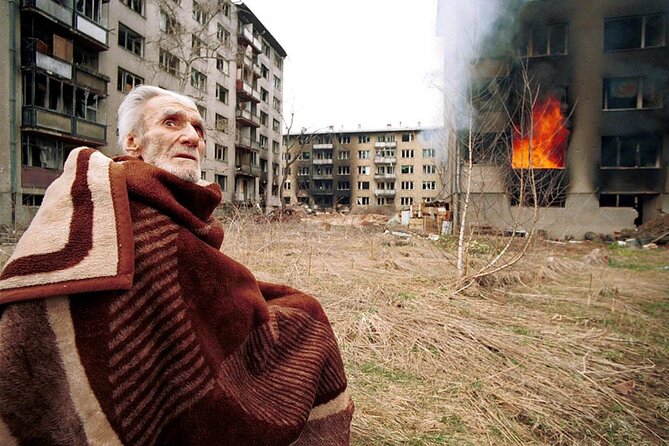
Before you reach the famous “frontline” labels like Sniper Alley, the tour moves you through the human scale of the Siege. You pass Markale Markets, described as the largest massacre site in Sarajevo during 1992 to 1995. You also pass a memorial dedicated to 1,601 children murdered in Sarajevo during the same period.
These stops are brief, but they do important work. They prevent the day from becoming only military geography and museum facts. You’re reminded that the Siege wasn’t only about strategy. It was about civilian life, and that civilian life included young children.
Even if you only view these areas from the street, it changes the way you process later scenes like the tunnel and the sniper areas. The war stops sounding like a distant event and starts sounding like something that rearranged ordinary days.
More around Sarajevo to weigh up
- Sarajevo: Mostar, Konjic, Blagaj Tekke, Pocitelj & Waterfall
★ 4.9 · 1,666 reviews - Sarajevo: Grand Walking Tour Through Time and Cultures
★ 4.8 · 1,236 reviews - Sarajevo: Mostar, Konjic, Sufi House, Pocitelj & Kravice Falls
★ 5.0 · 1,179 reviews - ROSES OF SARAJEVO (Official WAR + CITY tour)- Story of a Survivor
★ 5.0 · 770 reviews
Sniper Alley and the Sarajevo Olympic Hotel Holiday connection
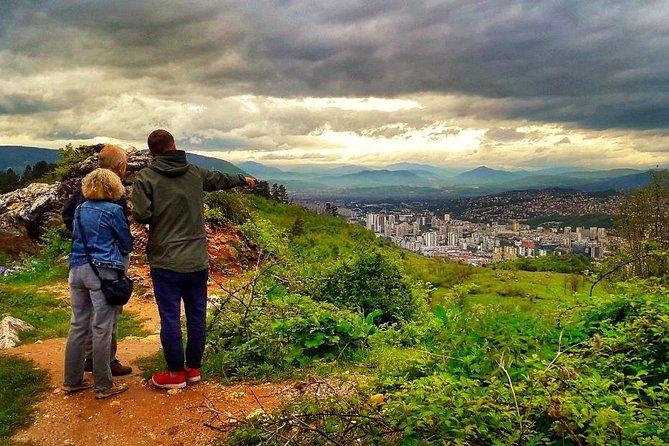
Next, you’ll head toward Sniper Alley, including the Marijin Dvor area and the ex Hotel Holiday, now listed as Hotel Holiday. In Sarajevo, this area carried a notorious reputation during the Siege, and the tour’s approach is to show you the war’s “danger zones” as they exist in real neighborhoods.
Hotel Holiday adds a sharp contrast. The building was created for the Sarajevo 1984 Winter Olympics. During the Siege, it served as housing for foreign journalists and reporters covering what was happening in Bosnia and Sarajevo. So you’re standing in a place linked to global attention at the exact time the city was under extreme pressure.
This stop is about perception. Today, the area looks like part of the city, not a war museum. But that’s the point: the Siege unfolded in the middle of daily life, in buildings and streets you would otherwise walk past without a second thought.
Walking through the Tunnel of Hope: the “blood vessel” that mattered
The heart of the tour is the War Tunnel Museum, Tunnel of Hope. This is where you spend the most time, about 1 hour 30 minutes, and the admission fee is included.
You’ll typically start with a short movie, then move into the tunnel itself. Going through the tunnel matters because it gives your body a sense of the constraints people faced. The tunnel wasn’t a dramatic Hollywood set. It was a functional passage, built to keep a heavily besieged city alive when normal routes were cut.
Inside the museum portion, you also get exhibits connected to the Siege. The veteran guide uses the tunnel as a bridge to broader discussion, including how the war escalated in the Balkans and how different political narratives shaped support for conflict. The goal is not to force a single interpretation, but to help you understand how people explained what was happening to them and why they believed it.
This stop also tends to be the most meaningful for many visitors. In multiple accounts, Tunnel of Hope is described as moving and powerful, especially when guided by someone who lived it and can answer questions directly instead of pointing to general text panels.
Trebević Mountain: war damage you can still see
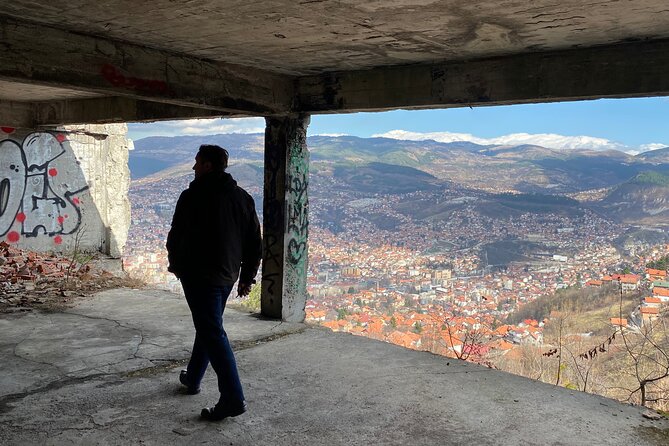
After the tunnel, you head toward Mt. Trebević, one of the most telling places to understand the Siege’s geography. By a large stretch of its length, Trebević was described as a first line during the Siege, with battlefields and military positions across the slopes.
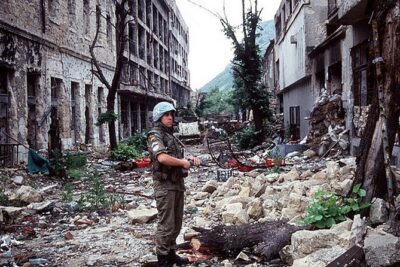
At the site, you’ll have the chance to see where destruction appeared in areas like Zlatište, Osmice, Trebević Vidikovac, and other damaged facilities. You may also see remains of bunkers, minefields, traces left by military tank caterpillars, and features like trenches, bullets, and grenade shrapnels.
A key detail here is what’s missing. Some areas haven’t yet been repaired or restored, so you’re not only looking at a “reconstructed” battlefield. You’re looking at a place that still carries war evidence in its present shape. That can be unsettling, but it’s also one of the most honest ways to grasp how long the Siege’s impact lasts.
You also get views over Sarajevo from higher ground. That combination, the “you can see the city” perspective with the visible damage, helps your brain map the conflict in a way photos alone rarely do.
Trebević Vidikovac viewpoint: how advantage played out
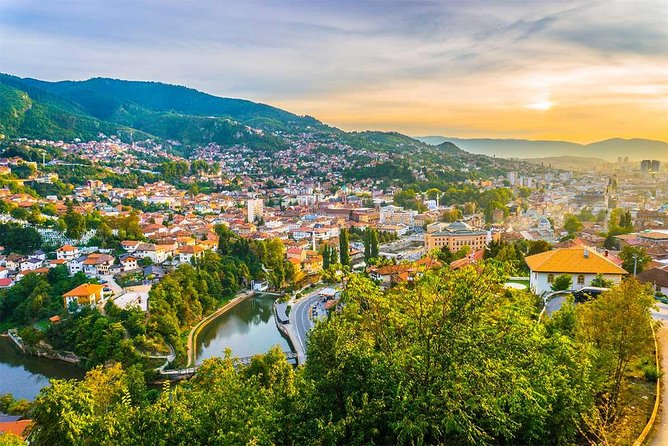
Next comes Trebević Vidikovac, described as one of the most beautiful viewpoints above Sarajevo. During the Siege, this location is connected to the Army of the Republic of Srpska position.
Standing there, you can understand why control of viewpoints mattered so much. It’s one thing to hear that certain areas were strategic. It’s another to look down and feel how a “game of control” played out across distance.
This stop is short, around 20 minutes, so you’ll want to stay alert and ask questions while you’re up there. If you’re the type who likes context while you view, this is one of the best moments to ask how the lines worked from this height.
The Olympic bobsleigh and luge track, now a graffiti wall of memory
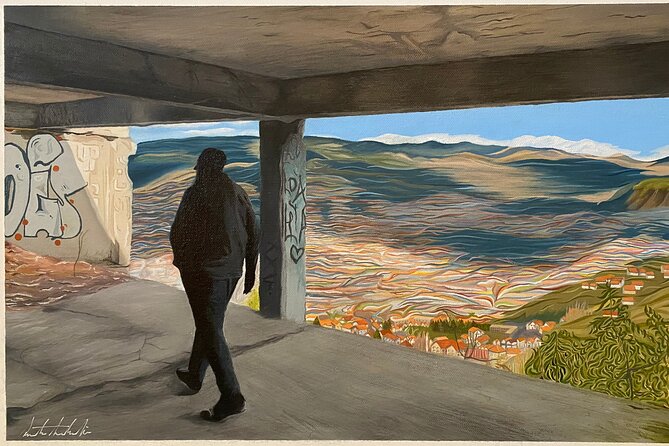
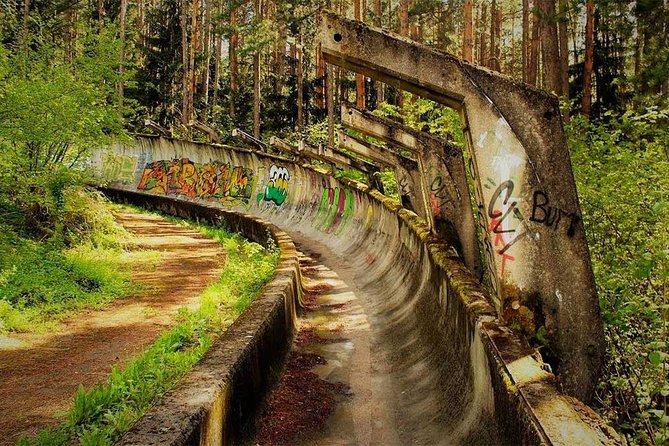
Then you move to the Sarajevo Olympic Bobsleigh and Luge Track, built for the 1984 Winter Olympics. It’s described as having brutalist architecture, and the tour uses the site to talk about how the Olympics venue became part of the front line.
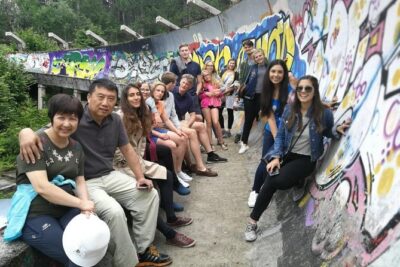
Today, the track is also known for something much more human. It appears on lists of some of the most beautiful abandoned places, and it holds graffiti by artists from around the world. That creates a strange emotional mix. The place looks like it has been claimed by time, art, and attention rather than only by war history.
Also, this stop can involve a bit of walking from the area where you’re dropped off. One visitor with limited mobility reported that the guide left them at a hotel nearby for coffee while the rest of the group explored the track. That’s not stated as a universal rule, but it tells you that the guide team may be willing to adjust when you explain your needs.
Jewish Cemetery Sarajevo: a historic site that became a sniper nest
On the return to the city, the tour ends at the Jewish Cemetery Sarajevo. This cemetery is known for historical importance and is described as one of the largest Jewish cemeteries in Europe.
During the Siege, it also served as a frontline area and a sniper nest of the Republic of Srpska army. That pairing of long-term cultural history with Siege-era use makes this stop especially sensitive and worth handling quietly. It’s a reminder that war does not respect sacred boundaries or heritage.
The tour wraps up around here and then drops you back at your chosen location in Sarajevo.
What you should do to get the most from the day
If you want this tour to land well, show up ready to ask questions and ready to feel uncomfortable at times. This isn’t a “check the boxes” kind of outing. The value comes from the guide’s ability to answer your questions in the moment.
A few practical tips I’d use if I were going:
- Wear comfortable shoes and expect some walking, even if it’s listed as low
- Bring a light layer, because the mountain viewpoint area can feel different from the city streets
- Plan for a food gap. Food and drinks are not included, so eat before or plan something after
- Be respectful with photos at memorial and cemetery stops, and follow your guide’s lead
If you want to focus on the Siege’s human story, keep your questions anchored to daily life: how people moved, how families coped, and what the city sounded and looked like under pressure. You’re likely to get the kind of answers that help the whole route click.
Should you book this Sarajevo War Tour?
I’d book this tour if you want more than museum panels and map markers. You’re paying for a guided day built around Tunnel of Hope, Sniper Alley areas, Trebević viewpoints, and other frontline locations, and the tour includes the tunnel admission plus pickup and drop-off.
It’s also a good choice if you like small groups and real conversation. Multiple accounts praise the guides for being professional, open, and willing to share personal stories while still giving you space to ask questions. If you end up with a guide like Adnan, Mustafa, Enes, or Edo, the day can feel like getting history from someone who also wants you to understand it properly.
I’d think twice if you know this topic will overwhelm you, or if you need fully minimal walking, because some segments can involve uneven ground near viewpoints and the bobsleigh track. Also, one account noted the day felt different from the full list of stops, so keep expectations flexible if weather or logistics shift what you see.
If you can handle heavy themes and you want the Siege explained by a veteran in the actual places where it happened, this is a strong value at $48.39 for a half-day with key admissions handled.
Newest Sarajevo write-ups
- Sarajevo to Zagreb: One-Way Tour via Jajce, Travnik, Pliva Lake and Watermills★ 5.0 · 3 reviews
- Mountain Village Lukomir Full Day Adventure Tour★ 5.0 · 3 reviews
- Sarajevo E-Bike City Tour★ 5.0 · 3 reviews
- Bosnian Kingdom Capitals: Travnik & Jajce Tour from Sarajevo★ 5.0 · 3 reviews
- Strbacki Buk and Una Waterfalls: Day Trip from Sarajevo★ 5.0 · 3 reviews
- Sarajevo Snowshoeing Adventure★ 5.0 · 3 reviews
- Sarajevo Old Town: Bosnian Coffee, Baklava & Panoramic Views★ 5.0 · 3 reviews
- 4 Hours Tara Rafting Trip★ 5.0 · 3 reviews
Siege of Sarajevo Tours, compared.
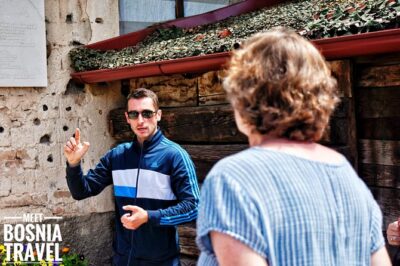
Fall of Yugoslavia, Sarajevo War Tour with Tunnel of Hope Museum and Frontlines
Read our review →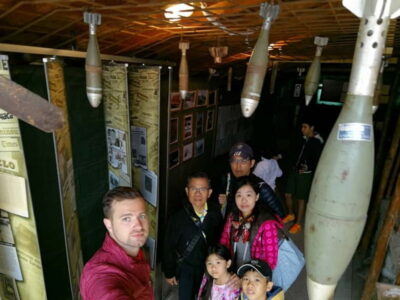
Tunnel Museum Yugoslavia War Tour with War Veteran
Read our review →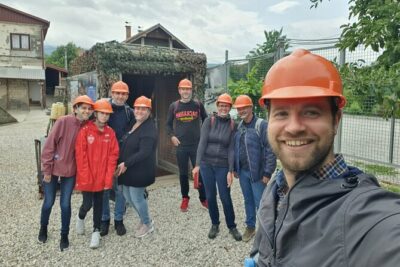
Tunnel Museum: Bosnian & Yugoslav Wars Tour with War Veteran
Read our review →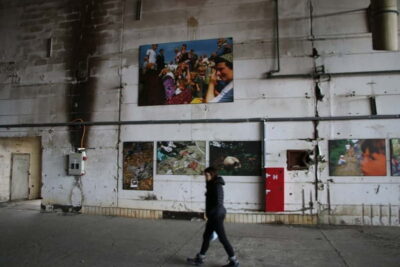
Srebrenica Genocide Study Tour with War Veteran
Read our review →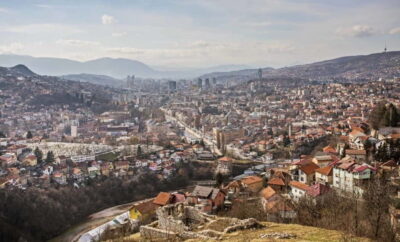
Break-up of Yugoslavia & The War in Mostar: Life Under Siege
Read our review →
Sarajevo to Srebrenica: Genocide Study Tour with War Veteran
Read our review →Browse the lists this tour appears in