
Reviewed · SIEGE OF SARAJEVO TOURS
Sarajevo: A Siege Story – The Tunnel of Hope Experience
Sarajevo: A Siege Story is interesting because it turns the Siege of Sarajevo into scenes you can actually picture, from frontline streets to the underground lifeline. You’ll see how people kept living, treating, delivering, and surviving when normal life stopped.
I especially like the way the tour builds perspective with Yellow Fortress panoramas, then uses the city itself to explain why places mattered. I also love the ending at the Tunnel of Hope Museum, because you get more than photos, you get a physical sense of what survival required.
One consideration: the Tunnel of Hope visit you can experience is limited to the section that is accessible today, and the ride between stops means you will spend a good chunk of time in the van.
Key moments worth your attention
- Yellow Fortress hill views that set the geography of the siege in minutes
- Sniper Alley driving pass that shows how one street became a daily threat
- Sarajevo Maternity Hospital stories focused on lifesaving work under chaos
- Olympic Stadium area stops connecting wartime Sarajevo with its global image
- Tunnel of Hope Museum walk through a short, carefully preserved lifeline passage
- Guides with lived experience, with names like Naida, Nermin, Dino, and Mohamed showing up in strong firsthand stories
Sarajevo siege history, told with street-level clarity
I’ve learned that siege stories can either stay abstract or get real fast. This one pushes toward real by using Sarajevo’s actual landmarks and forcing you to think about distance, visibility, and supply lines.
You start high and wide at a fortified viewpoint, then you move down into neighborhoods and along the kind of street that is hard to imagine until you see the layout. Even when you’re sitting in the van, the guide keeps tying what you’re seeing to what it meant for daily survival.
The group setup matters here. This tour runs with licensed guides, and it’s offered in private or small-group formats, which usually helps with questions and pace. The most consistently praised element in the experience is the guide, including people like Naida and Nermin, who bring personal understanding of what happened and how life worked.
Other accounts of the siege years:
- Fall of Yugoslavia, Sarajevo War Tour with Tunnel of Hope Museum and Frontlines
★ 5.0 · 1,314 reviews - Sarajevo: Tunnel Museum Yugoslavia War Tour with War Veteran
★ 5.0 · 1,111 reviews - Tunnel Museum: Bosnian & Yugoslav Wars Tour with War Veteran
★ 5.0 · 551 reviews
Yellow Bastion at the start, why the view is not just pretty
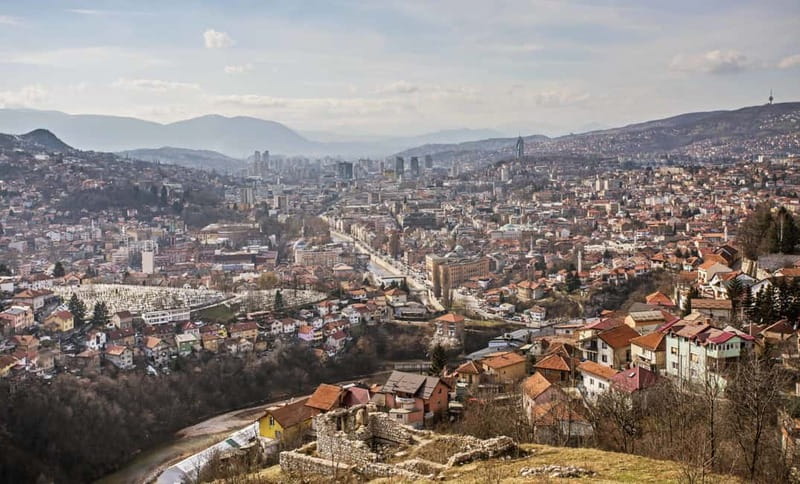
The first stop is the Yellow Bastion area, also referred to as the Yellow Fortress in the experience description. You’ll get a photo stop and guided orientation, and the payoff is the panoramic look over Sarajevo.
That view isn’t a throwaway. It gives you the geography you need for everything that follows, because the siege was not only about attacks, it was about being seen, being targeted, and being cut off. Once you understand the city’s shape from above, the later mentions of sniper fire and artillery from surrounding positions make more sense.
You’ll also notice the tour doesn’t rush this part. The style described by many guides is patient, with enough time to connect history to what you can actually spot on the map in front of you. If you like context, this opener is a smart way to start.
Sniper Alley from the van, how Sarajevo’s hardest street gets explained
Next comes Sniper Alley, one of the most discussed wartime streets in Sarajevo. You drive through it so you can get the sense of the street and where attacks were directed, without pretending that seeing a road equals understanding the fear.
This is one of the stops where the guide truly changes the experience. In past groups, guides like Nermin are described as having been involved during the siege, and that lived perspective tends to make the explanation feel grounded rather than scripted. You get details on why this street became a target and what it meant for people who had to move through it.
A practical note for your comfort: sitting in the van is part of the plan here, so bring a phone camera if you like, but also bring patience. You might only get brief visuals at each spot, and that can feel like bus time if you prefer long walking tours.
The Olympic Stadium and Hall Zetra areas, when Sarajevo had a different future
Between wartime scenes, you pass the Olympic Stadium area and Hall Zetra. These stops matter because Sarajevo was more than a siege map. It had an international identity, sports infrastructure, and a moment of global attention before the war shattered daily routines.
This section helps you avoid a common trap in conflict travel, the tendency to treat a city only as a tragedy. Even if you’re there for the Siege of Sarajevo, you’ll benefit from seeing that the same streets and facilities once belonged to a normal, future-looking world.
Time here is short, with brief sightseeing and passing stops. If Olympic history is your main interest, you might wish the tour lingered more, but that’s also what keeps the overall experience moving toward the emotional center at the Tunnel of Hope.
Other visits to the tunnel museum:
- Sarajevo: Tunnel of Hope Tour – Survival and Resilience
★ 4.8 · 630 reviews - Sarajevo: Bosnian War & Fall of Yugoslavia Tour with Tunnel
★ 4.9 · 398 reviews - Tunnel of Hope Tour – Survival and Resilience
★ 5.0 · 118 reviews - Sarajevo: Guided City Highlights Tour with Sarajevo Tunnel
★ 4.8 · 79 reviews
Driving through neighborhoods like Grbavica, why the tour uses passing stops
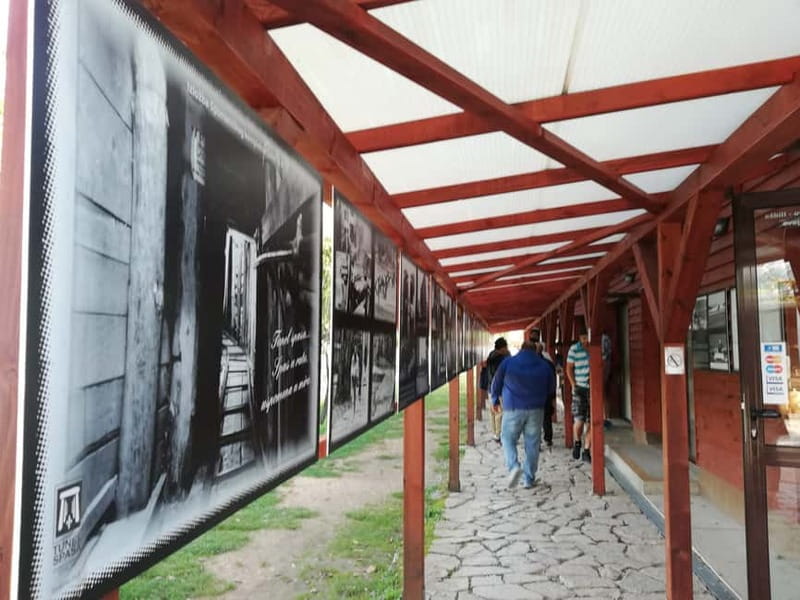
You’ll pass areas including Grbavica and additional landmarks connected to the wider wartime story. These aren’t the kind of stops where you expect a long museum visit. Instead, the goal is to connect locations on the ground with the siege timeline and the way conflict shaped movement around the city.
Passing by also helps you see how Sarajevo works as a modern city, even when it carries wartime memory everywhere. It’s a reminder that scars are not only in monuments, they’re in everyday streets and districts.
If you’re the type who likes to slow down and read every plaque, you may wish for more time at each neighborhood. That said, the structure keeps the pace manageable and makes room for the two heavy hitters: the hospital stories and the tunnel.
Sarajevo Maternity Hospital, the lifesaving work behind the chaos
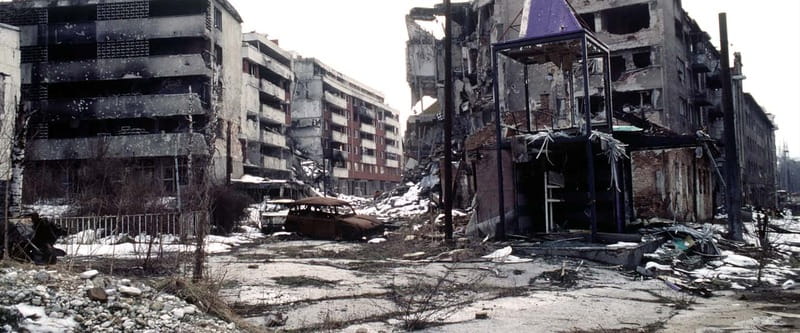
One of the most powerful parts of the experience is the Sarajevo Maternity Hospital stop. Here the focus shifts from strategy and geography toward what happened when people were injured, trapped, and forced to make do with limited resources.
The core idea you’ll hear is simple and moving: medical staff saved lives while the city endured constant danger. You’ll get stories that highlight medical courage, not just military danger, and that changes the emotional weight of the tour.
This is where a good guide earns their fee. In the strong feedback about the tour, guides are praised for pacing explanations and for answering questions clearly. When you’re hearing about childbirth, trauma care, and emergency procedures under siege conditions, clarity matters. You want details, but you also need respect for the subject.
I recommend taking a moment here to absorb the human side before rushing toward the final museum stop. If you jump ahead too fast, the story can feel like a series of dramatic sights instead of a coherent picture of survival.
The National Museum of Bosnia and Herzegovina area, context without the detour
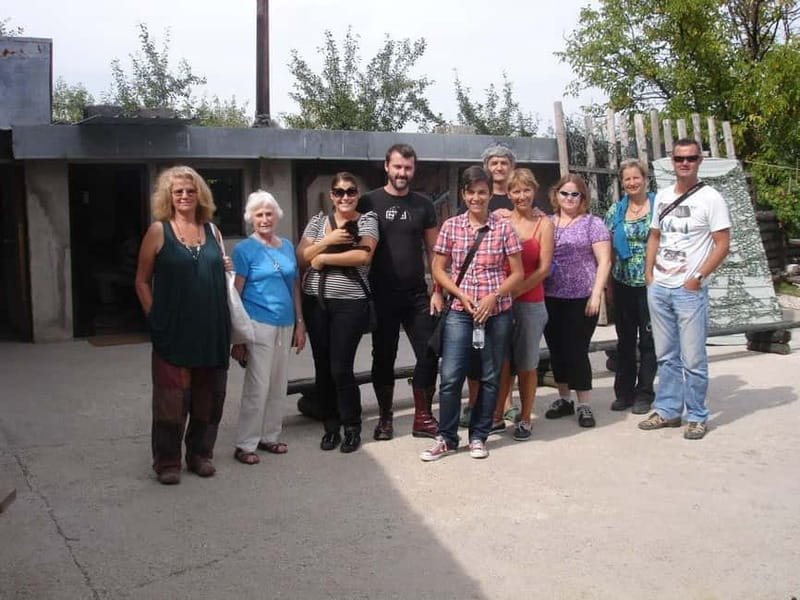
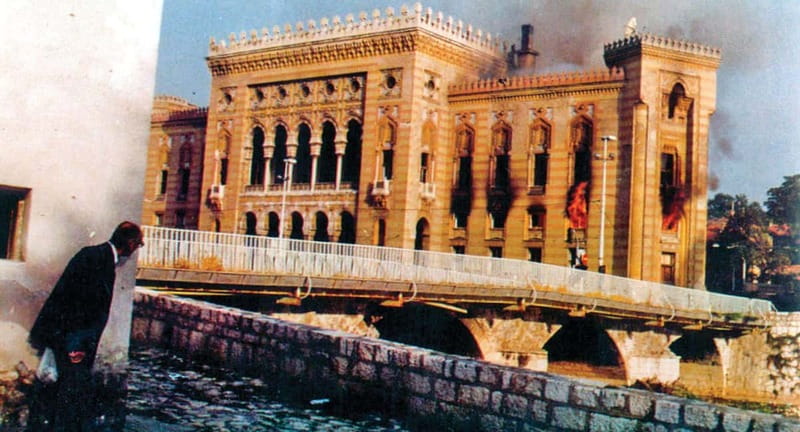
You pass by major museum spaces such as the National Museum of Bosnia and Herzegovina and the History Museum of Bosnia and Herzegovina area. The tour keeps these as context points rather than full museum time.
That’s useful if your goal is the siege narrative and the tunnel, because you do not end up spending half your day in indoor exhibits unrelated to your main theme. It also keeps the emotional arc focused: fortified viewpoints to targeted streets to lifesaving stories to the lifeline.
If you’re a museum person who wants extensive reading, you might still add time elsewhere in Sarajevo on a separate day. For this tour, the best use of your energy is saving it for the Tunnel of Hope moment.
Tunnel of Hope Museum, what you’ll see and what you should expect
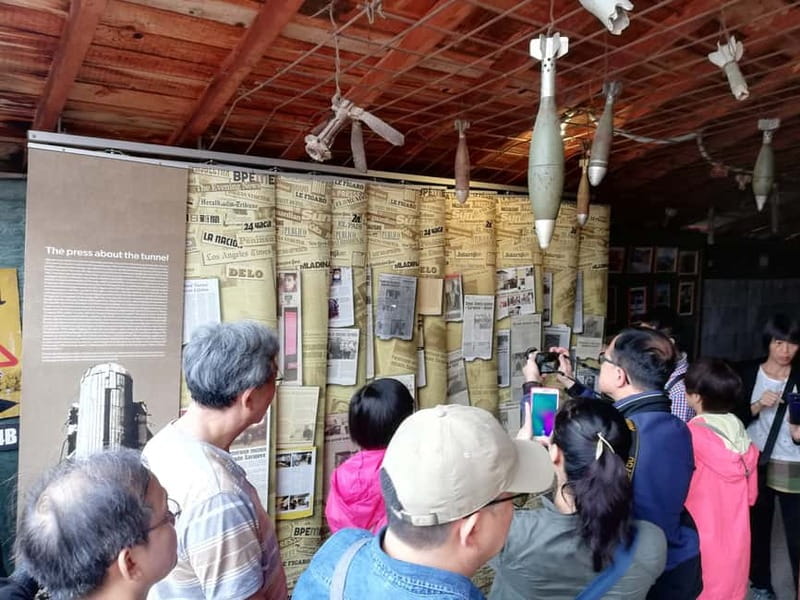
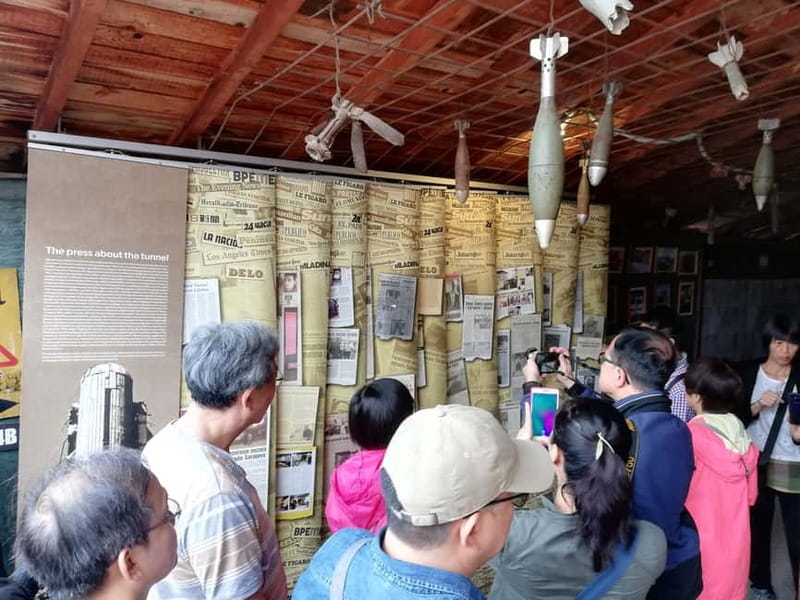
The climax is the Tunnel of Hope Museum. This is the lifeline passage that helped Sarajevo stay connected during the siege, and it symbolized ingenuity under extreme pressure.
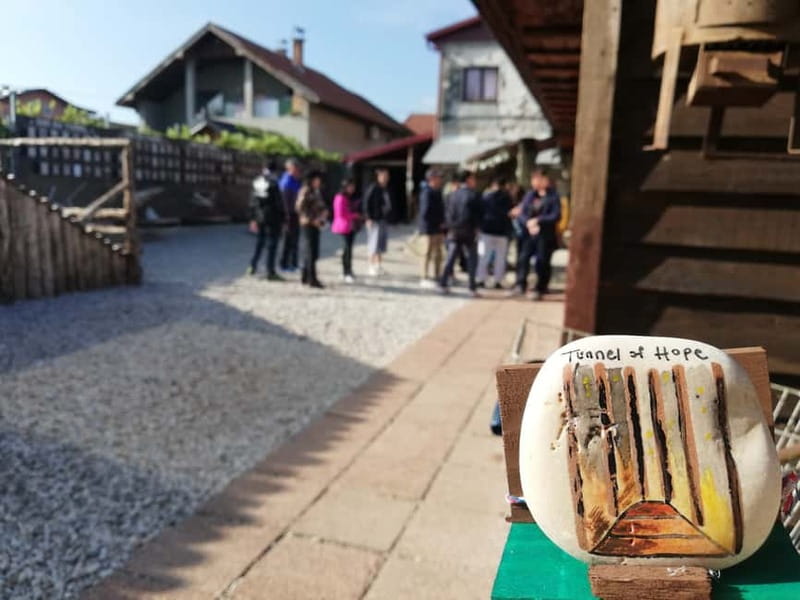
You’ll stop for a photo opportunity, then there’s a guided visit and a walk through an accessible section. The accessible section is short, and you should set expectations accordingly. One comment from a previous visitor style of feedback noted that the original tunnel is closed beyond the section available to visitors, and the accessible part feels different from the full original experience.
That limitation is not a deal breaker, but it matters. When you walk a short stretch, you’re not meant to imagine you are walking the entire supply route. You’re meant to feel the scale of what mattered and understand why a passage like this could change whether the city could keep going.
I also like how the guide ties the tunnel to broader implications, including the fall of Yugoslavia and the way political changes translated into real pressure on Sarajevo’s residents. It helps you connect local survival to regional history without drowning in academic detail.
Timing, comfort, and why 210 minutes feels both full and manageable
The tour runs about 210 minutes, so roughly three and a half hours. That’s a comfortable length for a heavy subject, because it lets you see multiple sites without turning the day into a marathon.
Most of the movement between stops happens by modern transportation. You’ll have several short segments, plus the tunnel visit walk. The biggest comfort requirement is basic: comfortable shoes and comfortable clothes, since the walk through the museum portion still counts as real walking time.
Because the tour is not built for wheelchair users, you should plan around steps and uneven areas you might encounter at viewpoints and museum spaces. Also, note the rules: no pets and no backpacks. That’s the kind of detail that matters, because you don’t want to arrive and then deal with storage at the last minute.
Value at about $31, plus one key entrance fee to plan for
At $31 per person, the tour price is mostly about interpretation and guiding, plus modern transportation. You’re paying for the licensed guide, the structure, and the way the stops connect into a coherent siege story.
There is one cost to budget separately: the Tunnel of Hope Museum entrance fee is 20 BAM (10.50€) per adult, and 8 BAM (4.50€) per student. The museum fee is not included, so check your total before you decide. Still, even with that add-on, the experience tends to feel worth it because the final stop is the one with the most physical meaning.
In plain terms, if you care about Sarajevo’s siege story and you want someone to connect geography, buildings, and lived accounts, the pricing is fair. If you mainly want to see a couple of photos from the van, you may not feel the value in the same way.
What makes the guides so important here, and how you can use it
This experience lives or dies on the guide. The strongest feedback highlights guides who are patient, kind, and willing to explain slowly, plus people who bring personal memories from the siege.
Names that show up in high praise include Naida, Nermin, Dino, and Mohamed. Some guides are described as having served during the siege or using the tunnel during that period. You cannot assume every guide has the exact same background, but the consistent theme is that the explanation is personal and grounded.
You can get more out of the tour by asking targeted questions, especially after the viewpoint stop. For example, ask how the geography affected sniper threats, or how supplies moved through the tunnel in practical terms. If you get those answers, the rest of the route will click.
Also, take advantage of the fact that the guides speak multiple languages, including English, Croatian, German, Italian, Spanish, and French. That matters when you’re discussing medical and wartime details, since nuance can be lost if language is shaky.
Who this Sarajevo siege tour is best for
I think this tour works best if you want a guided Sarajevo experience with a clear theme. It’s ideal for history-minded visitors who also care about human stories, especially the medical side and the everyday survival angle.
It’s also a strong choice if you like short stops with explanations rather than a full day of walking. The route is built around a mix of viewpoints, drives, and one meaningful walk at the tunnel.
If you want a lighter, purely scenic city tour, this is not that. The subject is intense, and the experience leans emotional on purpose.
If you are traveling as a couple or in a small group, you can often benefit from the more flexible pacing. The tour is available in private or small groups, which tends to help when you have questions or when you want the guide to slow down on your interests.
Should you book Sarajevo: A Siege Story?
Book it if you want Sarajevo’s Siege of Sarajevo story with strong on-the-ground interpretation, not just a list of landmarks. The combination of Yellow Fortress views, a Sniper Alley pass, Sarajevo Maternity Hospital stories, and the physical feeling of the Tunnel of Hope Museum is a practical way to understand what happened and why it mattered.
Skip it or choose carefully if you dislike tours that spend a lot of time in the van. Also, set expectations for the tunnel part, since the accessible walk is limited to what visitors can enter today.
If you’re okay with emotionally heavy history and you want a guide who can connect the dots on geography, daily life, and survival, this is a smart booking.
FAQ
How long is the Sarajevo siege tour experience?
The duration is 210 minutes, about 3.5 hours.
What does it cost, and is the Tunnel of Hope entrance fee included?
The price is $31 per person. The Tunnel of Hope Museum entrance fee is not included, and it costs 20 BAM per adult (10.50€) or 8 BAM per student (4.50€).
Where do I meet the tour?
You meet at Insid er Agency, 30 Zelenih beretki Street.
What languages is the live guide available in?
The live tour guide is available in English, Croatian, German, Italian, Spanish, and French.
What should I bring and what is not allowed?
Bring comfortable shoes and comfortable clothes. Pets and backpacks are not allowed.
Is it suitable for wheelchair users?
No, it is not suitable for wheelchair users.
Newest Sarajevo write-ups
- Sarajevo to Zagreb: One-Way Tour via Jajce, Travnik, Pliva Lake and Watermills★ 5.0 · 3 reviews
- Sarajevo E-Bike City Tour★ 5.0 · 3 reviews
- Mountain Village Lukomir Full Day Adventure Tour★ 5.0 · 3 reviews
- Bosnian Kingdom Capitals: Travnik & Jajce Tour from Sarajevo★ 5.0 · 3 reviews
- Strbacki Buk and Una Waterfalls: Day Trip from Sarajevo★ 5.0 · 3 reviews
- Sarajevo Snowshoeing Adventure★ 5.0 · 3 reviews
- Sarajevo Old Town: Bosnian Coffee, Baklava & Panoramic Views★ 5.0 · 3 reviews
- 4 Hours Tara Rafting Trip★ 5.0 · 3 reviews
Siege of Sarajevo Tours, compared.
Fall of Yugoslavia, Sarajevo War Tour with Tunnel of Hope Museum and Frontlines
Read our review →
Tunnel Museum Yugoslavia War Tour with War Veteran
Read our review →
Tunnel Museum: Bosnian & Yugoslav Wars Tour with War Veteran
Read our review →
Sarajevo War Tour: A Veteran’s Story of the Siege (fees included)
Read our review →
Srebrenica Genocide Study Tour with War Veteran
Read our review →
Break-up of Yugoslavia & The War in Mostar: Life Under Siege
Read our review →
Sarajevo to Srebrenica: Genocide Study Tour with War Veteran
Read our review →Browse the lists this tour appears in