
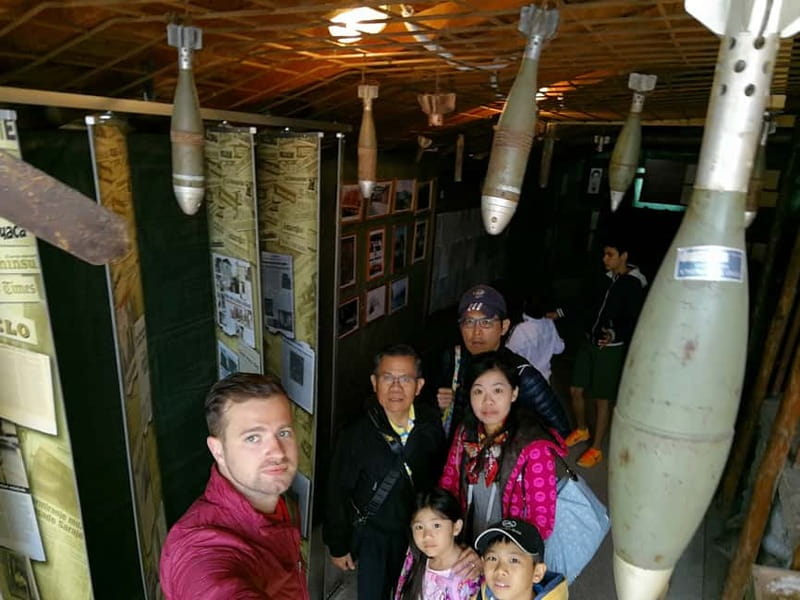
Reviewed · YUGOSLAV HISTORY TOURS
Sarajevo: Tunnel Museum Yugoslavia War Tour with War Veteran
Sarajevo can be hard to understand from photos. This tour is interesting because it links the famous Tunnel of Hope to the real siege geography around the city, told by a war veteran or survivor guide. I love the way you get the big story inside the museum, then you immediately see how the high ground shaped daily life. I also love the extra stops that go beyond the tunnel, including the Olympic bobsleigh and luge track ruins and the solemn Jewish cemetery. A possible drawback: this is heavy, emotional material, and you will spend time at places of destruction and remembrance.
One more plus: English-guided small groups (or private options) are led by firsthand storytellers, and you may be in good hands with guides like Adnan, Mustafa, Samira, Halid, or Adis depending on the day.
Key highlights worth prioritizing
- Tunnel of Hope Museum plus a Sarajevo Rose photo moment right up front
- Pass by frontline sights while your guide sets the scene before you enter the museum
- Trebević Mountain panoramas paired with the chance to enter the destroyed Hotel-Osmice
- Olympic bobsleigh and luge track remains from the 1984 Winter Games area
- Second-largest Jewish cemetery in Europe, with tombstone shapes tied to Stećak traditions
- Yellow Fortress and the Shehidi cemetery, ending at Alija Izetbegović’s grave
The real appeal: a war-veteran guide and geography you can see
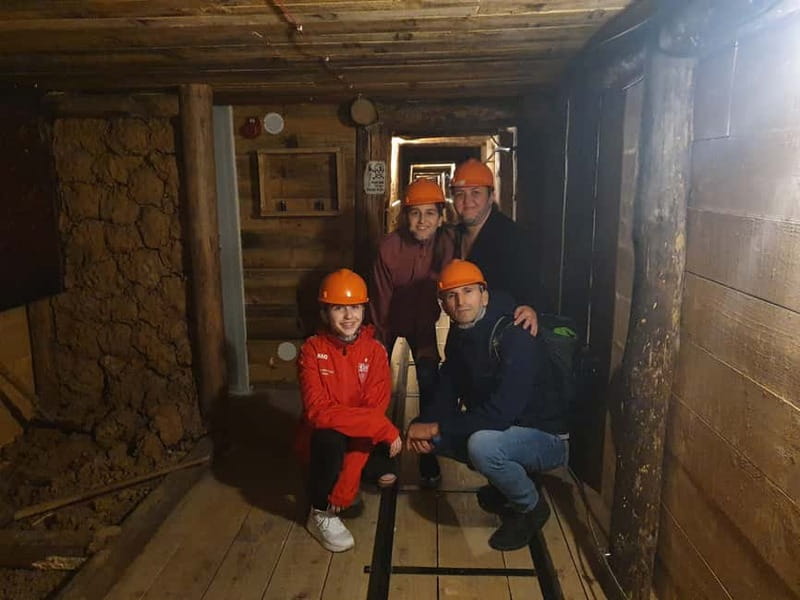
What makes this tour different is the person telling it. You are not just collecting dates, you are hearing how the siege was experienced, explained in context, and connected to specific places you can physically look at. In the reviews, guides like Adnan and Mustafa are repeatedly praised for their first-hand perspective and for explaining the siege and its complex causes with clarity and care.
I like that the tour does not stay inside a museum bubble. You start with short orientation on the road, then you move through the tunnel exhibit, then you go back outside to Trebević and the old city. That rhythm helps you understand why Sarajevo’s layout mattered.
If you want Sarajevo history that feels lived-in, this is built for you. If you prefer light entertainment, this probably won’t feel like the right fit.
Other accounts of the siege years:
- Fall of Yugoslavia, Sarajevo War Tour with Tunnel of Hope Museum and Frontlines
★ 5.0 · 1,314 reviews - Tunnel Museum: Bosnian & Yugoslav Wars Tour with War Veteran
★ 5.0 · 551 reviews - Sarajevo War Tour: A Veteran’s Story of the Siege (fees included)
★ 5.0 · 326 reviews
Meeting point and the ride that sets your bearings
You’ll meet at the Info Bosnia Tourist Information Center on the main pedestrian street, near the Sarajevo Meeting of Cultures mark. It’s the kind of meeting spot that’s easy to find, especially if you are already staying in or near the center.
Then you take an air-conditioned vehicle for about 25 to 30 minutes. During the drive, your guide gives you a short introduction to the war themes and points out important buildings and areas you will hear about again later. This is a smart setup. It helps you remember what you see in the museum because you already have mental landmarks.
Along the way, you also pass places like the Hotel Holiday and you get a look at Sarajevo’s frontline geography, including passing by spots connected to sniper fighting (often called Sniper alley). You do not need to memorize everything. Just pay attention to how the city’s lines, hills, and streets shape what people could reach, see, or control.
Tunnel of Hope Museum: Sarajevo Rose and that one-hour siege presentation
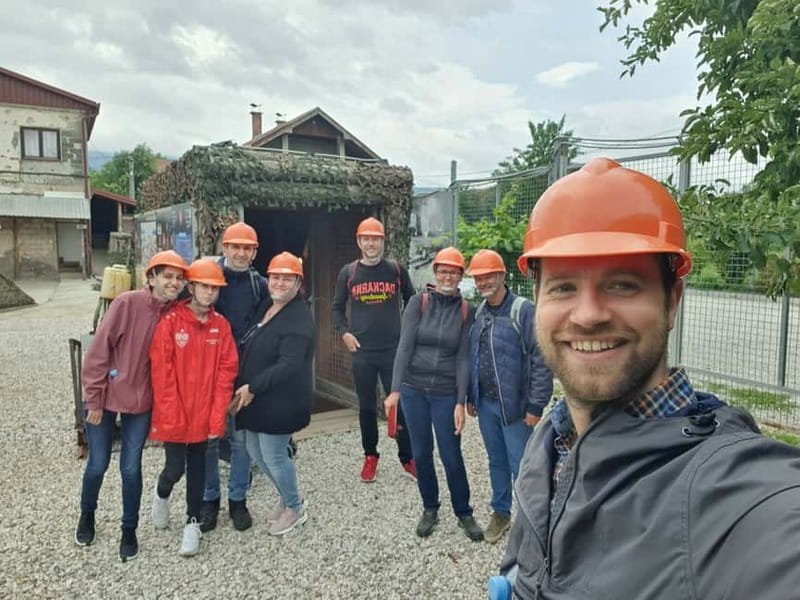
The core moment here is the Tunnel of Hope Museum. You arrive at the entrance area with the Sarajevo Rose mark out front, and it’s worth doing the quick photo stop because it becomes a visual anchor for the story.
After a short movie, you get a guided presentation that lasts about one hour. It covers the fall of Yugoslavia and the war across Slovenia, Croatia, Bosnia and Herzegovina, and then explains how and why the tunnel became so important for Sarajevo. This is where the tour earns its weight.
Here’s what you should expect emotionally: the presentation is designed to show not just what happened, but why the tunnel mattered for survival and logistics when Sarajevo was cut off. You learn how the tunnel fits into the siege system, and then later, outdoors, you can match that explanation to the terrain and viewpoints your guide highlights.
A practical perk is that the tour skips the ticket line. That means less waiting and more time with a guide who can keep the narrative flowing.
Trebević Mountain views and entering the destroyed Osmice
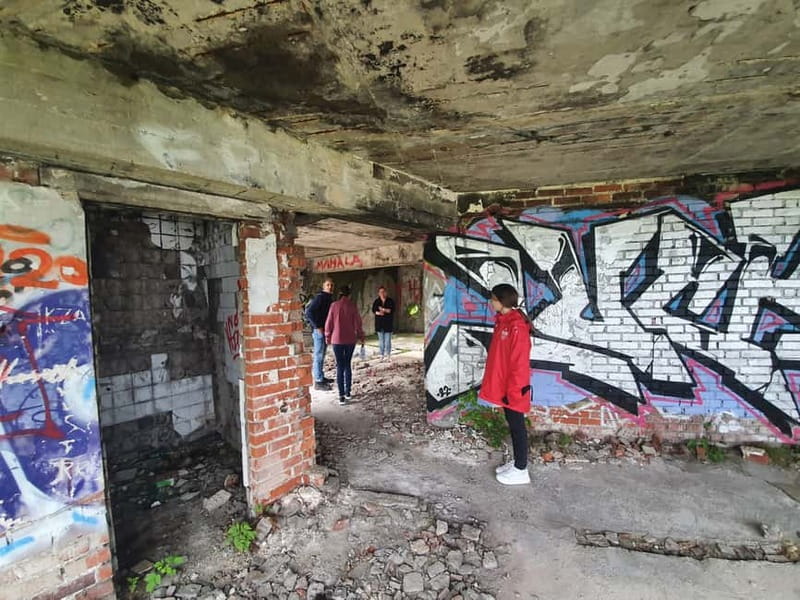
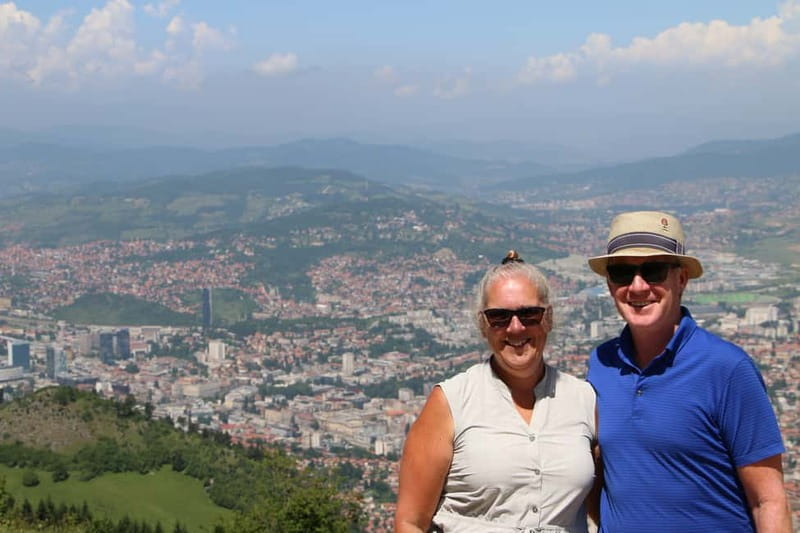
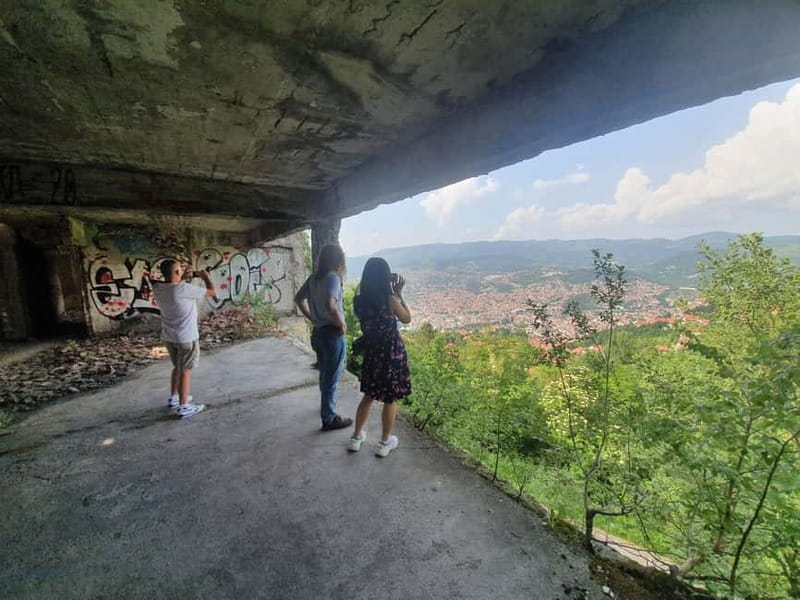
Next comes Trebević Mountain, the closest major mountain to the center of Sarajevo, and a key piece of the siege front line. This stop is one of the best ways to turn “history” into something you can understand. From Trebević, you get panoramic views of Sarajevo, and your guide explains how those viewpoints were also main positions for the enemy army.
Even if you’ve seen siege photos before, the landscape angle is different when you’re standing where control over sightlines mattered. You can actually feel why the high ground was so valuable, and why people in central neighborhoods lived with constant tension.
Then you get something concrete, not just a view: you can walk through and enter the destroyed hotel-restaurant Osmice. That sounds simple, but it’s powerful. You’re standing in a shell of a place that once served visitors and meals, now reduced to a reminder of bombardment and occupation pressures.
This stop can be intense, and it can also be a relief in a strange way, because it gives you a clear “this is what it looked like” connection. Just go slowly. There’s no rushing what you’re seeing.
Other visits to the tunnel museum:
- Sarajevo: Tunnel of Hope Tour – Survival and Resilience
★ 4.8 · 630 reviews - Sarajevo: Bosnian War & Fall of Yugoslavia Tour with Tunnel
★ 4.9 · 398 reviews - Sarajevo: A Siege Story – The Tunnel of Hope Experience
★ 4.8 · 206 reviews - Tunnel of Hope Tour – Survival and Resilience
★ 5.0 · 118 reviews
Olympic bobsleigh and luge track: history plus a surprisingly fun photo stop
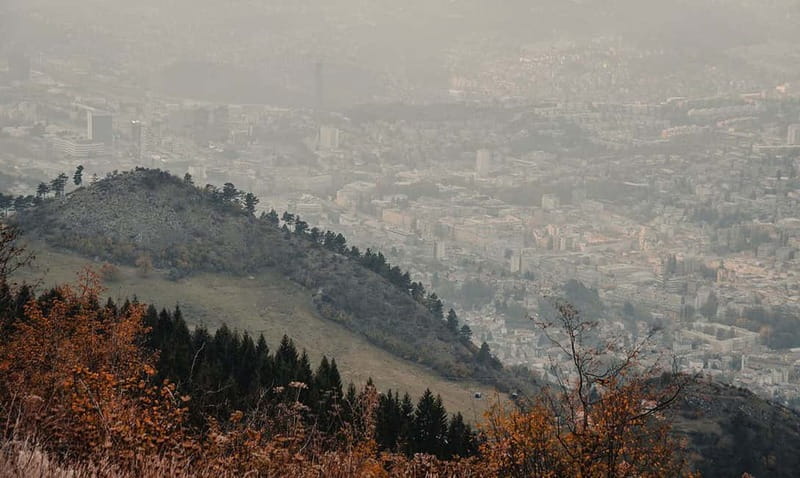
The tour also includes the Sarajevo Olympic bobsleigh and luge track area. It’s tied to the 1984 Winter Games site on or near Trebević, and the track is now abandoned. You do a photo stop, a visit, and time for a bit of free exploring with your group.
I’ll be honest: this is the stop where the tour lightens up just enough. The ruins and curves are visually interesting, and the setting gives you that “sports meets survival history” contrast that helps the day keep balance.
In the best moments, your guide connects why these slopes mattered during the siege, not as a gimmick, but as a way to show how terrain and facilities got repurposed by war realities. You may also get extra context about how the Olympic site fits into Sarajevo’s broader geography.
If you like mixing perspectives, this stop is worth it. It gives you a break from the heaviest material while still staying grounded in the same overall story.
Jewish cemetery, Stećak-shaped tombstones, and quiet specificity
Just under Trebević Mountain lies the second-largest Jewish cemetery in Europe. This stop is memorable for a simple reason: the tombstones are unusually shaped, and that distinctive style is linked to medieval Bosnian tombstones known as Stećak.
You’ll see the cemetery with photo stops and guided explanation, and you’ll come away understanding that Sarajevo’s history is not one single thread. It’s layered. The guide helps you connect how different communities left marks on the same region, even under changing rules and conflict pressures.
What I appreciate most is that this isn’t only told as background culture. It’s treated with respect and specificity, so you understand why the shapes matter, not just that they exist.
Practical note: cemeteries call for a quieter pace. Wear comfortable shoes and keep your voice down. You’ll get a lot more from the explanation when you slow down enough to look.
Yellow Fortress and the old Ottoman quarter
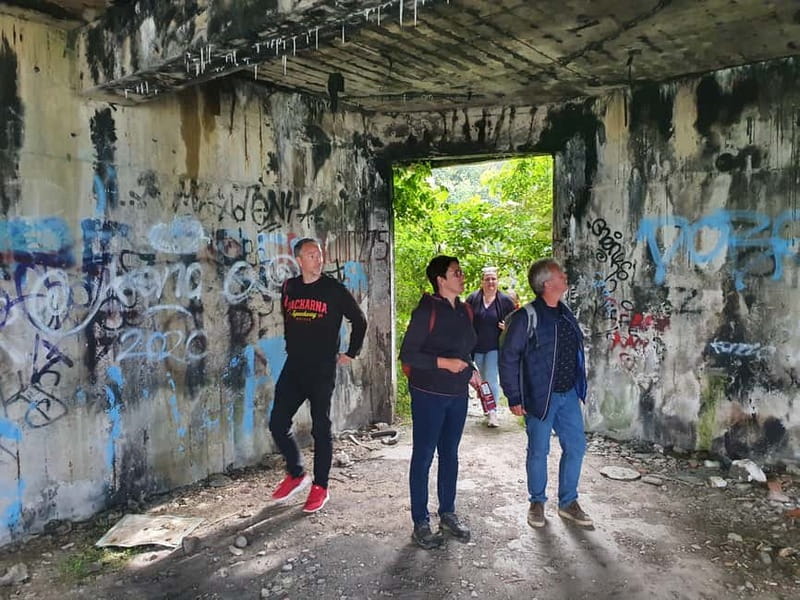
After the cemetery, you head toward Sarajevo’s old Ottoman city section to visit the Yellow Fortress, also known as the Yellow Bastion.
This stop gives you a different kind of siege context. Instead of focusing only on the tunnel and the hills, you shift into the city’s older layers, where fortifications and neighborhoods helped shape how the conflict played out in everyday space. Your guide handles the “why this location” part, so it doesn’t feel like a random scenic add-on.
You’ll do a photo stop and visit with guided explanation. If you’re the type who likes to match street-level details to bigger events, this is a strong penultimate moment. It helps you see the siege as something embedded in the city fabric, not just concentrated in one famous site.
Shehidi cemetery and Alija Izetbegović, the tour’s emotional ending
The last stop is the Shehidi (Martyr) cemetery. Here, the focus becomes recognition and consequence, where soldiers who gave their lives for independent Bosnia and Herzegovina are laid to rest.
In the heart of the cemetery lies the grave of Alija Izetbegović, the first Bosnian president. Ending at a place like this changes how the whole day lands. You started by learning how people survived and moved through a tunnel, you looked at ruined buildings and strategic viewpoints, and you then close with a place that holds names and memory.
This is where you should let the day be a day. Don’t rush your goodbye to the guide. If you have questions, ask. Many of the guide stories are described as candid and balanced, and hearing the last part with care is worth it.
Price and logistics: what $36 really buys you in 4 hours
The listed price is $36 per person for a 4-hour small-group tour. That’s not expensive for what you get: transportation, a war veteran or war survivor guide, and a route that covers multiple major sites without forcing you to figure everything out on your own.
Two value notes matter here:
- The tour includes a live English guide and the Tunnel of Hope Museum entrance fee may be included depending on the option you select (it’s listed as 10 EUR if that option is chosen).
- The day is structured. You get the tunnel’s one-hour presentation, plus several additional stops that help explain the siege geography instead of stopping after one landmark.
Also, transport is part of the experience. The vehicle is air-conditioned, and the tour has a strong rating for transportation quality, with 93% of reviewers giving a perfect score.
If you only want the tunnel museum, you could do it cheaper on your own. But if you want Sarajevo explained where you can see the terrain and sites with a firsthand guide, this price starts to make sense fast.
Should you book? My take for the right mindset
Book this tour if you want Sarajevo with context, not just facts. I think it’s especially good for you if you care about how geography affects human life and you appreciate hearing stories from people like Adnan or Mustafa who lived through the siege era.
You might skip it if you get overwhelmed easily by war topics, ruined buildings, and cemetery visits. This is not designed as a casual stroll. It’s a guided route through survival, remembrance, and the shape of the city under pressure.
If you do book, plan the rest of your afternoon like a reset. One reason this tour works so well is that it gives you a strong sense of place before you head out for something normal, like coffee in the old town.
FAQ
FAQ
How long is the Sarajevo Tunnel Museum Yugoslavia War Tour?
The tour duration is 4 hours.
How much does the tour cost?
The price is $36 per person.
What language is the tour in?
The tour is in English, unless another language is requested.
Where do I meet the tour?
You meet at the Info Bosnia Tourist Information Center on the main pedestrian street close to the Sarajevo Meeting of Cultures mark.
Is pickup available?
Pickup is optional. If you choose a private option, pickup and drop-off are included, and otherwise pickup is available for your hotel in Sarajevo.
What is included in the tour price?
Included features can include a war veteran or war survivor guide, small-group tour, air-conditioned vehicle, and transport pickup and drop-off if you select the private option. Tunnel of Hope Museum entrance fee (10 EUR) is included if that option is selected. Skip the ticket line is also listed as part of the experience.
Is there free cancellation?
Yes. You can cancel up to 24 hours in advance for a full refund.
More Museums in Sarajevo
- Cable Car Olympic Tour With Museum
★ 5.0 · 17 reviews - SARAJEVO CONCEPTUAL ART TOUR (galleries, art and arhitecture)
★ 5.0 · 7 reviews - Sarajevo: A City Under Siege – War Tour With Tunnel Museum
★ 5.0 · 4 reviews - Mostar: Sarajevo Grand Tour with Tunnel of Hope Museum
★ 5.0 · 17 reviews
More of the Yugoslav Decades
- Utopia of Tito’s Yugoslavia, Tito’s Bunker & Siege of Sarajevo
★ 5.0 · 35 reviews - From Sarajevo: Tito’s Bunker & Konjic City Tour
★ 4.9 · 23 reviews - Secret Tito’s Bunker/Konjic Tour
★ 5.0 · 4 reviews - Break-up of Yugoslavia & The War in Mostar: Life Under Siege
★ 5.0 · 136 reviews
Newest Sarajevo write-ups
- Sarajevo to Zagreb: One-Way Tour via Jajce, Travnik, Pliva Lake and Watermills★ 5.0 · 3 reviews
- Sarajevo E-Bike City Tour★ 5.0 · 3 reviews
- Mountain Village Lukomir Full Day Adventure Tour★ 5.0 · 3 reviews
- Bosnian Kingdom Capitals: Travnik & Jajce Tour from Sarajevo★ 5.0 · 3 reviews
- Strbacki Buk and Una Waterfalls: Day Trip from Sarajevo★ 5.0 · 3 reviews
- Sarajevo Old Town: Bosnian Coffee, Baklava & Panoramic Views★ 5.0 · 3 reviews
- Sarajevo Snowshoeing Adventure★ 5.0 · 3 reviews
- 4 Hours Tara Rafting Trip★ 5.0 · 3 reviews
Yugoslav History Tours, compared.
The Death of Yugoslavia: Unique thematic Tour in Mostar
Read our review →
Browse the lists this tour appears in