
Reviewed · KONJIC DAY TRIPS
From Sarajevo: Tito’s Bunker & Konjic City Tour
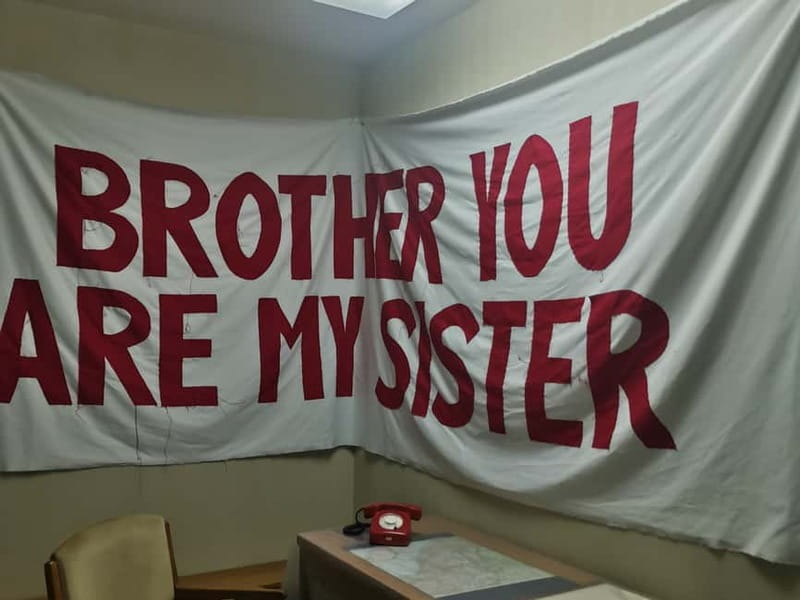
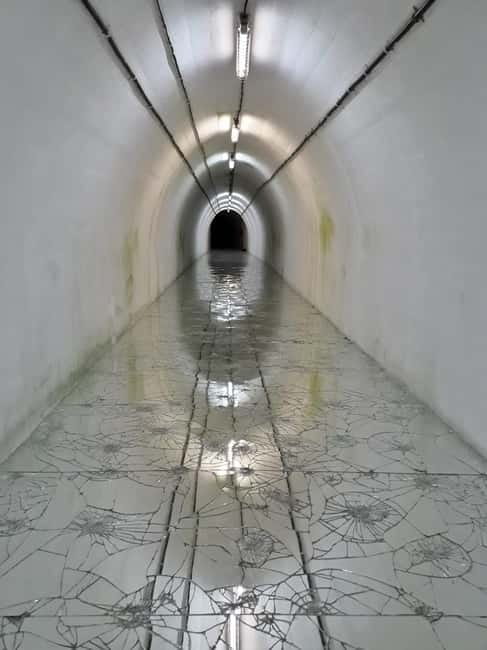
Tito’s Bunker is the kind of place that makes you rethink Cold War spending. This underground complex was built to protect the political and military leadership if catastrophe struck, and today it has a completely different life as a meeting point for artists.
I love how the tour pairs hard construction facts with real people and purpose. I also like the small-group feel, because you can ask questions in a guided pace instead of sprinting through corridors. One thing to consider: the bunker is cold, and part of the experience is walking inside an underground site with rules on recording.
Key things to know before you go
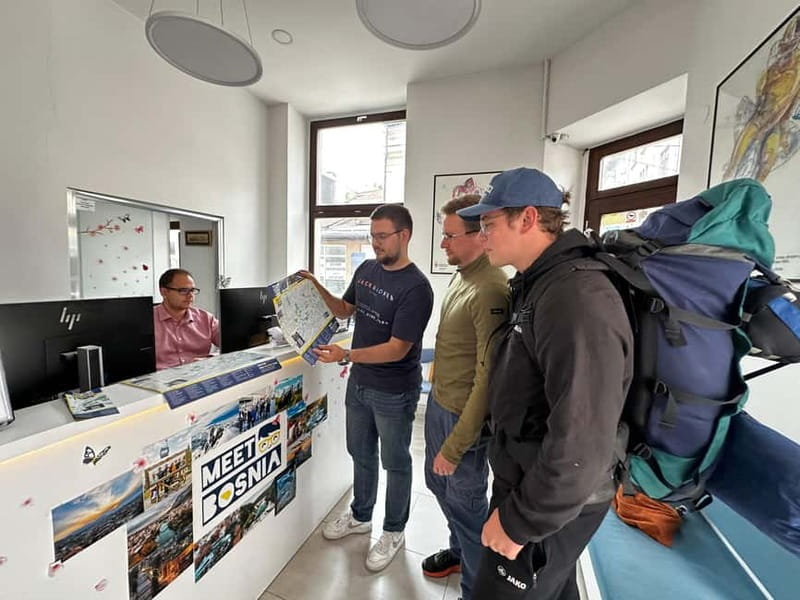
- A 5-hour Sarajevo day trip that keeps the momentum without feeling rushed
- Small group up to 6, so you get more time with the guide and fewer crowds
- Tito’s Bunker entrance fee is extra, so plan for 20 euro on arrival
- English licensed guide, plus an AC vehicle and hotel pickup/drop-off
- No video recording, while photography is allowed (including inside the exhibition areas)
- Konjic Old Bridge on the Neretva River, with lunch and coffee time included depending on your request
Tito’s Bunker, the Ark Under Herzegovina
This is not a generic museum stop. Tito’s Bunker, often referred to as the Ark, is a massive nuclear shelter and one of the largest underground facilities built in the former Yugoslavia. The scale is hard to picture until you’re standing inside it.
Here’s what makes it so compelling. The bunker covers about 6,500 square meters, and it took 26 years to build, from 1953 to 1979. During that time, the design focused on survival: nuclear-war protection for Tito and the closest leadership, with systems that could keep people alive for the long haul. The reported budget is eye-opening, with the project described as costing $4.6 billion in the former Yugoslavia.
When you visit, you’re not just looking at concrete. You get explanations about how the bunker was engineered for a worst-case scenario: air conditioning, power generation, toilets, and a water cistern that still holds fresh water. That combination of survival infrastructure and everyday survivability is what makes it feel eerie in a very practical way.
And then there’s the twist. During the breakup of Yugoslavia, the JNA ordered demolition in March 1992, but the detachment refused and surrendered the structure to the Bosnian government. Instead of being erased, the bunker became a creative space, serving as a meeting point for artists from the region, Europe, and the world. The result is an experience that moves from Cold War engineering to contemporary art in one day.
More City Tours in Sarajevo
- ROSES OF SARAJEVO (Official WAR + CITY tour)- Story of a Survivor
★ 5.0 · 770 reviews - Sarajevo: Guided City Highlights Tour with Sarajevo Tunnel
★ 4.8 · 79 reviews - Sarajevo: Sarajevo City Market, Old Town Food Tasting Tour
★ 4.9 · 69 reviews
How the 5-hour Sarajevo tour stays smooth
The tour runs as a focused half-day. You start with pickup in Sarajevo, then go by AC-equipped vehicle to Tito’s Bunker and onward to Konjic. You’ll return back to Sarajevo at the end.
What I like about this setup is that it saves you from logistics stress. You don’t have to figure out transport timing, where to park, or how to coordinate an entrance. You also avoid the worst part of day trips, the long stretches where you’re sitting around wondering if everyone is running late.
Timing matters here because the bunker visit is the heavy-hitter. You’ll want your head fully switched on for it. The tour length of 5 hours is enough to see the bunker and still get meaningful time in Konjic for lunch, coffee, and exploring the old bridge area.
One small consideration: the itinerary is tight by design. If you’re the type who likes to linger for 45 minutes in one room, you might feel the pace. The good news is the group size helps. With a maximum of 6 participants, your guide can steer you to the right spots without fighting a crowd.
Entering Tito’s Bunker: cold air, strict rules, and working systems
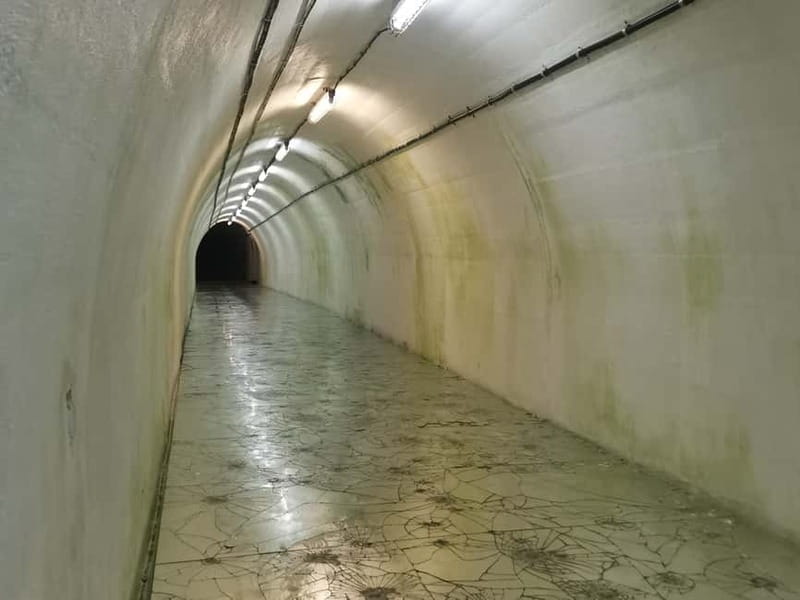
Before you step in, take the “cold bunker” warning seriously. Even in summer, it’s recommended to bring a light jacket. Underground spaces can feel significantly cooler than the street outside, and you’ll do some walking.
Once inside, the tour is guided, and this is where the experience really pays off. A good guide makes the bunker readable. You’ll learn why certain areas were built and how the systems were meant to function if the world outside turned unlivable.
I find the still-working details especially memorable. The explanations highlight that key infrastructure is not just a display. The air conditioning system, power generator, and toilets are described as still operating, and the water cistern is filled with fresh water. It’s not just a set. It’s a complex that was built to function.
There’s also an important rule to note. Video recording is prohibited. Photographing the bunker and the exhibition is allowed, so you can still capture the space. But if you rely on video for your travel memories, you’ll need to plan for still photos only.
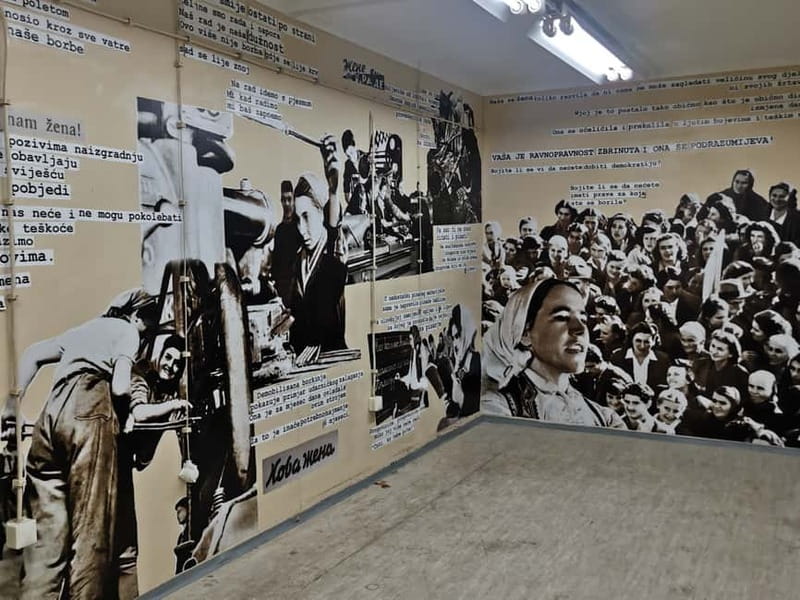
What makes this feel more than just “history on walls” is the art exhibition inside. Tito’s Bunker now hosts exhibitions and serves as a meeting point for artists. That means you’re not confined to utilitarian rooms. You’ll see how contemporary creativity has taken over a place built for survival. For me, that contrast is the emotional center of the tour: from nuclear shelter logic to human expression.
The Konjic stop: Old Bridge, river views, and time to recharge
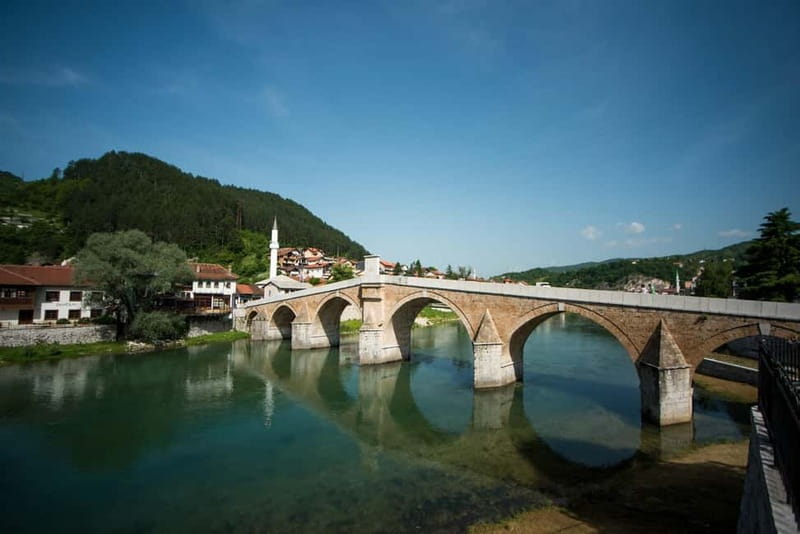
After the bunker, the trip moves to Konjic, a town on the banks of the Neretva River. This is a good balance to the heaviness of the bunker. You swap thick concrete and industrial air for open views, a classic town feel, and river atmosphere.
Konjic’s recognizable landmark is the Konjic Old Bridge. It’s described as connecting the banks of the Neretva River for centuries. Even if you’re not a bridge fanatic, it helps to see this kind of landmark in person. It’s a reminder that travel routes, trade, and everyday life have always followed water, long before the Cold War ever did.
During the Konjic portion, the tour includes guided sightseeing plus breaks for your own time. Lunch and coffee are organized per request, and you’ll have free time for exploring on your own. I like this structure because you can choose your pace. If you want a longer sit near the river, you can. If you want to walk a bit further and take in the town streets, you can do that too.
One practical note: you’ll likely want comfortable shoes for the day. The bunker is underground and the walking can add up, then Konjic gives you outdoor time where you’ll naturally wander.
More of the Yugoslav decades:
- Fall of Yugoslavia, Sarajevo War Tour with Tunnel of Hope Museum and Frontlines
★ 5.0 · 1,314 reviews - Sarajevo: Tunnel Museum Yugoslavia War Tour with War Veteran
★ 5.0 · 1,111 reviews - Tunnel Museum: Bosnian & Yugoslav Wars Tour with War Veteran
★ 5.0 · 551 reviews - Sarajevo: Bosnian War & Fall of Yugoslavia Tour with Tunnel
★ 4.9 · 398 reviews
Price and value: what $70 really covers
The price listed is $70 per person, and it includes several things that add real value for a Sarajevo day trip: licensed guide, hotel pickup and drop-off, and transport in an AC-equipped vehicle.
The biggest item not included is the bunker entrance fee of 20 euro. That extra cost is important for budgeting, especially if you’re traveling with a group.
So is it worth it? In my view, the value comes from two places. First, you’re paying for guided interpretation inside a complex that would be hard to navigate without context. Second, the transport and pickup reduce friction. You’re not taking multiple tickets, hunting down schedules, or spending your energy on logistics.
If you’re the kind of traveler who likes understanding how places work, not just seeing them from the outside, you’ll feel your money go further here.
If you’re more of a quick photo-and-go person, you might feel the tour is more structured than you need. The bunker is a real construction site in how it’s presented, so the guide matters.
Small group touring: why max 6 changes the feel
One of the strongest practical advantages is group size. This is a small group limited to 6 participants. That matters more than it sounds.
In a place like Tito’s Bunker, you want the guide to slow down when someone asks a question about air systems, power, or why the bunker was designed a certain way. With fewer people, you’re less likely to get cut off mid-question, and you’re more likely to notice details that bigger tours rush past.
This also connects to the strong satisfaction you’d expect from the experience. Drivers and guides associated with this kind of tour have been described as friendly, professional, and careful with timing, including when winter conditions make roads tougher. That’s the kind of detail you don’t notice until you need it, like when you arrive early or when weather shifts.
What to pack and how to play by the bunker rules
Here’s my practical checklist for this tour.
- A light jacket for the bunker, even in warm months
- Comfortable walking shoes
- Phone charged, since photography is allowed and you’ll want still shots
- No video recording, so plan to use photos instead
Also, follow the on-site guidance. In a bunker, rules help keep the experience smooth and safe. If you’re unsure about what’s allowed in a specific room, ask your guide before you start moving your camera around.
If you’re sensitive to confined spaces or cool temperatures, go in with that in mind. You’re underground for part of the day, and the bunker’s purpose is serious by design.
Who this Tito’s Bunker and Konjic tour is for
I think this tour suits you if you want a day that mixes engineering, politics, and art, without needing a full history course.
It’s especially good for:
- People who like Cold War-era sites and want the “how it worked” explanation
- Travelers who enjoy guided context, not just self-guided wandering
- Anyone who wants a Sarajevo day trip that feels structured but not crowded
- Travelers who also want a calm counterpoint in Konjic after a heavier first stop
It might be less ideal if you:
- Hate cold indoor spaces
- Want to record lots of video content, since video recording is prohibited
- Prefer long, unstructured time in one place over a balanced route
FAQ
FAQ
How long is the From Sarajevo: Tito’s Bunker & Konjic City Tour?
The tour lasts 5 hours.
Where does the tour start and end?
Pickup and drop-off are in Sarajevo.
Is the bunker entrance fee included in the $70 price?
No. The Tito’s Bunker entrance fee is 20 euro and is not included.
What’s included in the tour price?
You get a licensed guide, transportation in an AC equipped vehicle, hotel pickup, and hotel drop-off.
Is the tour conducted in English?
Yes, the live tour guide is in English.
How big is the group?
The group is small, limited to 6 participants.
Is the bunker visit wheelchair accessible?
Yes, the tour is listed as wheelchair accessible.
Can I take photos or record video in Tito’s Bunker?
Video recording is prohibited. Photographing the bunker and the exhibition is allowed.
What should I bring for the bunker?
A light jacket is recommended because the bunker is cold, even during summer.
Should you book this tour?
I’d book it if you want a small-group, guided Sarajevo day trip that goes beyond a quick look and actually explains how Tito’s bunker was built to function, then follows up with art and a real town stop in Konjic by the Neretva River.
I would skip it or adjust expectations if you’re hoping for lots of video recording, you hate cool underground spaces, or you want a very unstructured day. For most people, though, this is a smart use of half a day, with easy transport and a tour pace that keeps you moving without feeling shoved along.
Other Days Out at Konjic
- Sarajevo: Mostar, Konjic, Blagaj Tekke, Pocitelj & Waterfall
★ 4.9 · 1,666 reviews - Sarajevo: Mostar, Konjic, Sufi House, Pocitelj & Kravice Falls
★ 5.0 · 1,179 reviews - Sarajevo: Mostar, Konjic, Dervish House, Pocitelj & Kravica Falls
★ 5.0 · 437 reviews - Sarajevo: Mostar, Konjic, Pocitelj, Blagaj Skywalk Waterfall
★ 5.0 · 331 reviews
Newest Sarajevo write-ups
- Sarajevo to Zagreb: One-Way Tour via Jajce, Travnik, Pliva Lake and Watermills★ 5.0 · 3 reviews
- Sarajevo E-Bike City Tour★ 5.0 · 3 reviews
- Mountain Village Lukomir Full Day Adventure Tour★ 5.0 · 3 reviews
- Bosnian Kingdom Capitals: Travnik & Jajce Tour from Sarajevo★ 5.0 · 3 reviews
- Strbacki Buk and Una Waterfalls: Day Trip from Sarajevo★ 5.0 · 3 reviews
- Sarajevo Old Town: Bosnian Coffee, Baklava & Panoramic Views★ 5.0 · 3 reviews
- Sarajevo Snowshoeing Adventure★ 5.0 · 3 reviews
- 4 Hours Tara Rafting Trip★ 5.0 · 3 reviews
Konjic Day Trips, compared.
Mostar, Konjic, Blagaj Tekke, Pocitelj & Waterfall
Read our review →
Mostar, Konjic, Sufi House, Pocitelj & Kravice Falls
Read our review →
Mostar, Konjic, Dervish House, Pocitelj & Kravica Falls
Read our review →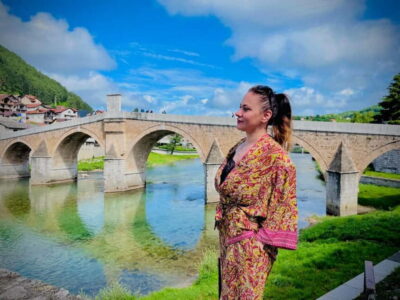
Mostar, Konjic, Pocitelj, Blagaj Skywalk Waterfall
Read our review →
Mostar Konjic Blagaj Pocitelj Fortica Skywalk Waterfall
Read our review →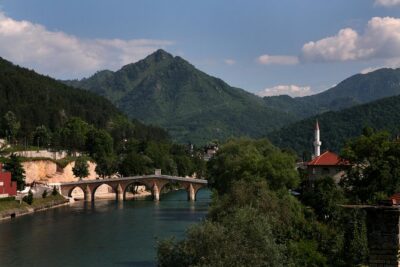
Private Day Tour to Mostar, Blagaj, Pocitelj, Konjic and Jablanica
Read our review →
Browse the lists this tour appears in