
Reviewed · YUGOSLAV HISTORY TOURS
The Death of Yugoslavia Tour in Mostar
The Death of Yugoslavia Tour in Mostar is interesting because it turns the normal walk-and-photograph routine upside down. Instead of big sights, you follow a guided story through secret, abandoned places tied to Yugoslavia and the Cold War.
I really like two things about this experience: the expert local storytelling (often led by guides like Marco, Marko, Miran, and Marin) and the way the guide uses music presentations to connect different decades, from Tito’s era to the 1980s. It also runs in English and keeps the group small, max 16.
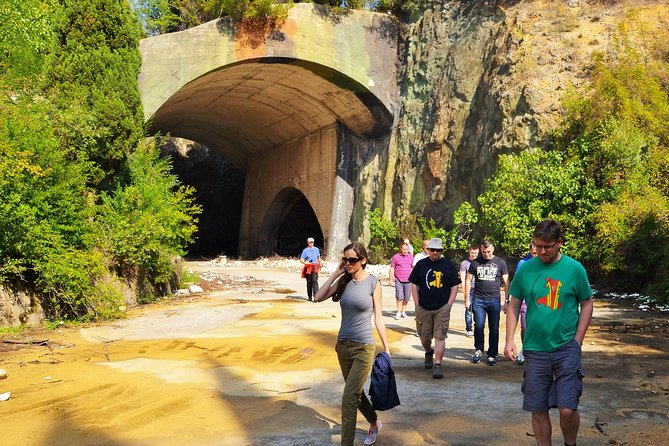
One possible drawback: this is not a scenery tour. Several locations are decaying and abandoned, so if you want clean, maintained attractions, you may find the mood heavy.
Key highlights you will feel during the tour
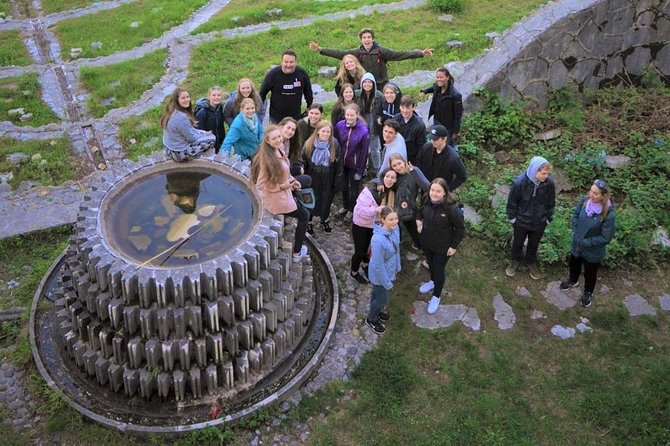
- Secret sites, clearer meaning: the locations are kept undisclosed until you arrive, which makes the story land faster.
- Four Mostar stops, four chapters: Cold War paranoia, Tito and everyday life, the Yugoslav wars, and Bosnia today.
- Music used as a timeline tool: guides use music to underline how attitudes and culture shifted by decade.
- Small group size: a max of 16 people means you get time to ask questions instead of being rushed.
- Round-trip transport from Mostar: you get hassle-free movement between sites without figuring out local logistics.
Mostar at 5:00 pm: what the tour’s rhythm is like
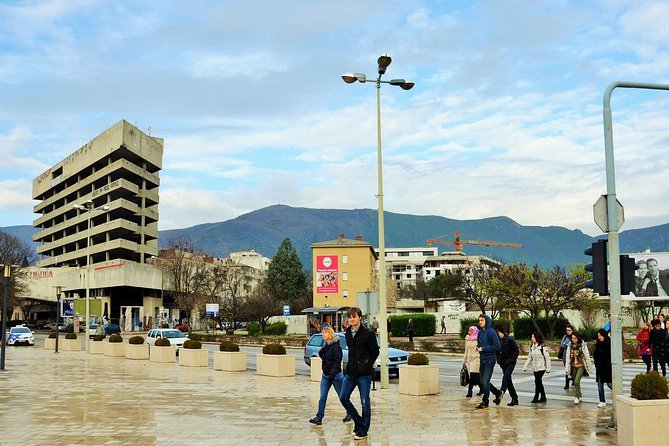
This tour starts at 5:00 pm and meets at iHouse Travel, Onešćukova 25, Mostar. From there, you move by vehicle through the city and between the different sites, keeping the pacing steady: short stops, then more story on the drive.
The timing also makes sense for Mostar. Late afternoon light helps you see the city streets as you go, but you are not stuck standing in the hottest hours. The experience is about 2 hours 30 minutes (approx.), though one useful thing to know from real-world timing is that it can run slightly longer, with one group going just past 3 hours.
More of the Yugoslav decades:
- Break-up of Yugoslavia & The War in Mostar: Life Under Siege
★ 5.0 · 136 reviews - The Death of Yugoslavia: Unique thematic Tour in Mostar
★ 5.0 · 22 reviews - Fall of Yugoslavia, Sarajevo War Tour with Tunnel of Hope Museum and Frontlines
★ 5.0 · 1,314 reviews
Price and what $47.17 buys you in real value
The price is $47.17 per person, and that number matters because the tour is designed like a guided history show, not a self-guided walk. You are paying for a local guide who ties multiple decades together, plus included taxes and the driver/guide.
Also, the stops have admission ticket free listed for each site you visit. So you are not paying extra on the day for entry fees, which keeps the cost predictable. And because the group is capped at 16, the guide can actually work at a human pace instead of lecturing to a crowd.
Two other value signals: you get a mobile ticket, and the tour is offered in English. If you are traveling solo, there may be no issue getting in, but you should still expect a small-group setup.
Meeting point and the “round-trip” promise you want to take seriously
The meeting point is fixed, iHouse Travel at Onešćukova 25, and the tour ends back at the same place. That round-trip design is a big deal in Mostar because it means you do not have to plan your own return from a remote stop.
Hotel pickup is optional. If you do not select it, hotel pickup and drop-off are not included. So before you go, double-check what you chose at booking, especially if you are staying away from the center.
Why the tour hides the locations until you arrive
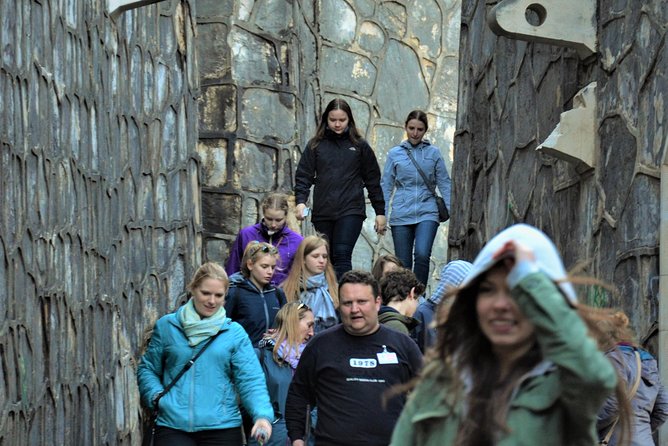
One of the tour’s smartest choices is that the locations are kept secret for a more immersive experience. You get story context while driving, then you reach a site and the meaning clicks in place.
In practice, this matters because abandoned sites can look like “just ruins” if you are not given a frame. Here, you are given that frame right before you arrive, so you do not waste time guessing what you are seeing.
It also keeps the day from feeling like a checklist. You are following a narrative, not hunting photos.
More around Mostar to weigh up
- Dubrovnik: Kravica Waterfalls, Mostar and Pocitelj Day Trip
★ 4.5 · 3,045 reviews - From Mostar: Blagaj, Počitelj & Kravice Waterfalls Day Tour
★ 5.0 · 1,310 reviews - Discover Herzegovina Day Tour from Mostar: Kravice Waterfalls, Blagaj, Počitelj
★ 5.0 · 742 reviews - From Mostar: Kravice Waterfalls, Blagaj, & Počitelj
★ 5.0 · 565 reviews
Stop 1: driving into the Yugoslav paranoia of the Informbiro period
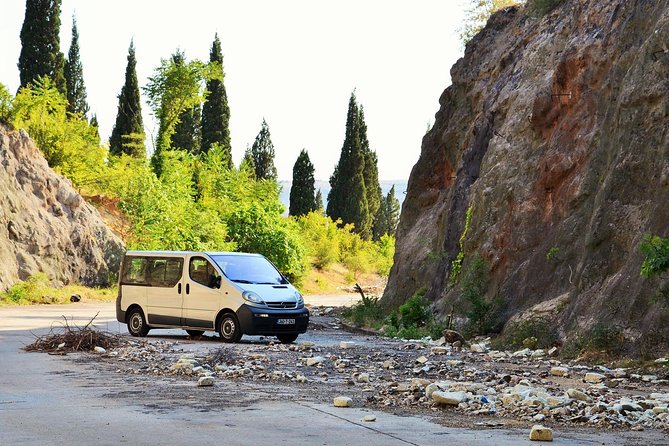
Your first major chapter begins after you meet and move out by vehicle. The early driving portion sets you up with WW2 and the emergence of Socialist Yugoslavia. Then you head to the first secret location near Gornje Gnojnice, where the story focuses on the Cold War and the Yugoslav Informbiro period.
This is the part where Yugoslavia’s break with the Soviet Union becomes more than a date on a map. You hear how that split triggered a run for militarization and helped shape the country in the 1950s.
What I like about starting here is that it gives you a baseline. Tito’s Yugoslavia was not simply “communism with a smile.” It was an independent project under pressure, and you feel that tension in how the guide explains secrecy and fear.
Stop 2: Rodoč and the lived reality of Tito’s socialism
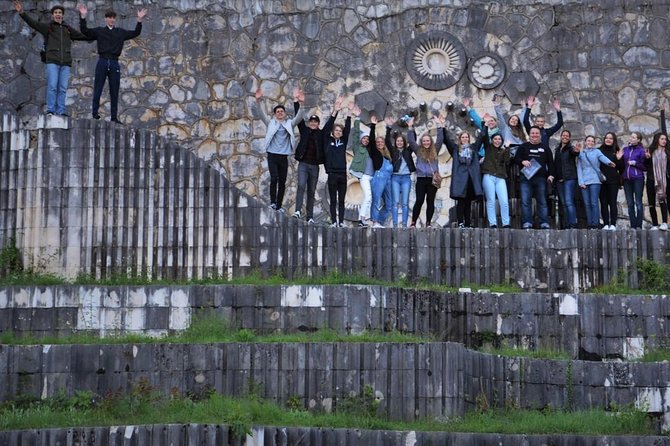
Next you drive to the second secret location, Rodoč, and the tone shifts. The chapter is titled around people’s life, and the guide talks about Josip Broz Tito, including his personal life and political achievements.
The key theme here is what socialism looked like for daily life. You hear about youth work actions and how Yugoslavia pursued heavy industrialization in the 1950s and 1960s.
Then the tour slides into culture, moving through popular culture from the 1970s and 1980s. That includes brands, music, automotive industry, and lifestyle. This is where many people start to understand Yugoslavia as more than just politics.
A practical note: each stop is listed around 30 minutes, and the drive time is part of the storytelling. So plan to stay attentive while the vehicle is moving, not just when you step out.
Stop 3: Španski trg and the 1980s clues before the breakup
The third chapter centers on the 1980s, and it is anchored by Španski trg. On the drive, the guide brings up the 1984 Sarajevo Winter Olympics and explains why that period felt like a golden era of Yugoslav socialism.
You then get the transition from pride to collapse. The story connects the fall of Yugoslavia to economic depression and the rise of nationalisms, leading first to conflict in Slovenia and Croatia, and then later to Bosnia and Herzegovina as the Yugoslav war reached its culmination.
This chapter is emotionally heavier, but it is also structured. You are not just handed tragedies. You are guided to see how multiple pressures stacked up, and how the Yugoslav dream dissolved into war.
If you prefer your history strictly chronological, this still works, because the guide uses the 1980s “snapshot” as a hinge point, then pulls you forward to the breakup.
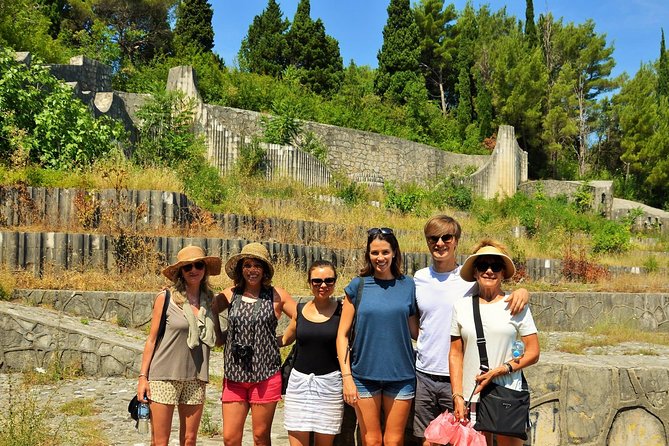
Stop 4: Partisan Cemetery and Bosnia and Herzegovina today
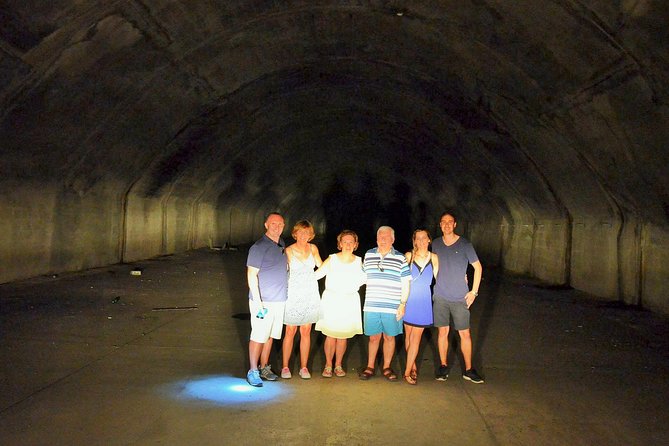
The final stop is Partisan Cemetery, framed as Bosnia and Herzegovina today. While driving to the last location, the guide analyzes the country’s political structure and the problems and challenges Bosnia faced going into the early 21st century.
Then you walk through the final site and bring the story into a bigger frame. You discuss the possibility of European Union membership and what that could mean for economic, cultural, and political recovery.
What makes this ending work is that it prevents the tour from becoming a museum-only experience. You close with questions about the present, not just the past.
The guides are the product: storytelling that sticks
The tour is only as good as the person telling the story, and the guide performance here is consistently praised. Names that show up again and again include Sebi, Marco, Marko, Miran, Myran, Dario, and Marin. People highlight that the guides are strong storytellers, make complicated history easier to follow, and often include humor.
One detail I would not ignore: some guides add music to match the time period. That is not a gimmick. Music acts like a shortcut through decades, so Tito’s era and the later breakup years feel connected instead of like random chapters you forgot five minutes later.
If you enjoy history with a human voice, this is the part you will remember most.
Who this tour is best for
This tour fits you if you want a history lesson with real places and you do not mind that the sites are not postcard-perfect. It is a great choice for people who like understanding cause and effect, not just memorizing dates.
It also works well if you are in Mostar for a short time and want more than bridges and old town photos. The tour gives you an off-the-beaten-track perspective on why the region looks the way it does.
On the other hand, skip it if you need relaxing, light sightseeing. The tone is serious, and you should expect to spend time thinking.
Practical tips that help you enjoy it more
Food and drinks are not included, so I’d plan to grab a snack before you go or plan a meal after. The tour also has a strict focus on story and short site visits, so you will get more out of it if you are not hungry or distracted.
Children can join, but children must be accompanied by an adult. The tour runs for most people, and the group limit is 16, which keeps it manageable.
Language is English, and you receive a confirmation at booking.
Finally, because the tour is often booked ahead (on average 19 days in advance), booking early can help you lock in a slot, especially if you are traveling in busier weeks.
Should you book the Death of Yugoslavia Tour in Mostar?
Book it if you want history that connects the Cold War to the lived reality of Tito’s Yugoslavia and then to the war that followed. You get four Mostar sites in a tight, guided narrative, plus music-driven storytelling from guides like Marco, Marko, Miran, and others.
Skip it if you want only pretty, maintained landmarks. Some stops are abandoned and decaying, and the meaning is the point, not the photo.
If you are willing to trade easy sightseeing for a focused, thoughtful story, this is one of the most memorable ways to understand modern Bosnia and Herzegovina from inside Mostar.
Newest Mostar write-ups
- Private Transfer from Mostar to Split★ 5.0 · 3 reviews
- Mystical Sutjeska National Park★ 5.0 · 3 reviews
- Mostar Guided Tour & Sweet Delights★ 5.0 · 3 reviews
- Burek Masterclass in Mostar★ 3.0 · 3 reviews
- Mostar Old Town Walking Tour – Best Seller★ 5.0 · 4 reviews
- All Inclusive Neretva Rafting, Day Tour from Mostar★ 5.0 · 4 reviews
- Authentic Medjugorje Tour★ 4.0 · 4 reviews
- Private Transfer from Mostar and Split★ 5.0 · 5 reviews
Yugoslav History Tours, compared.
The Death of Yugoslavia: Unique thematic Tour in Mostar
Read our review →
Browse the lists this tour appears in