
Reviewed · YUGOSLAV HISTORY TOURS
The Death of Yugoslavia: Unique thematic Tour in Mostar
What makes The Death of Yugoslavia tour in Mostar so interesting is the way it uses four secret locations to tell a clear story, with culture and politics linked through music. You do not sit and watch facts scroll by. You move, stop, and listen in a way that feels like chapters in one long narrative.
I also like how the guide work leans into real people, not only leaders. Learning about Tito through his leadership and the dreams of everyday citizens makes the era easier to picture, and it carries you past the usual textbook version of the story. A lot of the strongest moments hinge on the storytelling style, and names like Simon, Marco, Marko, and Saddy come up for a reason, they sound like they enjoy teaching.
One possible drawback is that because the tour keeps the stops secret, you will not know exactly where you are going until you arrive. Also, the timeline reaches the Yugoslav wars and their consequences, so it is not a light topic even when the guide keeps things human and even funny.
Key takeaways before you go
- Four chapters, four hidden stops, each tied to a specific period in the Yugoslav story
- English live guide with strong storytelling that keeps the group moving and thinking
- Cold War to 1980s turning points, including Tito’s socialism and the 1984 Sarajevo Winter Olympics
- People-focused history, from Youth Work Actions and industrialization to popular culture, brands, music, and cars
- Bosnia today at the end, including the political structure and the EU membership question
- Comfort shoes matter, because the guided segments add up over 150 minutes
A Mostar story tour with four secret locations
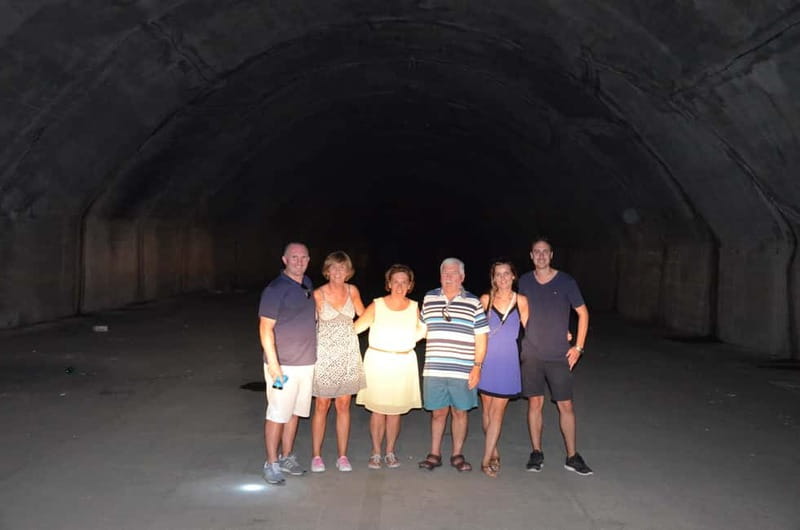
In Mostar, you can easily spend your time staring at the Old Bridge, then calling it a day. This tour is different. It uses iHouse Travel as a starting point and then takes you to four places you would likely miss on your own, each one mapped to a chapter of Yugoslavia’s rise and fall.
The value is not only that the stops are hidden. It is that the guide connects big events to how people lived, what they listened to, and what they hoped for. You get the political arc, but you also get the daily-life angles: jobs, youth programs, industry, and what pop culture looked like across the decades.
You cover history through movement, not museum rooms. And that matters, because the pacing makes the timeline feel less like a list and more like a story you can follow from start to finish.
More of the Yugoslav decades:
- Break-up of Yugoslavia & The War in Mostar: Life Under Siege
★ 5.0 · 136 reviews - The Death of Yugoslavia Tour in Mostar
★ 5.0 · 102 reviews - Fall of Yugoslavia, Sarajevo War Tour with Tunnel of Hope Museum and Frontlines
★ 5.0 · 1,314 reviews
Gnojnice chapter: Cold War paranoia and the Informbiro years
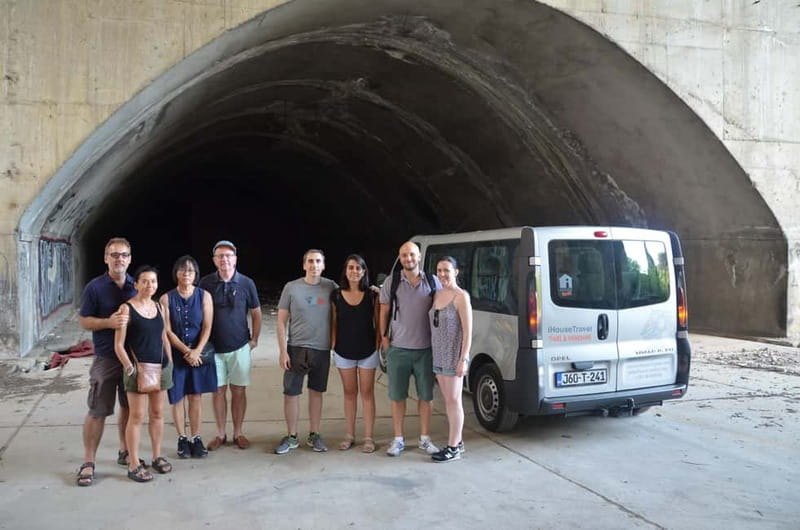
You begin at iHouse Travel, a few steps from the Old Bridge, then you ride in a modern car or van for about 20 minutes before the first guided stop at Gnojnice (about 45 minutes). The tour kicks off with the big picture, World War II and the birth of Socialist Yugoslavia, then it quickly turns toward what came next.
This first secret location is built for the Cold War mindset, especially the tough period tied to the Yugoslav Informbiro split and the country’s pursuit of militarization in the 1950s. That is the core idea you should expect here: Yugoslavia was not just sitting in the background of world politics. It was actively trying to define itself under pressure.
What I like about starting with this era is that it gives you the emotional logic behind later events. When a country spends years feeling watched or constrained, it shapes how leaders act and how society thinks. Even if you only remember a few terms, you will understand why the Yugoslav dream had edges.
Practical tip: when a tour starts with a politically heavy era, it is worth paying attention early. The guide’s story style tends to set up ideas you will use later, especially around why unity became harder over time.
Rodoč chapter: Tito, everyday aspirations, and what life felt like
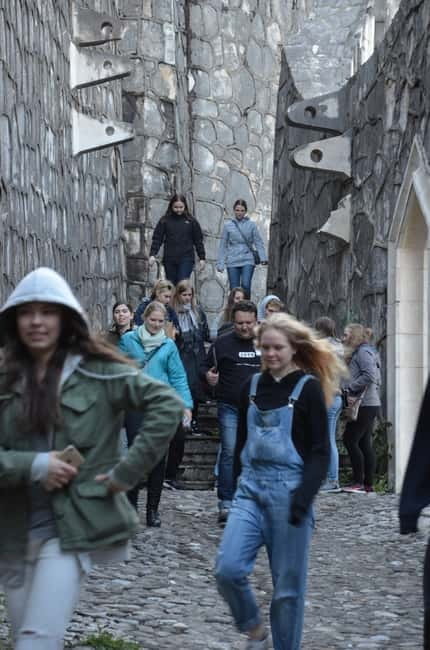
From Gnojnice, you move by van again (about 15 minutes) and reach Rodoč for around 30 minutes of guided time. This stop centers on Josip Broz Tito, covering his personal life and political achievements, plus the way he shaped a unique form of socialism for Yugoslav people.
The tour does not keep you stuck on one leader. It shifts toward ordinary lives. You hear about Youth Work Actions, plus the extensive industrialization that took off in the 1950s and 1960s. That combination is important because it turns socialism from a slogan into something with routines, workplaces, and expectations.
Then the story pivots to popular culture during the 1970s and 1980s, including brands, music, the automotive industry, and lifestyle trends. I really like this part because it stops history from feeling frozen in black and white. You start connecting the political system to what people did in their free time.
This is also where the guide’s character matters. The tour’s best moments lean on clear, objective explanation with humor and anecdotes. Names like Simon, Marco, and Marko are tied to strong storytelling and an ability to make the timeline feel personal without turning it into propaganda.
If you are the type who enjoys understanding the “how did people live” layer, Rodoč is a key stop.
Španski trg chapter: the 1980s, Sarajevo 1984, and the wars that followed
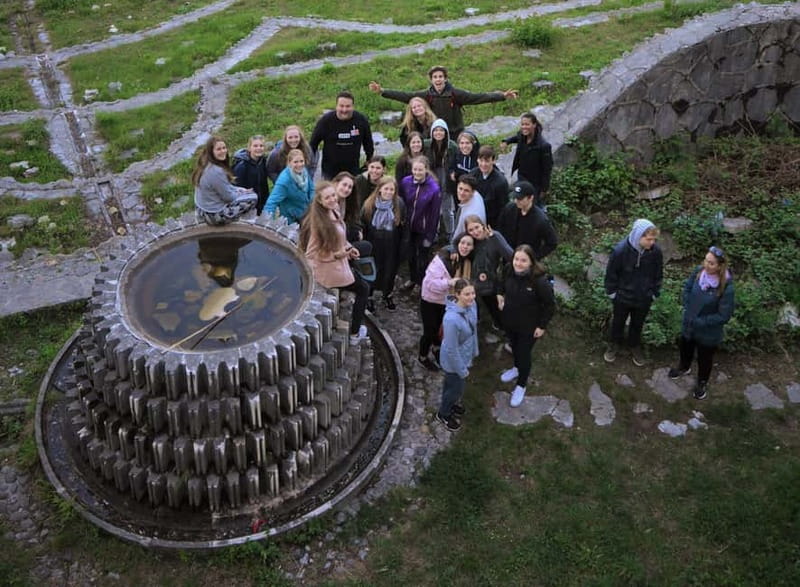
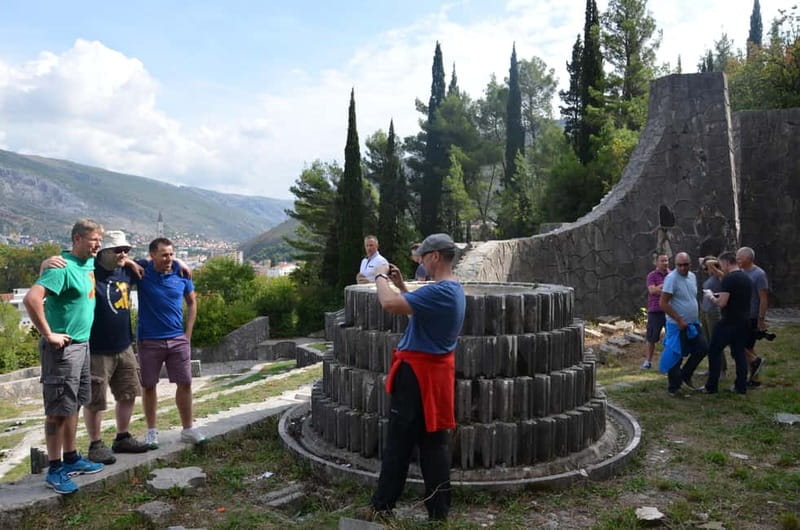
After another short ride (about 15 minutes), you arrive at Španski trg for about 40 minutes guided. This third chapter jumps into the 1980s, with special attention on the 1984 Sarajevo Winter Olympics and why that era is described as the golden era of Yugoslav socialism.
This section works best if you enjoy cause and effect. The guide connects that sense of peak moment to the pressures building underneath. You learn why Yugoslavia’s collapse did not happen overnight, and how economic downturn and rising nationalism set the conditions for conflict.
Then the tour traces how the Yugoslav wars began, first in Slovenia and Croatia, and later escalating in Bosnia and Herzegovina. The tour also closes this chapter with an overview of the Yugoslav dream dissolving, along with the consequences including destruction and loss of lives.
A consideration here: even when the guide is funny, the topic is heavy. If you prefer tours that stay safely in the past without confronting violence, this is the point where you might feel the emotional weight most. I think you will still leave with more clarity than you expect, but be ready for the subject matter to be real.
More around Mostar to weigh up
- Dubrovnik: Kravica Waterfalls, Mostar and Pocitelj Day Trip
★ 4.5 · 3,045 reviews - From Mostar: Blagaj, Počitelj & Kravice Waterfalls Day Tour
★ 5.0 · 1,310 reviews - Discover Herzegovina Day Tour from Mostar: Kravice Waterfalls, Blagaj, Počitelj
★ 5.0 · 742 reviews - From Mostar: Kravice Waterfalls, Blagaj, & Počitelj
★ 5.0 · 565 reviews
Bijeli Brijeg 1 chapter: Bosnia and Herzegovina today and the EU question
The final guided stop is Bijeli Brijeg 1, with about 45 minutes on site. By then, you have moved through the Cold War logic, Tito’s model of socialism, and the slide into conflict. So the last part has one clear job: connect the old story to the country you are standing in today.
Here you look at present-day Bosnia and Herzegovina, including the country’s political structure and the challenges it faces in the beginning of the 21st century. You also explore Bosnia and Herzegovina’s potential membership in the European Union, which gives the ending a practical angle, not just a “and then everything fell apart” wrap-up.
At the walking pace of a tour, the final message lands in a grounded way. You are asked to reflect on remnants of a glorious past next to the complex reality of recovery. The tour ties this to economic, cultural, and political needs, so you finish with a sense of where the story is going rather than only where it ended.
If you like history that stops at the present, this last stop is the one you will remember the longest. It is also where the guide’s balance matters, because the topic is still active in everyday life.
What the music-based, experimental approach adds
The tour is described as experimental in how it uses music to reflect cultural shifts across Yugoslavia’s timeline. I think that design choice is more useful than it sounds. Music compresses time. A song or sound can represent a mood, a generation, and a social identity without requiring a long lecture.
Even if you do not walk away naming artists or years, you will likely feel the pattern: culture changed as politics changed, and people’s hopes shifted with what they believed was possible. That connection is one of the reasons the tour can feel easier to follow than a purely chronological history walk.
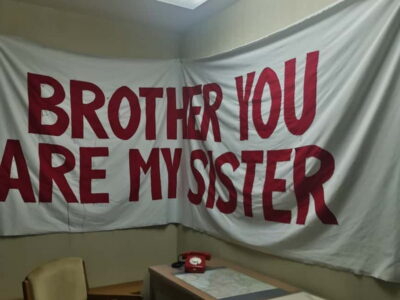
Also, the guide uses visual historical pictures and secret documents during the story. That combination matters because the tour is not only interpretive. It tries to give you something concrete to hold onto, and that helps you avoid the common problem of history tours turning into pure storytelling with no anchors.
Guides who make the story move, and why it matters
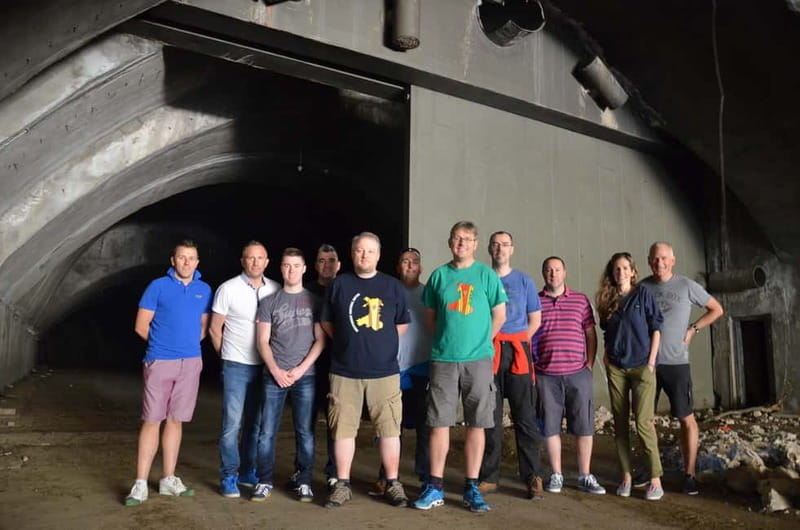
A tour like this lives or dies by the guide. Here, the big praise is about storytelling skill and the ability to explain objectively while still being human. If you get Marco, Marko, or Simon as your guide, you should expect clear English, strong pacing, and explanations that do not talk down to you.
One thing I really like in this setup is that you are not only getting facts. You get anecdotes and a sense that the guide understands Yugoslavia as something lived by multiple generations. One account connects what the guide learned from family experiences across three generations. That kind of personal framing makes the topic feel less distant.
Another praise you should take seriously is humor. When a guide can lighten the mood while still covering war and loss of lives, you get balance rather than emotional whiplash. The goal is not to make light of tragedy. It is to keep the mind engaged so the lessons actually stick.
Finally, the tour includes additional equipment provided by the company staff. That suggests you will have more support than only the guide’s voice, and it fits with the visual materials used on tour.
Transport and timing: exactly how the 150 minutes works
This is a 150-minute experience. That is long enough to feel complete, short enough that you do not lose a whole day.
You start with a van ride, then you have guided time at each secret location, and you return to iHouse Travel at the end. The segments are broken up into manageable chunks:
- short rides between the stops
- guided segments at Gnojnice, Rodoč, Španski trg, and Bijeli Brijeg 1
- a final return to iHouse Travel
The tour uses modern car or van transport, and it has strong quality scoring for that transport. In practical terms, this matters because Mostar can be busy and walking routes can be uneven. Having the group transported keeps the focus where it belongs, on the story and the guided explanations.
What to bring is simple: comfortable shoes. With four stops, you want your feet ready for guided walking and standing time.
Price in perspective: $41 for four guided chapters
At $41 per person, this tour is priced like a short specialized guided experience rather than an all-day travel project. You should think of it as paying for four guided chapters plus transportation.
You are getting:
- transport in modern car or van
- a local tour guide
- additional equipment provided by the company staff
- four guided segments across a roughly two and a half hour timeframe
So the real value equation is not only the topic. It is the fact that you get multiple guided stops at different points in the storyline, without you having to plan routes or hunt for each location. When secret stops are involved, that practical advantage becomes part of the value.
If you are already in Mostar and you want history that moves and connects eras, this price can feel fair. If you only want a slow walk with scenic views and no political or war chapters, then $41 might not buy you what you want. But if the Yugoslavia story is on your mental checklist, the format justifies the cost.
Where to meet iHouse Travel, and how to feel confident finding it
The meeting point is in front of iHouse Travel, a few steps away from the Old Bridge. That is helpful because it ties the start to a known landmark. If you use the provided Google Maps link, you should find it quickly.
If you are visiting Mostar for the first time, plan to arrive a few minutes early so you can settle in and get ready for a tour that starts moving right away. This is one of those experiences where being punctual helps you focus instead of rushing.
Who should book this tour in Mostar
This tour is a good match if you:
- like history that connects politics to everyday life, not only leaders and dates
- enjoy a narrative format with music and visual materials
- want a clear arc from Yugoslavia’s rise to its wars and then Bosnia’s present situation
- prefer a guided experience that takes you to places you would not find alone
It may not be the best match if you strongly dislike war topics or you want only neutral, light sightseeing. The storyline includes the Yugoslav wars and their consequences, so the emotional tone is serious even when the guide uses humor.
Should you book The Death of Yugoslavia in Mostar?
I would book it if you want more than a standard walking tour. The four secret locations, the chapter structure, and the mix of music, photos, and even secret documents give you a memorable way to understand how Yugoslavia changed, then broke apart, then left scars and questions that Bosnia is still dealing with.
Skip it if you only want postcard scenes and you would rather avoid heavy history. Also, if you hate not knowing where you are going ahead of time, the secret-stop design could feel frustrating.
If you are the type who likes to understand what shaped daily life, not only what happened in history books, this tour is one of the best ways to spend 150 minutes in Mostar.
FAQ
How long is the Death of Yugoslavia tour in Mostar?
The tour lasts 150 minutes.
Where does the tour start?
The meeting point is in front of iHouse Travel, a few steps away from the Old Bridge.
Is the tour guided, and what language is it in?
Yes, there is a live local tour guide. The tour is in English.
How many secret locations are visited?
The tour takes you to four secret locations.
What kind of transport is included?
The experience includes transport in a modern car or van.
What should I wear or bring?
Wear comfortable shoes. That is the main item mentioned.
What topics does the tour cover?
It covers Yugoslavia’s rise and fall, the Cold War period and the Informbiro era, Tito’s leadership and people’s lives, the 1980s including the 1984 Sarajevo Winter Olympics, the reasons behind the Yugoslav wars, and Bosnia and Herzegovina today, including its political structure and EU membership potential.
What makes the tour different in style?
It uses an experimental approach with cultural shifts told through music and uses visual historical pictures and secret documents.
What is included in the price?
Transport, a local tour guide, and additional equipment provided by the company staff are included.
Can I cancel and get a refund?
Yes, free cancellation is offered up to 24 hours in advance for a full refund.
Newest Mostar write-ups
- Private Transfer from Mostar to Split★ 5.0 · 3 reviews
- Mystical Sutjeska National Park★ 5.0 · 3 reviews
- Mostar Guided Tour & Sweet Delights★ 5.0 · 3 reviews
- Burek Masterclass in Mostar★ 3.0 · 3 reviews
- All Inclusive Neretva Rafting, Day Tour from Mostar★ 5.0 · 4 reviews
- Mostar Old Town Walking Tour – Best Seller★ 5.0 · 4 reviews
- Authentic Medjugorje Tour★ 4.0 · 4 reviews
- Private Transfer from Mostar and Split★ 5.0 · 5 reviews
Yugoslav History Tours, compared.

Browse the lists this tour appears in