
Sarajevo in one long, guided day feels powerful because you see how the city survived, not just what it looks like. I love the Tunnel of Hope for its firsthand, human explanation of what Sarajevo endured and how the tunnel worked. I also love the Trebević stop, where you can walk on the old 1984 bobsleigh and luge track and look over the city from right near the siege front line. One possible drawback: it is a full 8 to 11 hour day, so if you want slow time in Sarajevo, you may feel the schedule is tight.
The best part is how the day stitches together the old and the new. You start with Konjic and the canyons on the drive in, then you shift into war history, then you finish in Sarajevo’s Old Town where Muslim, Catholic, Orthodox, and Jewish landmarks sit close enough that you can hear different faith sounds in the same walk. Guides like Adnan and Adis bring a very personal war perspective, while Enes adds humor and energy on the street-level history tour, which helps the day stay engaging.
One note before you go: the tour involves walking and time outdoors at Trebević and in Old Town, so wear comfortable shoes and keep your expectations realistic for a long day.
Key things to know before you go
.jpg)
- Tunnel of Hope, Sarajevo Rose, and a 1-hour presentation that explains the tunnel’s creation and the wider Balkan context
- Trebević Mountain views plus Olympic track access, with a meaningful link to the siege front line
- The second-largest Jewish cemetery in Europe, known for distinctive tombstone shapes influenced by stećak traditions
- A guided Old Town walk that connects Ottoman, Austrian-Hungarian, and Yugoslav influences street by street
- Intense topic, told thoughtfully, with guides such as Adnan and Adis reported as war veterans who share lived context
- Lunch is part of the plan but not included, so budget extra for a traditional Bosnian meal
From Mostar to Konjic and into Bosnia’s canyon country
.jpg)
Your day usually starts with hotel pickup in Mostar. The driver will be holding a sign with your last name outside your hotel, and you head north toward Sarajevo in an air-conditioned vehicle.
The first stop is Konjic, one of the oldest towns in Bosnia and Herzegovina. The area has archaeological traces going back about 4,000 years, and written documents show up as far back as the 14th century. But the town as you see it today really takes shape once the Ottomans enter the story. It is a quick introduction, but it matters because it sets the theme for the rest of the trip: layered history, not a single chapter.
The drive itself is part of the experience. You pass through Bosnian canyons, mountains, and lakes, plus historic towns along the way. Even when you are only half paying attention because you are concentrating on the time schedule, the scenery helps you understand why Sarajevo was so strategically and dramatically affected during the siege.
Other visits to the tunnel museum:
- Fall of Yugoslavia, Sarajevo War Tour with Tunnel of Hope Museum and Frontlines
★ 5.0 · 1,314 reviews - Sarajevo: Tunnel Museum Yugoslavia War Tour with War Veteran
★ 5.0 · 1,111 reviews - Sarajevo: Tunnel of Hope Tour – Survival and Resilience
★ 4.8 · 630 reviews
Tunnel of Hope Museum, Sarajevo Rose, and that 1-hour presentation

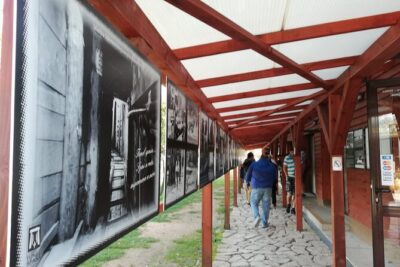
If you only take one stop from this day, make it the Tunnel of Hope Museum. You arrive and see the museum’s setting and the famous mark in front of the entrance called Sarajevo Rose. That visual detail helps you orient fast, and it is a strong start before you even go inside.
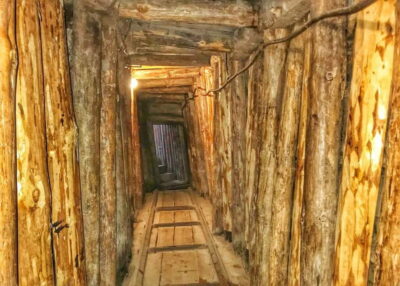
Inside, the museum sequence begins with a short movie, then you move into a presentation that lasts about an hour. The focus is the fall of Yugoslavia and the wars in Slovenia, Croatia, and Bosnia and Herzegovina, and then how the tunnel’s creation ties into Sarajevo’s survival. The museum doesn’t treat the tunnel as a simple engineering story. It frames it as a lifeline tied to daily life under pressure.
One reason this portion of the day earns top marks is the way guides handle it. In the accounts I was given, the Tunnel of Hope guide has sometimes been a war veteran. Names like Adnan and Adis have come up, and that first-hand context can make the facts hit harder. You still get the structured museum explanations, but your guide is able to add lived perspective and answer questions in plain language, not scripted hype.
Practical tip: plan to sit and listen carefully. This part is not the time to multitask with your phone. If you prefer museums that move quickly, this still can work, but you will want to stay mentally present.
Also, the tour includes skipping the ticket line for this stop, so you waste less time standing around and more time learning.
Trebević Mountain, the 1984 track, and panoramic siege-era viewpoints
.jpg)
After the museum, you head to Trebević Mountain. This mountain sits very close to central Sarajevo, and it also mattered during the siege. That is the key connection for your visit: the same terrain that gives you sweeping views also shows why the city faced intense pressure.
Here you get the chance to see and walk on the former bobsleigh and luge track from the 1984 Winter Olympics. It is an unusual experience because you are not just looking at a site from a distance. You can physically be on the track area, with the city spread out below you.
You will likely feel two things at once while you are there. First, the views really are spectacular, especially when the weather cooperates. Second, the place feels serious because it was tied to positions used during the siege. Standing where athletes once trained and where the conflict lines ran gives the day a different emotional tone than the museum did.
What to watch for: wear comfortable shoes. The terrain around mountain viewpoints can be uneven, and you are also trying to time your walking for photos without slowing the group too much. Bring a layer, even if Sarajevo looks mild when you leave the car, because mountain air can feel cooler.
The second-largest Jewish cemetery in Europe and stećak-shaped tombstones
.jpg)
Just under Trebević Mountain is the Jewish cemetery, described as the second-largest Jewish cemetery in Europe. This stop is brief compared with the museum, but it is memorable because of what makes the tombstones distinct.
The cemetery’s tombstones have unique shapes that many people only know from seeing them in Bosnia and Herzegovina. It is believed the shapes reflect influence from medieval Bosnian tombstones called stećak, and that connection helps explain why this cemetery is not just another graveyard stop. It is also a cultural clue about how regional artistic traditions show up across communities.
Because the day is already full, this is a place where you have to decide how you want to experience it. If you like quiet pauses, take a few minutes to walk slowly and let the shapes register. If you prefer faster context, you can focus on the guide’s explanation and use photos to lock it in later.
Either way, keep the mood respectful. This is a place where silence is part of the meaning.
More around Mostar to weigh up
- Tunnel Museum: Bosnian & Yugoslav Wars Tour with War Veteran
★ 5.0 · 551 reviews - Cable Car Olympic Tour With Museum
★ 5.0 · 17 reviews - SARAJEVO CONCEPTUAL ART TOUR (galleries, art and arhitecture)
★ 5.0 · 7 reviews - Sarajevo: A City Under Siege – War Tour With Tunnel Museum
★ 5.0 · 4 reviews
Sarajevo Old Town walking tour, mixed faith sounds, and WWI trigger context
.jpg)
After the Jewish cemetery, you head into Sarajevo Old Town for lunch and then a guided walking tour. The tour is designed so you can cover a lot of meaningful ground on foot without needing to plan routes yourself.
First, lunch. You go for a traditional Bosnian lunch in Sarajevo Old Town, but the meal cost is not included. So treat lunch as an expected add-on, not a surprise. The value here is not just food, it is that you do not lose time figuring out where to eat between stops.
Then the walking tour starts. This is where you see the city’s layered identity up close. Your guide explains the mix of Oriental, European, and Yugoslav influences, and you notice the different religious and cultural architecture close to each other. In the accounts I was given, guides like Enes were especially good at keeping the walk lively, with humor and memorable storytelling.
A key detail you should expect: the landmarks and sounds overlap. You can be hearing Muslim calls to prayer while church bells are ringing nearby. That simultaneous soundscape is not a gimmick. It helps you understand how Sarajevo lived, and still lives, as a multi-faith city.
Your guide also connects major events to the street-level story. You learn about the assassination that triggered World War I, and you get context for how Muslims and Jews protected each other through different wars. It is the kind of information that makes history feel local, not distant.
Timing and logistics for an 8 to 11 hour day from Mostar
.jpg)
This is not a quick out and back. You are signing up for a long day, typically 8 to 11 hours, driven by the distance between Mostar and Sarajevo and the amount of guided stops built in.
Here is why that timing matters for you:
- You will spend a meaningful chunk of the day in transit. The air-conditioned vehicle helps, and the bottled water keeps you comfortable.
- The museum and Trebević stops eat most of the energy because they require focus and walking.
- Sarajevo Old Town is done on foot, and the day keeps moving, so you are not going to linger for hours in any one neighborhood.
One small caution from the experiences shared: a few people felt there could have been more time in Sarajevo. If your priority is shopping, long café sits, or photographing from every angle with no rush, you might find the schedule leaves you wishing for extra hours.
Also, pay attention to the return arrangement. The tour includes a train ticket back to Mostar for the round trip option. Some days run smoothly, and you might be dropped off where you expected, but the only way to avoid surprises is to confirm the exact end point for your hotel before you go.
Price and value: what you really get for around $76
.jpg)
At about $76 per person, the value comes from how much is included for the amount of travel.
You get:
- Hotel pickup and drop-off in Sarajevo, plus the Mostar pickup setup
- An English-speaking live tour guide
- Air-conditioned transportation
- Bottle of water
- Museum ticket line skipping
- Train ticket back to Mostar for the round trip option
Then you pay separately for:
- Tunnel of Hope Museum entrance fee
- Lunch
- Personal expenses
When I look at tours like this, I treat those separate costs as the real add-on. But even with extra spending for the museum entrance and lunch, you are still paying for a guided day with transport, multiple major stops, and structured learning. The value is strongest if you do not want to plan Sarajevo logistics yourself and you want the tunnel and Old Town explained by someone who can connect the dots.
Who should book, and who should skip this day trip
.jpg)
This tour is a great fit if:
- You want a single day that covers major Sarajevo highlights with a guide
- You are interested in the siege-era story, including how survival efforts worked in practice
- You like walking tours and noticing how architecture reflects different cultures
- You appreciate guides who share real perspective, including war veteran style storytelling such as those associated with Adnan and Adis
You might want to skip or at least ask lots of questions if:
- You have mobility constraints. The provided info says wheelchair accessible, but it also says it is not suitable for people with mobility impairments. That conflict means you should confirm the details directly with the operator before booking.
- You get tired with long days or you want lots of free time in Sarajevo. This is a guided schedule with limited slack.
Final call: should you book the Sarajevo Grand Tour with Tunnel of Hope?
.jpg)
I think you should book if you want the most meaningful version of Sarajevo you can fit into one day from Mostar. The Tunnel of Hope stop is the anchor, Trebević adds a rare physical experience with big views and siege context, and the Old Town walk ties it together with mixed faith architecture and street-level history.
Skip it if you can’t handle a long, structured day or if intense war storytelling will weigh too heavily for your trip mood. Also check mobility details carefully because the provided notes are contradictory.
If you do book, I’d show up with two goals: listen closely at the museum, and slow down just enough in the Old Town walk to notice the different buildings and the overlapping calls to prayer and bells. That is where Sarajevo stops feeling like a name on a map and starts feeling real.
FAQ
Where do you get picked up in Mostar?
Pickup is outside your hotel in Mostar, and the driver holds a sign with your last name on it.
How long is the tour from Mostar to Sarajevo?
The duration is listed as 8 to 11 hours, depending on availability and starting times.
What are the main stops during the day?
You visit Konjic, the Tunnel of Hope Museum, Trebević Mountain with the former 1984 Olympic bobsleigh and luge track, a Jewish cemetery, and Sarajevo Old Town for lunch and a walking tour.
Is lunch included?
Lunch is part of the plan, but lunch is listed as not included, so you should budget for the meal.
Is the Tunnel of Hope ticket fee included?
No. The entrance fee for the Tunnel of Hope Museum is not included, although the tour includes skip-the-ticket-line access.
What does the Tunnel of Hope museum experience include?
After a short movie, there is a presentation lasting about 1 hour explaining the fall of Yugoslavia, wars in Slovenia, Croatia, and Bosnia and Herzegovina, and the creation and importance of the tunnel.
Does the tour include transportation back to Mostar?
For the round trip option, the tour includes a train ticket back to Mostar.
What language is the tour guide?
The live tour guide is English-speaking.
Is the tour wheelchair accessible?
The information includes wheelchair accessible, but it also states it is not suitable for people with mobility impairments. If you have mobility needs, confirm specifics with the operator before booking.
What should I bring?
Bring comfortable shoes, since you will be walking during the day.
Newest Mostar write-ups
- Private Transfer from Mostar to Split★ 5.0 · 3 reviews
- Mystical Sutjeska National Park★ 5.0 · 3 reviews
- Mostar Guided Tour & Sweet Delights★ 5.0 · 3 reviews
- Burek Masterclass in Mostar★ 3.0 · 3 reviews
- All Inclusive Neretva Rafting, Day Tour from Mostar★ 5.0 · 4 reviews
- Mostar Old Town Walking Tour – Best Seller★ 5.0 · 4 reviews
- Authentic Medjugorje Tour★ 4.0 · 4 reviews
- Private Transfer from Mostar and Split★ 5.0 · 5 reviews
Tunnel of Hope Tours, compared.
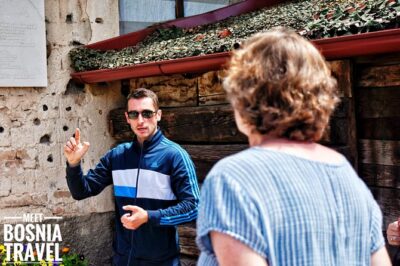
Fall of Yugoslavia, Sarajevo War Tour with Tunnel of Hope Museum and Frontlines
Read our review →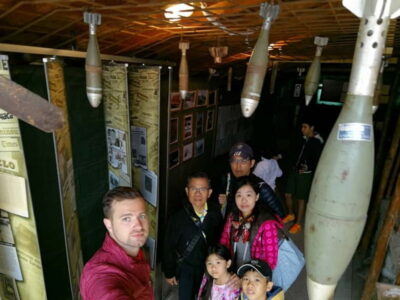
Tunnel Museum Yugoslavia War Tour with War Veteran
Read our review →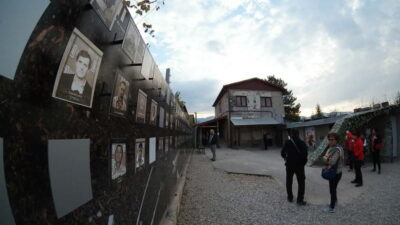
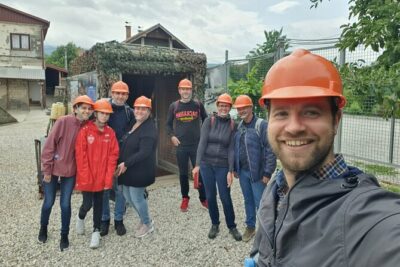
Tunnel Museum: Bosnian & Yugoslav Wars Tour with War Veteran
Read our review →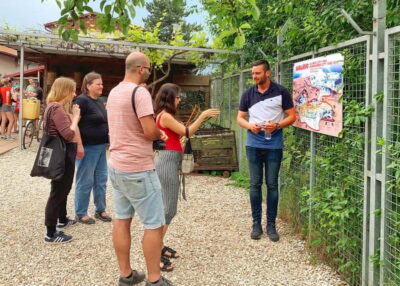
Bosnian War & Fall of Yugoslavia Tour with Tunnel
Read our review →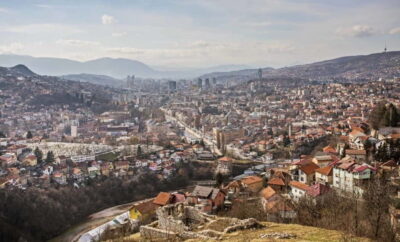
Guided City Highlights Tour with Sarajevo Tunnel
Read our review →Browse the lists this tour appears in