
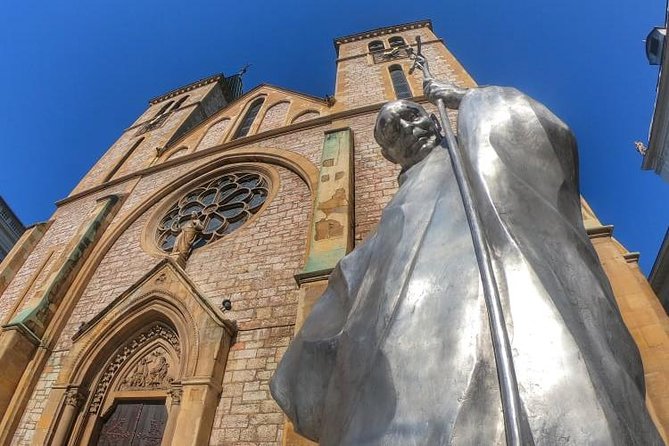
Reviewed · OLYMPIC MOUNTAIN TOURS
Sarajevo Grand Tour: Old Town, War Tunnel, Olympic Sites & More
What makes this Sarajevo Grand Tour interesting is how it connects the Ottoman Old Town streets to the War Tunnel story of the 1990s siege, then adds the Trebevic Olympic bobsleigh track for big views. I like that it includes hotel pickup by private vehicle plus bottled water and Bosnian coffee, so you stay comfortable while you cover a lot of ground. One consideration is that the Sarajevo War Tunnel Museum entry fee is not included, and you will be walking at multiple stops.
The guides can make or break a half-day tour, and this one earns consistent praise for energetic, story-led explanations from guides like Enes and Elvis. If you want one organized plan that ties the city together, this format fits nicely. Just remember that Sarajevo is hilly in places, so even with driving, the day still feels active, not leisurely.
Key highlights worth planning for
- Hotel pickup and private vehicle transport keeps the day efficient, especially for Trebevic.
- Bosnian coffee included, with a traditional coffee moment during the Old Town portion.
- Old Town walking plus short driving hops, so you see more than a pure city-stroll tour.
- War Tunnel experience includes a short film and a walk through part of the tunnel, with the museum fee extra.
- Olympic bobsleigh and luge track stop gives you the photo-friendly Trebevic payoff.
- Multiple faiths and cultural landmarks in one loop, including the Gazi Husrev-beg area and key memorial sites.
Why This Sarajevo Grand Tour Works When Time Is Tight
Sarajevo has layers, and this tour is designed to move through them without making you plan a thing. You start in the Old Town, where Ottoman-era streets, fountains, and marketplaces still shape how you feel the city. Then the route pivots toward the wartime story, with the War Tunnel and related viewpoints, before ending with a lighter but still meaningful shift to the Olympic track area.
If your goal is to get your bearings fast and understand why Sarajevo looks the way it does, this is a smart structure. You spend enough time walking to feel the neighborhoods, but you also get private-vehicle transport to avoid turning your day into a leg workout.
Other visits to the tunnel museum:
- Fall of Yugoslavia, Sarajevo War Tour with Tunnel of Hope Museum and Frontlines
★ 5.0 · 1,314 reviews - Sarajevo: Tunnel Museum Yugoslavia War Tour with War Veteran
★ 5.0 · 1,111 reviews - Sarajevo: Tunnel of Hope Tour – Survival and Resilience
★ 4.8 · 630 reviews
Price, Duration, and What Makes It Good Value
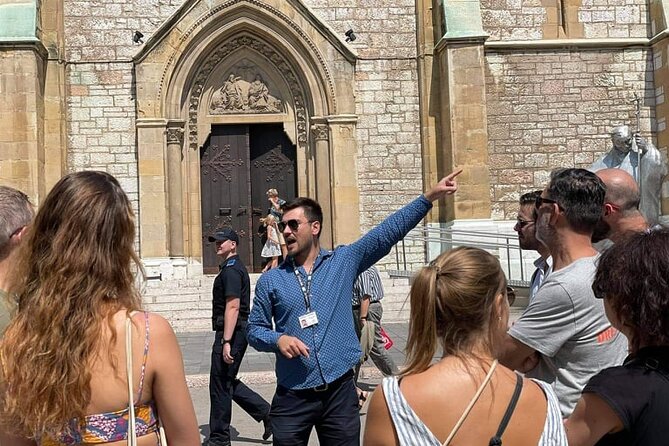
The price is $47.06 per person for about 5 hours. That might not sound like a steal until you look at what you actually get: hotel pickup, private vehicle transport, a local guide, bottled water, and Bosnian coffee, plus a full sequence of major sights.
The main extra cost to plan for is the War Tunnel Museum admission (listed as €10.50 per booking). Many other stops are free to visit, including outdoor views and key landmarks like Vijecnica from the outside, the Gazi Husrev-beg mosque complex areas, and the covered market stop.
So the value equation is this: you are paying for organization, a guided explanation at each stop, and transportation between areas. If you were trying to self-guide everything, the hardest part is not knowing what to see, it is timing and getting to the far viewpoints without wasting hours.
Pickup, Group Size, and the Pace You Should Expect
This is a small-group tour with a maximum of 15 travelers. That matters in Sarajevo. In tight Old Town lanes and around popular viewpoints, a smaller group usually means fewer bottlenecks and more room for the guide to adjust the pace.
You start at 9:00 am and you can be picked up from your hotel lobby or another location in Sarajevo. Because you are walking part of the time and driving between stops, you should plan for comfort first. Choose shoes you can trust on uneven stone and slight inclines.
Also, be aware that Sarajevo days can change with weather. One of the operational considerations is that the Trebevic section can be adjusted depending on conditions, which can affect how much walking you do in that area.
Old Town Orientation: City Hall to Seher Cehaja Bridge
You begin with an orientation to Sarajevo, then ease into the Old Town with a guided introduction. The tour starts at Sarajevo City Hall, the Vijecnica, and you see it from the outside. Even from outside, it helps anchor the Old Town visually, because it sits where the city’s civic identity meets its older streets.
From there, you move to several classic Old Town moments:
- Inat kuca (Spite House), a small landmark that carries a big story about local character and everyday attitudes.
- Miljacka River, which is more than a scenic element. It is part of how the city’s routes and neighborhoods make sense.
- Seher Cehaja Bridge, a quick but iconic crossing that frames the area you will explore next.
This segment is a good warm-up. It gives you names, geography, and a mental map before the tour starts stacking sights quickly.
More time on the 1984 mountains:
- Sarajevo Full Day Tour: History, Culture, Nature, War & Olympics
★ 5.0 · 27 reviews - Sarajevo: Olympic Mountains and Spring of Bosna River Tour
★ 5.0 · 25 reviews - Sarajevo Grand Tour: 5 Hours Old Town, War Tunnel, Olympics
★ 5.0 · 18 reviews - Cable Car Olympic Tour With Museum
★ 5.0 · 17 reviews
Kazandziluk to Bascarsija: Cevapi and Pita Food Street Energy
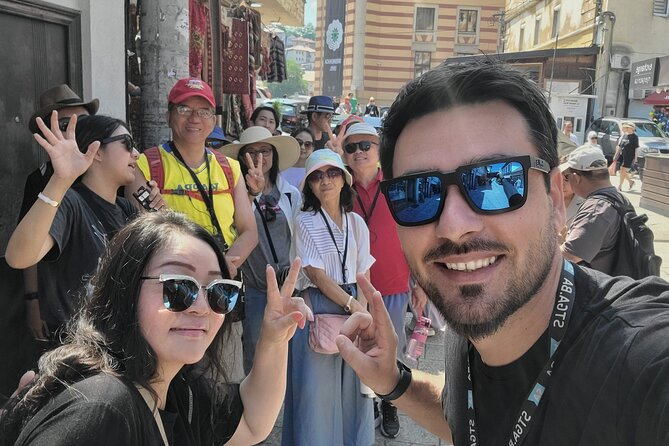
Next you head through the pedestrian zone in the Kazandziluk area. This is where Sarajevo starts to feel like an everyday city, not just an itinerary.
You pass through locksmith street, which functions as a famous food street. The tour includes time for tasting local favorites like cevapi and pita-burek, plus sweets and coffee. Even if you do not eat a ton, this stop helps you experience the city’s flavor habits in a way that matches what locals still do.
Then you visit coppersmith street and go into a coppersmith shop for a short presentation about the craft. This is the kind of pause that makes the Old Town feel human and specific, not generic.
You finish the Old Town core at Bascarsija, Sarajevo’s main square. One highlight is the Sebilj fountain, known for providing free water to travelers for centuries. When you stand in Bascarsija with the guide’s context, it clicks why this space stays central in Sarajevo life.
Morica Han: Ottoman Caravansaray Coffee and Small-Town Calm
The route continues along the promenade toward Morica Han, where you browse small shops, souvenirs, and places to grab coffee. But the real reason to care here is the stop inside the 16th-century Ottoman caravansaray.
In the caravanserai, you get a traditional coffee moment tied to stories about Bosnian traditions. This is one of the stops that turns the day from sightseeing into understanding how people lived, waited, traded, and built community in older Sarajevo.
It is also a nice break in the rhythm. After walking the Old Town streets, you get a quieter pocket where the guide can slow down and explain without rushing you out immediately.
Gazi Husrev-beg Mosque Complex: Garden Courtyard to Lunar Clock Tower
The tour then focuses on the Gazi Husrev-beg Mosque area, one of the city’s best-known cultural and religious landmarks.
You spend time around:
- The mosque garden, including the mosque and minaret area, plus the story of Gazi Husrev-bey
- The Sadrvan fountain
- The Medresa (Islamic school)
- The Lunar Clock Tower
You are not just ticking off buildings here. The guide’s job is to connect why these elements sit together and how they represent a long period of Ottoman-era civic and religious life.
If you prefer sites where the architecture makes sense as a system, this stop is a strong one. Also, if you want photos, the garden and courtyard angles usually reward you.
Latin Bridge, Bezistan Market, and the Meeting of Cultures
Now the tour leans into the places where Sarajevo’s modern identity and its wartime memory intersect.
At Latin Bridge, you pass by the oldest public toilet in the country, a working 16th-century structure, and then you reach the bridge tied to the story of the assassination that reshaped European history. The stop is short, but the setting is powerful because the guide gives you the why behind the landmark.
Next comes Gazi-Husrev Beg’s Bezistan, a 16th-century covered market. You also pass key related points:
- Taslihan ruins, described as the ruins of the largest caravansaray
- Hotel Europe (passed along the route)
- The Bezistan covered market itself
Then you reach Sarajevo Meeting of Culture, described as the place where east meets west. This stop is brief by design, but it helps you interpret what you are seeing around you rather than just moving onward.
Jewish Museum Exterior, Cathedral Promenades, and Sarajevo’s Multiple Threads
This tour includes several moments that recognize different communities without turning the day into a lecture marathon.
You stop at the Jewish Museum of Bosnia and Herzegovina for an outside visit, with background on the Hagadah book and stories of living together. It is not the kind of stop that requires you to be an expert to appreciate it. The guide’s explanation is what makes it land.
Then you walk Ferhadija promenade toward Sacred Heart Cathedral (outside visit). You also pass Sarajevo roses and the John Paul Statue.
There is also a stop outside Sarajevo’s Serbian Orthodox Cathedral, again brief but meaningful as you build a picture of Sarajevo as a city with multiple faith landmarks within reach.
And then you reach the marketplace area at Pijaca Markale, where the setting is tied to the massacre during 1992 to 1995. You also pass Hamam along the way. This is one of the emotionally heavier stops, and you will feel it more because you have been building context for the city all morning.
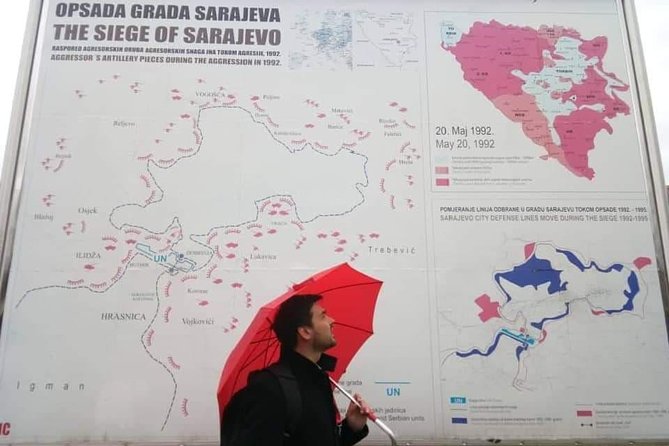
Sarajevo War Tunnel: The Siege Story in a Walk-Through Format
The most direct wartime stop is Sarajevo War Tunnel.
Before you reach it, you pass:
- Sniper Alley
- The Second Entity of Bosnia and Herzegovina, the Republica Srpska (RS)
- Sarajevo Airport
Then the tunnel experience begins with a presentation and a short movie about the siege and tunnel. After that, you walk through part of the tunnel. That walk-through element is the difference between hearing about the siege and physically understanding how it functioned.
Important practical note: the museum admission is not included. It is listed as €10.50 per booking. If you know you want to do the tunnel, plan that small extra cost in advance so you are not making a decision on the day.
This stop is also where the guide’s stories matter most. Many people come expecting history facts. The better experience is when the guide helps you see why a tunnel could be life-saving, not just historically interesting.
Trebevic Olympic Track and the Best View Stops: Bobsleigh to the Yellow Fortress
After the tunnel, you head toward Trebevic. The tour drives about 15 to 20 minutes up the mountain area, passing war frontlines along the way.
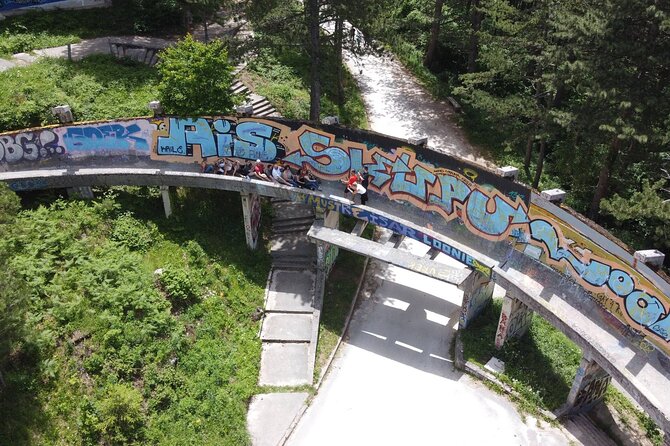
Then you do a short walk to the bobsleigh area and get time for photos at the track. This is often the highlight for the “I need something visual and dramatic” part of the day. It also gives you a break from the heavier tone, even though the surrounding context is not forgotten.
The last viewpoint section focuses on war memory and scale:
- Jewish Cemetery Sarajevo, including a stop at Snipers nest, looking down toward the city center and sniper alley. The stop also includes a look at the war hotel area as part of the story.
- The Yellow Fortress, described as offering one of the most amazing views of Sarajevo. This is a final big look down over the city, and it helps everything you saw earlier snap into one mental picture.
You finish with a drop-off back in the Old Town, which is handy if you want to continue exploring on your own afterward.
What’s Included vs. What You Pay Extra
Included in the tour:
- Bottled water
- Bosnian coffee
- Local guide
- Transport by private vehicle
- Hotel pickup
Not included:
- Tips
- Sarajevo War Tunnel Museum admission fee, listed as €10.50 per booking
This is one of the tours where the included items actually matter. Coffee and water do not sound like big ticket value, but they keep you from feeling spent before the tunnel and Trebevic segments.
Guides You Might Get, and How That Impacts Your Day
Because this is a storytelling-focused tour, the guide personality is part of the product. Names that come up strongly include Enes and Elvis, praised for pacing, clear explanations, and the kind of humor that makes a heavy subject easier to process without reducing it.
Other names also show up with different strengths, like Adnan being associated with war-related stops, and Zulfo being mentioned for keeping younger travelers engaged. You do not control who you get, but you can control your expectations: show up ready for a talk-led day, not a silent photo march.
Who This Tour Is Best For (and Who Might Want to Skip)
This is ideal for:
- First-time visitors who want a guided orientation quickly
- People who want both Old Town charm and the wartime story in one afternoon
- Anyone who values efficiency, thanks to hotel pickup and private-vehicle transport
It might be less ideal if:
- You strongly prefer a slow, sit-down style tour
- You plan to spend long periods inside buildings only, since several key stops are outside visits and some experiences are time-limited by the day’s structure
- You dislike walking on uneven ground, since the tour includes multiple walk segments
Should You Book the Sarajevo Grand Tour?
Yes, if you want the quickest path to understanding Sarajevo as a city of real daily life, layered cultures, and living memory. The mix of Old Town orientation, a guided War Tunnel walk-through, and the Trebevic Olympic track payoff is a rare pairing that works well for a half-day schedule.
If you hate extra fees, double-check the War Tunnel museum admission you need to budget. If you want to avoid any chance of feeling rushed, wear good shoes and keep your expectations realistic: this is a full 5-hour plan with frequent stops, not a relaxed stroll.
FAQ
What time does the Sarajevo Grand Tour start?
The tour starts at 9:00 am.
How long is the tour?
The duration is approximately 5 hours.
Is pickup included?
Yes. Hotel pickup is included, and pickup is available from the hotel lobby or any other location in Sarajevo.
What does the tour include for food and drinks?
You get bottled water and Bosnian coffee included.
Is the Sarajevo War Tunnel Museum ticket included?
No. The War Tunnel Museum admission fee is not included and is listed as €10.50 per booking.
How many people are in the group, and what language is the tour in?
The tour is in English and has a maximum of 15 travelers.
Is there free cancellation?
Yes, free cancellation is available. You can cancel up to 24 hours in advance for a full refund.
Newest Sarajevo write-ups
- Sarajevo to Zagreb: One-Way Tour via Jajce, Travnik, Pliva Lake and Watermills★ 5.0 · 3 reviews
- Sarajevo E-Bike City Tour★ 5.0 · 3 reviews
- Mountain Village Lukomir Full Day Adventure Tour★ 5.0 · 3 reviews
- Bosnian Kingdom Capitals: Travnik & Jajce Tour from Sarajevo★ 5.0 · 3 reviews
- Strbacki Buk and Una Waterfalls: Day Trip from Sarajevo★ 5.0 · 3 reviews
- Sarajevo Old Town: Bosnian Coffee, Baklava & Panoramic Views★ 5.0 · 3 reviews
- Sarajevo Snowshoeing Adventure★ 5.0 · 3 reviews
- 4 Hours Tara Rafting Trip★ 5.0 · 3 reviews
Olympic Mountain Tours, compared.
Olympic Mountains and Spring of Bosna River Tour
Read our review →
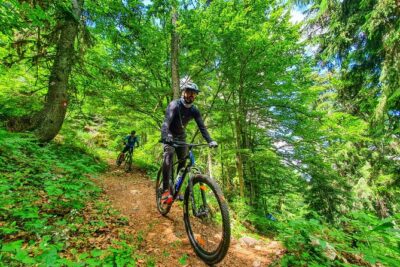
Trebevic Mountain Biking Tour from Sarajevo – Bobsleigh Track
Read our review →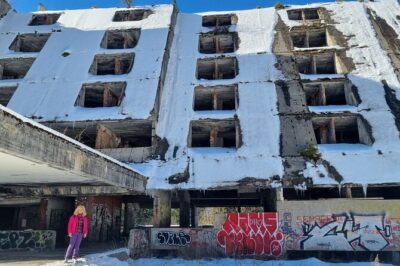
1984 Winter Olympics Site & Vrelo Bosne Day Trip
Read our review →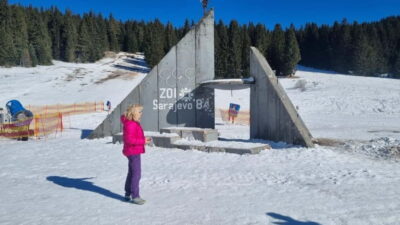
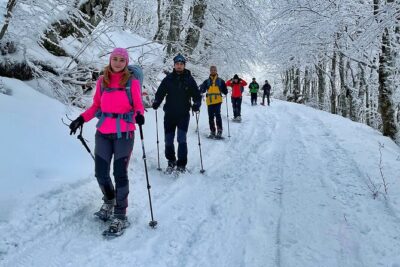
Experience Snowshoeing in Olympic Mountain Bjelašnica
Read our review →Browse the lists this tour appears in