
Reviewed · HISTORICAL TOURS
Sarajevo: Jewish Heritage Tour with Entry Tickets
This Sarajevo Jewish Heritage Tour is interesting because it doesn’t treat Jewish history as a single building or a single date. You connect 500 years of community life to the real streets of Sarajevo, from trade and schools to war-time survival and memory. When guides like ARNA (or Ahmed) lead, you get clear stories, strong context, and real answers, not just a quick overview.
I especially like the way the tour starts with the Jewish Museum of Bosnia and Herzegovina in the Old Jewish Temple, then keeps widening the view into Old Town landmarks and living community sites. I also love that you end at the Jewish Cemetery, where the past is still physically present and explained with care. The main drawback to consider is timing: key sites like synagogues have day-by-day opening rules, so your day of the week matters.
You’re in good hands with a licensed guide accredited by the Jewish community of Bosnia and Herzegovina, and the group is intentionally small (limited to 8). It’s a compact 3-hour format, so wear shoes you can walk in, and bring weather-appropriate clothing.
4-6 key things I’d pick this tour for
- Five centuries of Sarajevo Jewish life, from Ottoman-era community rules to later hardships and rebuilding
- Museum time that matters, starting in the Old Jewish Temple and including the New Temple Gallery
- Sephardi influence you can actually see, tied to crafts and song traditions like sevdalinka and links to Sephardi religious music
- Ashkenazi heritage made practical, including the Ashkenazi Synagogue and former synagogue buildings repurposed in the city
- The Sarajevo Haggadah stop, a major artifact with a specific journey to Sarajevo and a narrow opening window
- A cemetery visit with layered context, covering Sephardic and Ashkenazi burials plus World War II and the 1990s Bosnian War
Entering the Old Jewish Temple: the museum that sets the timeline
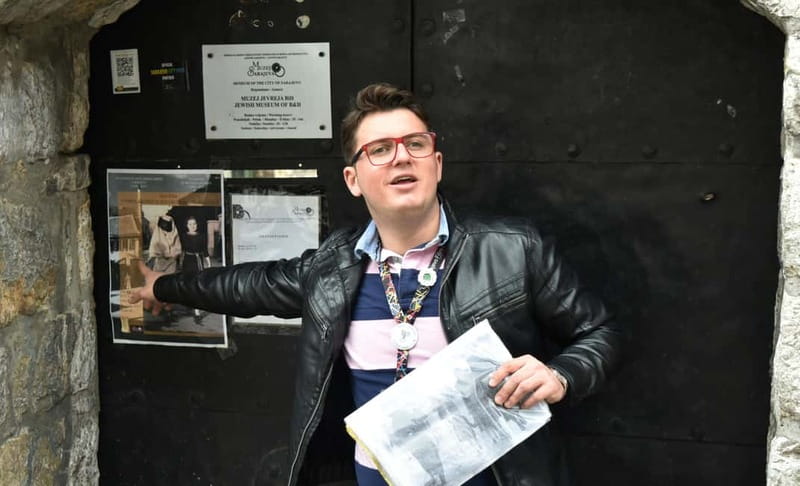
The tour begins at the Old Jewish Temple, today the Jewish Museum of Bosnia and Herzegovina. This opening matters because it gives you a framework right away. You’re not just walking from photo spot to photo spot. You’re building a chronological sense of how Sarajevo’s Jewish community developed, grew, traded, adapted, and endured.
In this first stretch, you focus on roughly five centuries of Jewish presence in Sarajevo. The guide helps you understand why Sarajevo became such a key Jewish center under the Ottoman Empire, where Jewish communities were often treated as acknowledged “people of the book.” The tour also emphasizes the practical side of community life: autonomy, communal organization, trade, and the ability for communities to purchase real estate.
You’ll also hear how Sarajevo’s Jewish story connects to the wider Ottoman world, including the idea that Jewish merchants helped shape commerce patterns. Then the tour makes you think about culture, not only economics. Music comes up, including sevdalinka, and the guide connects it to Sephardi religious song traditions. Even if you’ve never studied this topic before, the museum stop helps you see how everyday art forms carry identity.
Practical note: the Old Jewish Temple has specific opening hours and is closed on certain days, so this is one of the first places where the day-of-week can affect what you can visit.
Sephardi influence on Sarajevo streets: crafts, trade, and song
After the museum, the tour shifts into walking mode through Sarajevo’s Old Town. This is where the experience becomes more personal. Instead of learning only from exhibits, you learn from the city itself.
A big theme here is Sephardi influence, and the tour doesn’t treat it like a vague label. It points to crafts that Sephardi Jews brought to the city, and it connects those crafts to how trade and migration shape a neighborhood’s identity. You also learn about the cultural overlap between Bosnian traditions and Jewish ones, especially through music.
The guide ties sevdalinka to links with Sephardi religious songs, which is a smart way to make history feel lived-in. You start to hear the same melodies and rhythms as part of a broader human story, not just something local you happened to listen to.
Along this Old Town stretch, you may also pass or focus on landmarks tied to Jewish life and education, including places such as the first Jewish school and other notable historic addresses. The tour highlights several specific sites, including:
- Jewish Villa AMA in Sarajevo
- Ješua D. Salom Mansion
- and the Salom family connection through important historic buildings
If you’re the kind of traveler who likes context more than trivia, you’ll probably enjoy this section most. The route is designed to show how community institutions, wealthy residences, and everyday commerce worked together in the city.
More around Sarajevo to weigh up
- East Bosnia & West Serbia UNESCO heritage day tour from Sarajevo
★ 5.0 · 55 reviews - Sarajevo Full Day Tour: History, Culture, Nature, War & Olympics
★ 5.0 · 27 reviews - Sarajevo genuine walking tour: Steps through history
★ 5.0 · 22 reviews
Ashkenazi synagogue and the city’s repurposed Jewish buildings
Next comes the Ashkenazi Synagogue, the only active synagogue in Sarajevo today. This stop is powerful because it anchors the tour in the present, even while you’re talking about centuries past. The guide helps you understand what changed over time, including how different Jewish groups arrived and contributed their own traditions.
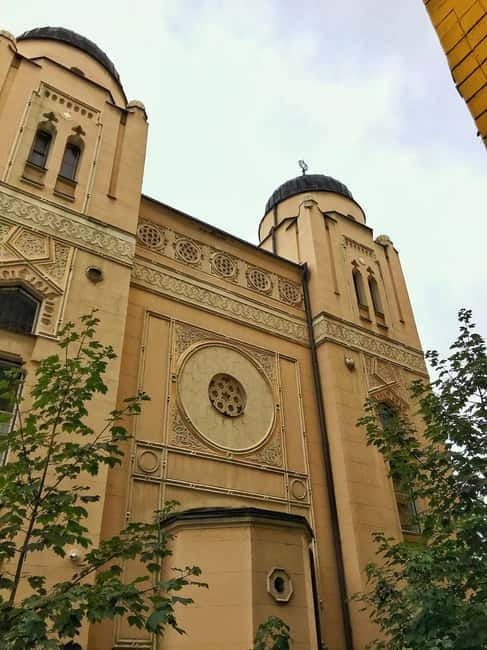
You’ll also visit or discuss former synagogue buildings, including a grand Jewish temple building that today functions as the Bosnian Cultural Center. One detail I liked from the way the tour is described is the attention to architecture, including its Moorish-style character. It’s the kind of visual clue that helps you picture the community’s confidence and public presence.
This is also where the tour makes a clear distinction between Sephardi and Ashkenazi heritage. You learn about Ashkenazi arrival and how their traditions left a mark on Sarajevo. Even if you think you know the difference between these communities only in broad strokes, the guide’s explanations help it click.
Day-of-week matters again here. The Ashkenazi Synagogue is closed on certain days, including Saturdays and Sundays, while the Old Jewish Temple can have different opening hours. If your travel days are fixed, double-check your schedule so you do not get disappointed by a missed stop.
The Sarajevo Haggadah: when one manuscript carries centuries of travel
One of the most memorable stops on this tour is the Sarajevo Haggadah at the National Museum of Bosnia and Herzegovina. This isn’t a generic “museum artifact” moment. You learn the story of a specific manuscript compiled in 14th-century Barcelona, brought to Sarajevo by a Jewish family in the 16th century.
That timeline detail matters. It shows how Sarajevo’s Jewish heritage wasn’t isolated. It was connected through families, texts, and migration routes. The guide explains how the Haggadah survived wars and remained vital as an artifact, which is especially moving when you consider the broader history of Bosnia.
Important practical reality: the Haggadah has limited viewing times. It’s open Tuesdays and Thursdays from 12:00 to 13:00, and it’s accessible on the first day of each month (hours can change). If your tour day doesn’t line up with that window, you might still see the National Museum context but may not get the Haggadah viewing. This is one of those cases where timing can be the difference between a good stop and a standout stop.
Walking into the Sarajevo Jewish Cemetery: WWII memory and the 1990s war
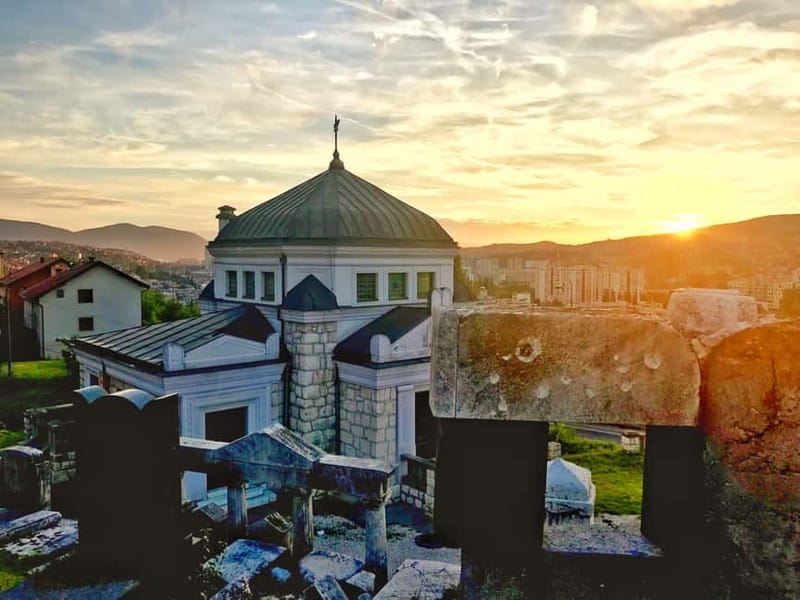
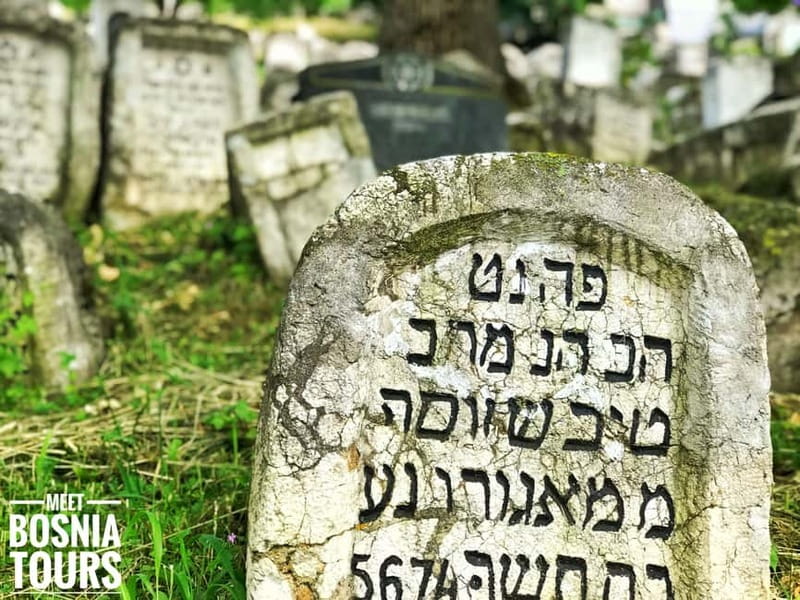
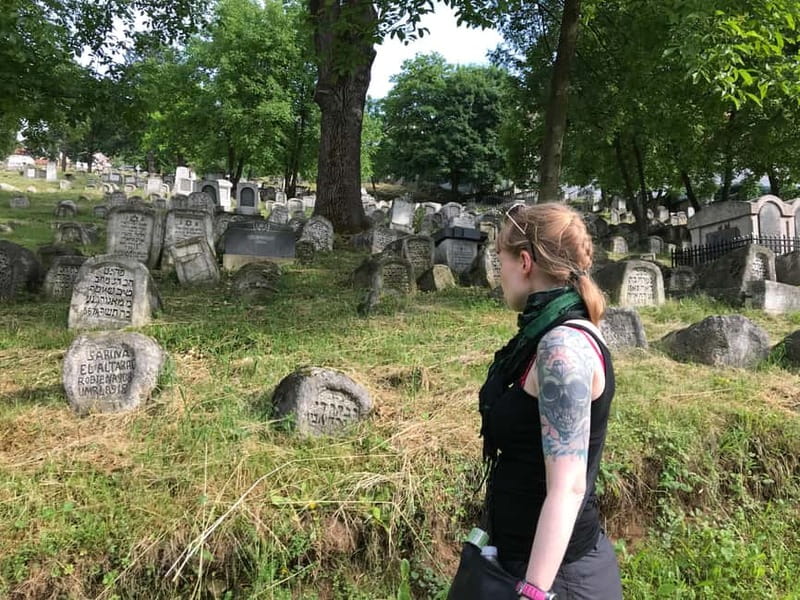
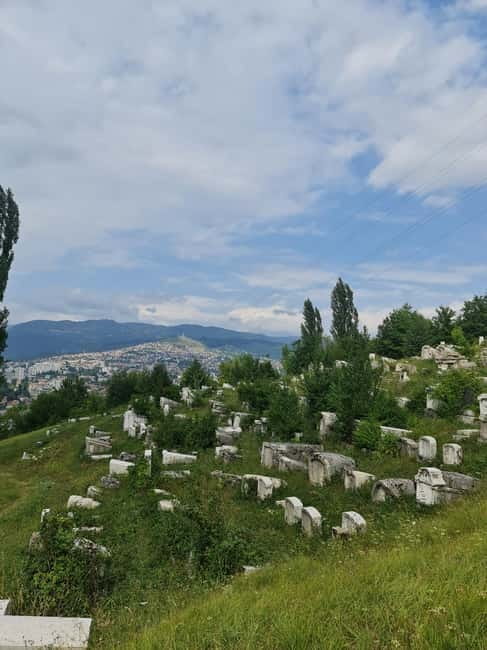
The tour’s final major stop is the Sarajevo Jewish Cemetery, known as the second oldest Jewish cemetery in Europe. It’s also described as the second largest in Europe, which helps explain why the cemetery feels less like a small memorial and more like a whole chapter of history made physical.
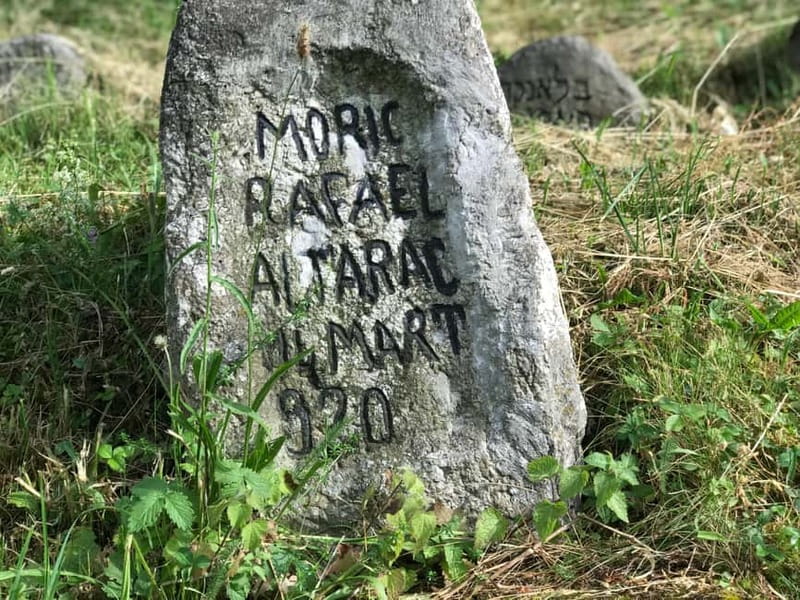
This part is about interpretation, not just walking among stones. You learn that it includes graves of both Sephardic and Ashkenazi Jews, so the cemetery becomes a geographic record of community overlap, family lines, and shared survival.
You also get the hard parts of the story. The guide discusses the tragic history of the Jewish population during World War II, and the cemetery’s significance during the Bosnian War in the 1990s. One heavy detail I appreciated is the explanation of how the cemetery was damaged and used strategically during the siege-era conflict.
If you’re worried this section will be only grim, don’t be. The tour includes how Sarajevo’s Jewish community and allies later responded to the war’s suffering. Even with many Jews leaving the city during the conflict, you’re shown gratitude through foundations and trusts that supported the besieged city. That adds a real human ending, not a cold stop-and-go routine.
Transportation to the cemetery is included, which is a smart setup for a tour ending outdoors. You still do walking, but you’re not exhausting yourself before the most meaningful segment.
Somewhere quieter after Sarajevo:
- Sarajevo: Mostar, Konjic, Blagaj Tekke, Pocitelj & Waterfall
★ 4.9 · 1,666 reviews - Fall of Yugoslavia, Sarajevo War Tour with Tunnel of Hope Museum and Frontlines
★ 5.0 · 1,314 reviews - Sarajevo: Grand Walking Tour Through Time and Cultures
★ 4.8 · 1,236 reviews - Sarajevo: Mostar, Konjic, Sufi House, Pocitelj & Kravice Falls
★ 5.0 · 1,179 reviews
Price and what you really get for $94 per person
At $94 per person for a 3-hour small-group tour, this is priced like a focused heritage visit, not a long bus tour. And the value is mostly in what’s included.
You get:
- Hotel pickup and drop-off
- A licensed local guide accredited by the Jewish community of Bosnia and Herzegovina
- Skip the ticket line
- Entrance fee to the Jewish Museum of Bosnia and Herzegovina
- Entrance ticket to the Jewish Community Center
- Transportation to the Jewish cemetery
- A bottle of water
That matters because museum and cemetery access, plus local transport, can add up quickly when you’re doing it on your own. The tour also avoids a common problem with lower-cost city walks, where you pay for the guide but then still pay extra for each site. Here, the main paid entries are included.
What’s not included is also clear: food and drinks. So plan to grab something before or after, especially since the tour is concentrated and you’ll likely finish ready for a meal.
Who should book this Sarajevo Jewish Heritage tour?
This is a strong match if you:
- want a focused, guided introduction to Sarajevo Jewish heritage without hunting down museum hours yourself
- care about connections between communities, including Sephardi and Ashkenazi traditions
- like learning in layers, museum first, then streets, then cemetery context
- prefer a small group format so questions and details can land properly
It may be less ideal if you:
- only have one specific day and that day conflicts with synagogue opening rules or Haggadah viewing windows
- dislike walking and want long stops with no moving between sites
If you’re a history buff, this tour delivers context with specificity. If you’re more casual, it still works because the guide ties the story to buildings, institutions, and names you can picture in your head later.
Should you book it?
I’d book this tour if you want a meaningful Sarajevo experience that’s organized, site-based, and explained by a guide connected to the community. The combination of the Jewish Museum, the Ashkenazi Synagogue, the Sarajevo Haggadah, and the Jewish Cemetery gives you a full arc: origins, everyday life, cultural influence, and how war reshapes memory.
One final tip: check your day of the week before you commit. If your schedule aligns with opening hours, you’ll get the full set of stops, including the Haggadah window. If it doesn’t, the tour can still be valuable, but you may need to adjust expectations for specific viewing times.
FAQ
How long is the Sarajevo Jewish Heritage Tour?
The tour lasts about 3 hours.
Is the tour in English?
Yes. The live guide speaks English.
What’s included in the $94 price?
Included are hotel pickup and drop-off, a local licensed guide accredited by the Jewish community of Bosnia and Herzegovina, a bottle of water, entrance to the Jewish Museum of Bosnia and Herzegovina, an entrance ticket to the Jewish Community Center, and transportation to the Jewish cemetery.
Does the tour include food?
No. Food and drinks are not included.
Which sites are closed on certain days?
On Saturdays, the Old Jewish Temple and the Ashkenazi Synagogue are closed. On Sundays, the Ashkenazi Synagogue is closed, while the Old Jewish Temple is open from 09:00 to 13:00.
When can you see the Sarajevo Haggadah?
The Sarajevo Haggadah is open on Tuesdays and Thursdays from 12:00 to 13:00. It is also accessible on the first day of each month, and hours can change, so it’s smart to confirm close to your visit.
Newest Sarajevo write-ups
- Sarajevo to Zagreb: One-Way Tour via Jajce, Travnik, Pliva Lake and Watermills★ 5.0 · 3 reviews
- Mountain Village Lukomir Full Day Adventure Tour★ 5.0 · 3 reviews
- Sarajevo E-Bike City Tour★ 5.0 · 3 reviews
- Bosnian Kingdom Capitals: Travnik & Jajce Tour from Sarajevo★ 5.0 · 3 reviews
- Strbacki Buk and Una Waterfalls: Day Trip from Sarajevo★ 5.0 · 3 reviews
- Sarajevo Snowshoeing Adventure★ 5.0 · 3 reviews
- Sarajevo Old Town: Bosnian Coffee, Baklava & Panoramic Views★ 5.0 · 3 reviews
- 4 Hours Tara Rafting Trip★ 5.0 · 3 reviews
Historical Tours, compared.
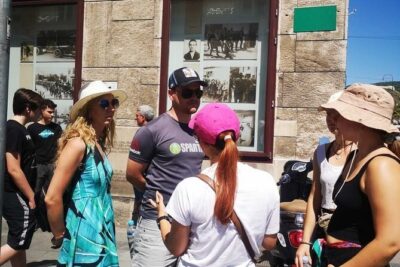
Sarajevo genuine walking tour: Steps through history
Read our review →
BOSNIAN PYRAMIDS TOUR (nature, history & archeology)
Read our review →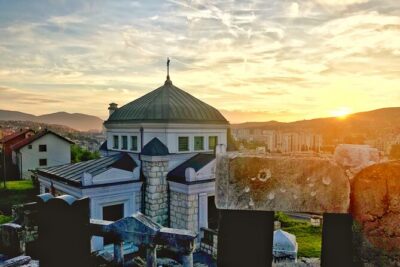
Browse the lists this tour appears in