
Reviewed · CITY TOURS IN SARAJEVO
Urban Hiking city tour through Sarajevo
Sarajevo isn’t only museums and old photos. This urban hiking tour takes you from the city’s center up into the hills, so you see how neighborhoods, religions, and daily life stack right next to each other. I especially love the way the walk blends big-picture history with real streets, yards, and viewpoints you can stand on and feel.
Two things I liked a lot: the guide-led route through Sarajevo’s old mahalas like Ferhadija and Mejtaš, and the finish with a proper Bosnian lunch at Restoran 7 šuma Minjo after the climb. The main drawback to plan for is simple: it’s a hiking day, so you’ll want to be comfortable with some steep ups and uneven ground, especially when the weather is less cooperative.
Highlights You Should Expect From This Sarajevo Urban Hike
- Start at the Sacred Heart Cathedral area and get fast context on why Sarajevo is called the Jerusalem of the Balkans
- Mejtaš Jewish quarter stories and the sense of layered Sarajevo culture, shaped by Sephardic roots
- Vrbanjuša hillside stop with an old dervish monastery, where faiths and traditions overlap in daily life
- Grdonj and the shift from city to hillside living with informal gardens and long valley views
- Vidikovac Špicasta stijena viewpoints where siege history is handled seriously, not as a spectacle
- End with included snacks and lunch at Restoran 7 šuma Minjo, in a neighborhood setting
Why Sarajevo Changes When You Walk Up
I like tours that force your body to understand the geography. Sarajevo does that fast. At street level, you get architecture and street life. But when you start climbing above the valley, the city’s layout makes sense in a way no photo ever does.
This is one of those experiences where you’ll learn the names and meanings, then immediately see them with your own eyes. You’ll move through older Ottoman-style streets, Austro-Hungarian era streets, and hillside areas that feel closer to village life. And you’ll do it with a small group, max 8 people, which keeps questions from getting lost.
If you want a Sarajevo day that feels more like a local walk with context than a checklist, this works.
More City Tours in Sarajevo
- ROSES OF SARAJEVO (Official WAR + CITY tour)- Story of a Survivor
★ 5.0 · 770 reviews - Sarajevo: Guided City Highlights Tour with Sarajevo Tunnel
★ 4.8 · 79 reviews - Sarajevo: Sarajevo City Market, Old Town Food Tasting Tour
★ 4.9 · 69 reviews
Meeting at Sacred Heart Cathedral and Getting Oriented Fast
You start at the Sacred Heart Cathedral on Trg Fra Grge Martića 2. It’s a good choice, because it gives you an easy reference point and a clear “you’re in the heart of the city” feeling right away.
From the start, your guide builds your mental map with a quick history download. Expect the big forces that shaped Sarajevo: empires, religions, and why Sarajevo earned the Jerusalem of the Balkans nickname. The point isn’t trivia for trivia’s sake. It helps you interpret what you’ll see next, especially the way different communities lived side-by-side and how later events layered new realities on top.
This opening also sets expectations for pacing. You’re not sprinting between stops. You’re moving, pausing, and listening just long enough to understand the places before you step onward.
Practical tip: Wear shoes you trust on uneven paving and dirt paths. The route climbs, and you’ll be grateful you didn’t choose fashion over traction.
Ferhadija Pedestrian Street: Old Center, Big Meaning
Stop 1 is Ferhadija Pedestrian Street, starting near the cathedral area. This stretch is where Sarajevo feels like a working city first, and a history lesson second. The guide uses this initial segment to show you how Sarajevo’s identity was shaped by crossroads of cultures and beliefs.
Ferhadija is useful because it’s not hidden. It’s the kind of street locals actually use. That matters. When your guide talks about empires and religions, you can connect the concept to the street that still carries people through their day.
If you like “start in the center, then zoom out,” you’ll appreciate this structure. It keeps your energy while your brain catches up.
Mejtaš, the Mahalas, and the Jewish Quarter Stories You Can’t Get From Postcards
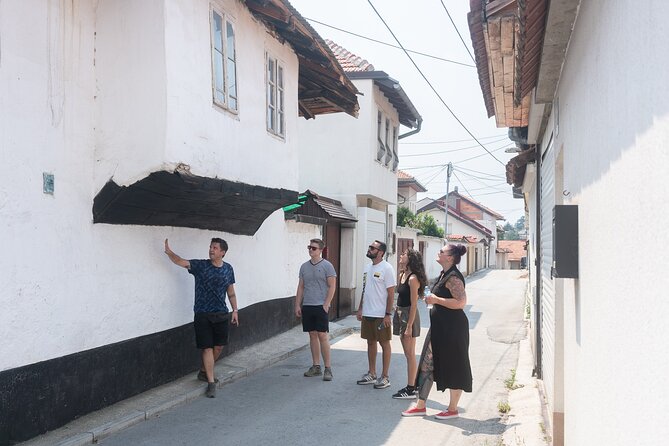
Then you head into the Mahalas, Sarajevo’s older Ottoman neighborhoods. Stop 2 is Mejtaš, including the historic Jewish quarter. The standout here is how the guide frames Sarajevo’s Sephardic roots and the way cultures blended rather than staying in separate boxes.
You’ll notice the architecture and the street scale. It feels more intimate than the grander boulevards. And because Mejtaš is part of the neighborhood fabric, the stories land differently. Instead of “a historic site,” it feels like a living place where history continues to influence what people recognize and value.
One reason this part gets praised so consistently is that it’s not only about religious buildings. It’s about everyday culture, and how identity changes when communities overlap.
More around Sarajevo to weigh up
- Lukomir Highland Village Hike
★ 5.0 · 116 reviews - From Sarajevo: Full-Day Hike to Lukomir Village
★ 5.0 · 90 reviews - From Sarajevo: Full-Day Hike to Lukomir Village
★ 5.0 · 59 reviews - Lukomir Nomad Village Hiking from Sarajevo – Local Lunch Included
★ 5.0 · 21 reviews
Vrbanjuša Hillside Stop: The Dervish Monastery and Overlapping Faiths
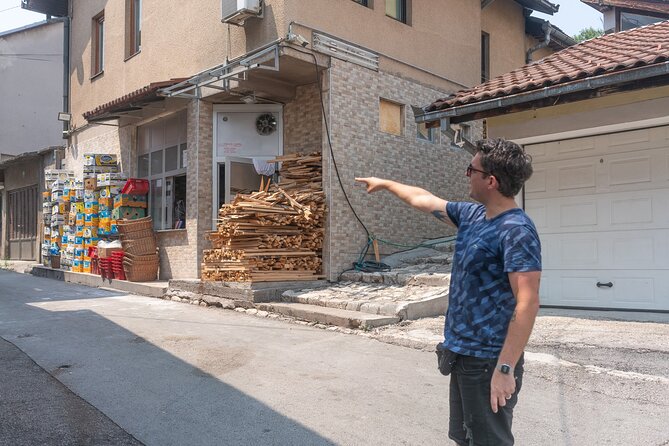
Stop 3 is Vrbanjuša, where Ottoman-era traces still show up in everyday geography. Here, your guide points out an old dervish monastery on the hillside, and uses it to talk about dervishes, diversity, and the way Sarajevo historically made room for different faiths and cultures.
I like this stop because it adds nuance. Sarajevo’s story can get flattened into one theme in war-focused travel writing, but walking here brings out the slower, longer story: people lived with difference, and cities learned to share space.
It’s also a natural transition. You leave the urban flow and start feeling the climb toward the hills. Even if you’re not thinking about it, your body starts preparing you for the viewpoints later.
Grdonj: When Urban Living Turns Into Hillside Life
Stop 4 is Grdonj. This is where the vibe shifts. Urban becomes rural-ish, and the walk starts to feel like you’re climbing into the city’s outer life.
Your guide shows you makeshift gardens and hillside homes, and you might see signs of informal settlement life. There’s a natural pause point at a viewpoint, and this is one of those moments where the city finally looks like the city.
The best part of Grdonj is the contrast. You go from streets with dense architecture to the edges where people grow food, keep small animals, and build with what’s around them. That contrast helps you understand Sarajevo as a whole, not just its famous center.
Consideration: If you’re the type who gets tired fast on inclines, take it slow here. The schedule gives you time to breathe at the viewpoint, and that break is part of the experience, not wasted time.
Vidikovac Špicasta Stijena: Siege Memory From a Real City View
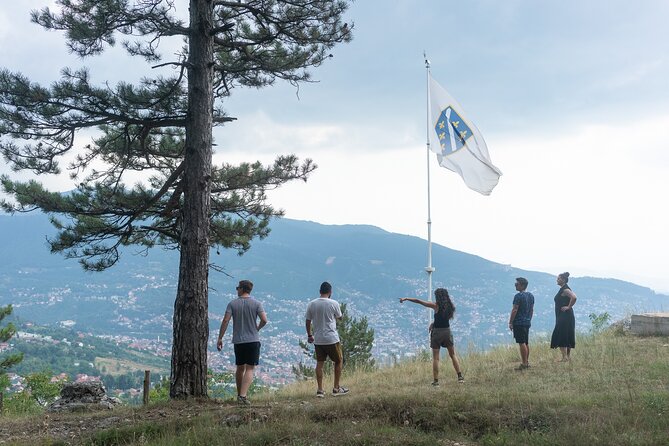
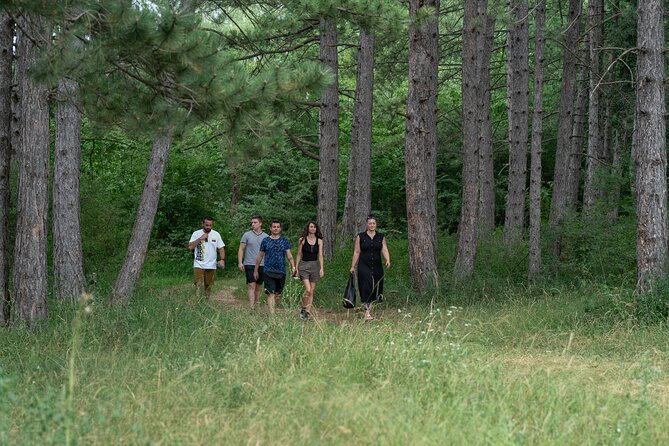
Stop 5 takes you to Vidikovac Špicasta stijena, and it’s the emotional weight of the day. Your route passes Serb trenches and then pushes you into living memory.
This is the stop where the conversation turns to Sarajevo’s most painful chapter, the siege. It’s described as a heavy moment, and you should treat it that way. This isn’t “war tourism” as an entertainment format. It’s a route through terrain that helps you understand why the siege happened and why the city survived it.
What I like about placing this stop on a hillside is that it feels honest. From the viewpoint areas, you can understand the city’s shape, the distance between places, and why movement mattered so much during the conflict.
You’ll likely spend about 15 minutes here, enough time to listen, look, and take the moment seriously without rushing it into “photo mode.”
Tip for your mindset: Don’t try to power through the emotional parts like they’re just another stop. Let the silence and scale do some of the work.
Restoran 7 šuma Minjo: The Lunch That Makes the Hike Worth It
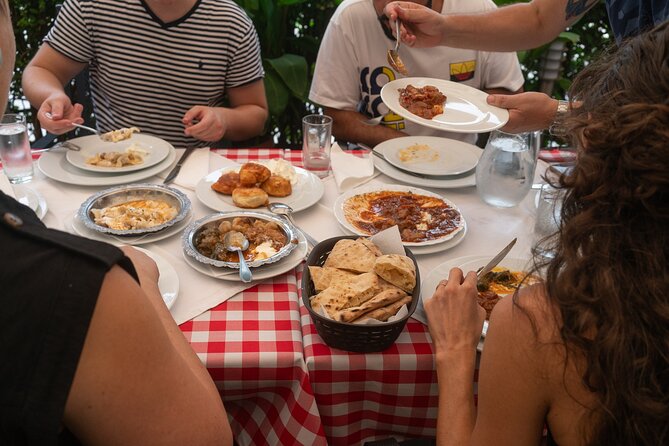
The day ends at Restoran 7 šuma Minjo in Mahala Sedrenik, with stop 6 delivering a hearty Bosnian lunch. This is not a random add-on. It’s timed to hit after the climb, when you’re ready for real food and not just snacks.
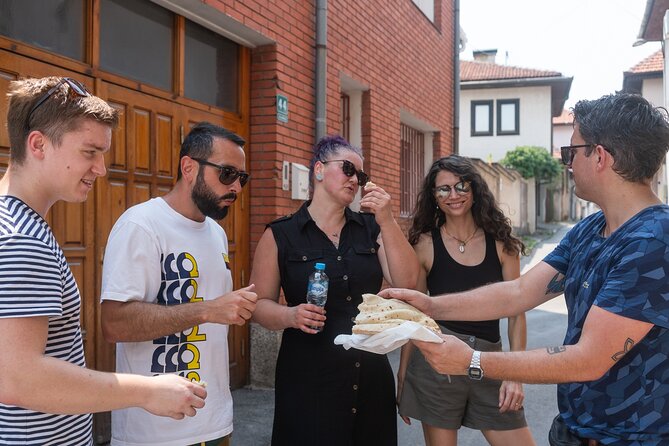
Lunch is included, and the tour also provides snacks during the walk. That’s a big value point because you’re buying time and fuel, not just “information.” After hours of walking, the meal feels like a reward tied to the effort you just put in.
The tone here is also different. The hillside has given you memory and scale. The restaurant gives you warmth, conversation, and a sense of normal life continuing.
You can expect your tour to finish at the restaurant. From there, the guide helps you get back into the city by taxi or on foot.
Price and Value: What $72.25 Really Buys You
At $72.25 per person, this isn’t a cheap “wander around” experience. But it also isn’t overpriced for what you get.
For your money, you’re paying for a guide-led route that links:
- multiple neighborhood chapters of Sarajevo (Ferhadija, Mejtaš, Vrbanjuša, Grdonj),
- real hillside viewpoints tied to siege history,
- and included food (snacks and lunch).
You’re also getting a small group size, max 8 travelers, plus an English offering and a mobile ticket. Those details matter when you want questions answered and when the emotional stops need careful pacing.
If you’re comparing it to doing these sights on your own, the guide saves you from the hard part, which is knowing what to notice and how to connect the story from place to place. You can absolutely self-explore Sarajevo, but on a limited vacation day, a route like this is an efficiency win.
Who This Sarajevo Urban Hike Fits Best
This tour is a good match if you want a mix of city life and nature-adjacent hills without committing to a full day of hard trekking.
It’s especially good for:
- first-timers who want the “Sarajevo whole picture,” not only the center,
- people who like neighborhood history more than museum history,
- travelers who don’t want to spend the trip stuck in taxis between distant spots.
From the feedback shared, guides in this program do well at making information clear and adapting to what you care about. Names you may hear include Kathi and Numa, and their guiding style is described as engaging and accommodating.
If you want long, silent landscapes with minimal context, you might find the history-heavy parts more talk than you expect. But if you enjoy explanations tied to what you see, you’ll likely feel satisfied throughout.
Timing and Pacing: A 4 to 5 Hour Walk That Stays Manageable
The duration is about 4 to 5 hours, starting at 9:30 am. That time window is a sweet spot. It’s long enough to create continuity across neighborhoods and hillside viewpoints, but not so long that you lose the day to exhaustion.
Your schedule includes stops that are short and focused early on, then longer viewpoint time later in the climb. That rhythm keeps it from turning into a nonstop march.
One more practical note: the tour requires good weather. That’s normal for an outdoor walk, but it’s worth planning your other Sarajevo plans around a backup day.
Should You Book This Sarajevo Urban Hike?
Book it if you want Sarajevo on your feet, where you get both culture and the city’s geography, and where lunch is part of the experience instead of something you scramble for at the end.
Skip it or think twice if you know you struggle with steep climbs, or if you prefer purely flat walking routes. Also consider it carefully if weather is questionable, because the tour depends on good conditions.
For most people, the decision comes down to what kind of Sarajevo day you want. This one gives you neighborhoods with identity, hillside views with meaning, and a satisfying meal to wrap it all up. If that’s your style, it’s a strong pick.
FAQ
What time does the Sarajevo urban hiking tour start?
The tour starts at 9:30 am.
How long is the tour?
It runs about 4 to 5 hours.
Is the tour offered in English?
Yes, it is offered in English.
What is included in the price?
Snacks and lunch are included.
Where does the tour start and end?
It starts at Sacred Heart Cathedral (Trg Fra Grge Martića 2, Sarajevo 71000) and ends at Restoran 7 šuma Minjo (Sedrenik 65, Sarajevo 71000).
What is the group size limit?
The tour has a maximum of 8 travelers.
What happens if the weather is bad?
The tour requires good weather. If it is canceled due to poor weather, you will be offered a different date or a full refund.
Newest Sarajevo write-ups
- Sarajevo to Zagreb: One-Way Tour via Jajce, Travnik, Pliva Lake and Watermills★ 5.0 · 3 reviews
- Sarajevo E-Bike City Tour★ 5.0 · 3 reviews
- Mountain Village Lukomir Full Day Adventure Tour★ 5.0 · 3 reviews
- Bosnian Kingdom Capitals: Travnik & Jajce Tour from Sarajevo★ 5.0 · 3 reviews
- Strbacki Buk and Una Waterfalls: Day Trip from Sarajevo★ 5.0 · 3 reviews
- Sarajevo Old Town: Bosnian Coffee, Baklava & Panoramic Views★ 5.0 · 3 reviews
- Sarajevo Snowshoeing Adventure★ 5.0 · 3 reviews
- 4 Hours Tara Rafting Trip★ 5.0 · 3 reviews
City Tours in Sarajevo, compared.
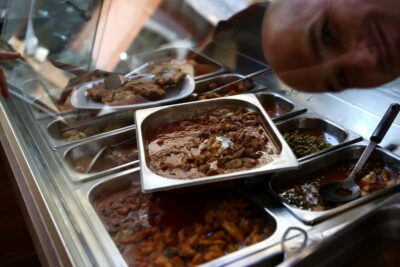
Sarajevo City Market, Old Town Food Tasting Tour
Read our review →

Browse the lists this tour appears in