
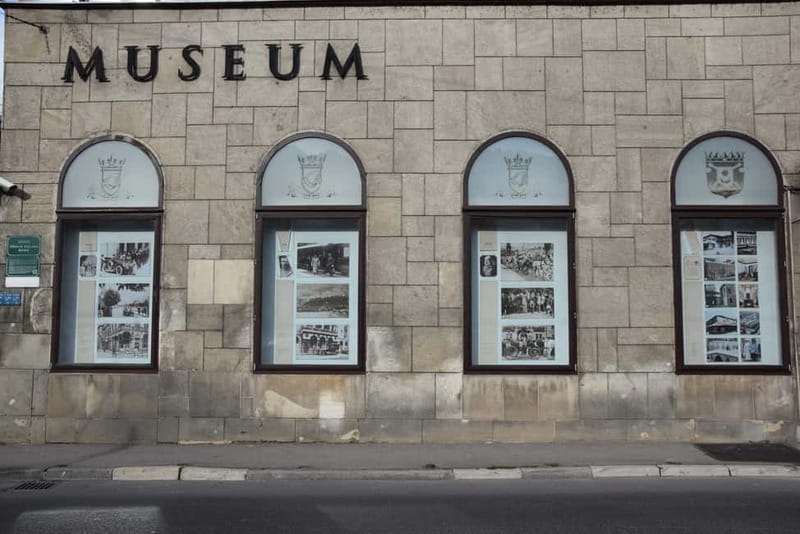
Reviewed · SARAJEVO TOURS
Sarajevo: Franz Ferdinand Assassination & the Start of WWI
This tour is interesting because it turns the Sarajevo assassination of Archduke Franz Ferdinand into a real street-level experience, right by the Latin Bridge area where the world-changing events began. You get to stand at the exact location and hear how the day unfolded in 1914.
I especially like the Museum 1878-1918 stop, since you are not just watching reenactments. You see original items from the Austro-Hungarian period and get context you can actually connect to the walk.
One consideration: with a 2-hour format, you will cover a lot, but you will not have time to linger for long at every spot, especially if the weather is rough.
Key things you will like on this Sarajevo WWI tour
- Stand at the exact assassination location near the Latin Bridge, so the story is grounded in the place.
- See original Austro-Hungarian period items at the Museum 1878-1918, not just photos and wall text.
- Learn who Gavrilo Princip was and how the Young Bosnia movement fit into the political tension of 1914.
- Walk key Austro-Hungarian Sarajevo landmarks, with practical explanation of why they mattered.
- Get expert English storytelling from guides like Nadeem, Fariz, Brian, Bojan, Aid, and Emina, who all focus on answering real questions.
Why the Franz Ferdinand assassination tour feels different in Sarajevo
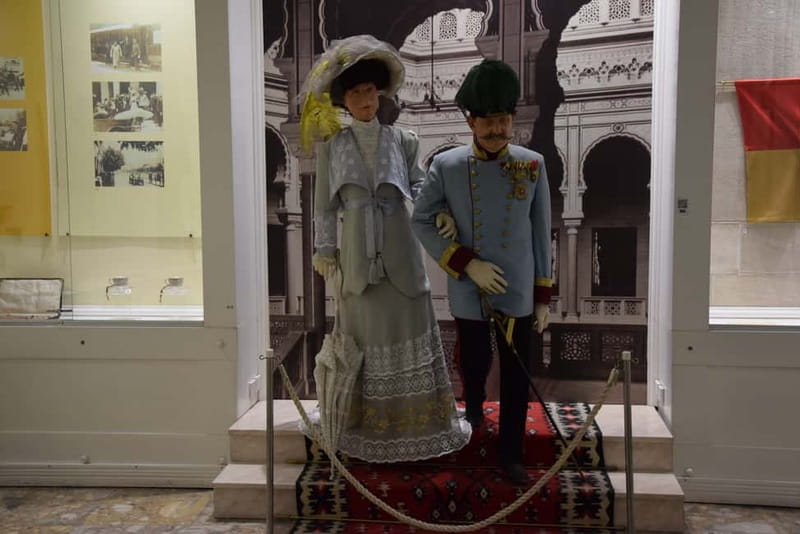
Sarajevo is one of those places where history is not locked behind glass. On this tour, the big event is the assassination of Archduke Franz Ferdinand, and the way it is told makes the moment feel both specific and huge.
What I like is that the tour does not treat this as a single dramatic point. It also builds the bigger picture: the Austro-Hungarian occupation of Bosnia and Herzegovina, the political pressure building across Europe, and why a local radical network could trigger a global crisis.
You will walk away understanding the assassination as a cause, not just a headline. That shift matters, because the same gunshot can be interpreted differently depending on what power, identity, and empire were at stake in 1914.
More on 1914 in Sarajevo:
- The last day of Franz Ferdinand Walking Tour
★ 5.0 · 10 reviews - Sarajevo: Start of The First World War Tour
★ 5.0 · 5 reviews - Sarajevo Assassination: The Spark of World War I
★ 5.0 · 4 reviews
Latin Bridge, the exact spot, and how your feet “translate” the story
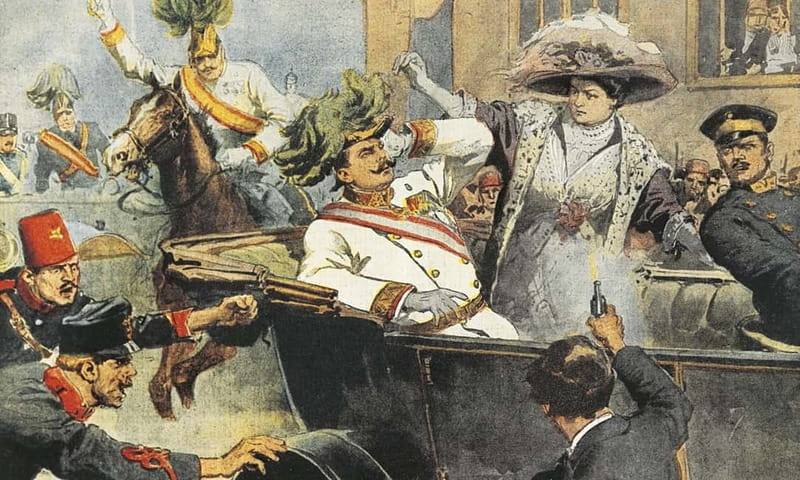
The heart of the experience is simple: you stand where the assassination happened, near the Latin Bridge area. Seeing the bridge and the surrounding streets for yourself changes the tone of the story, because you are not imagining distances or turn-by-turn movements.
Here is what makes this stop work: your guide connects the spot to the chain of decisions. You learn how the event played out that day, and how it became the spark that set off diplomatic breakdowns and military escalation across Europe.
A practical benefit is that you get to focus your attention on details that otherwise blur together. The guide typically points out what to notice in the street setting, so you learn to “read” Sarajevo like a 1914 map rather than just taking a few photos.
If you are traveling in rainy or chilly weather, this is also a smart pick. One guide, Nadeem, adjusted the route when it rained heavily so the tour still made sense and did not turn into a slog.
Museum 1878-1918: the Austro-Hungarian period comes alive with original objects
After the street portion, you shift indoors to the Museum 1878-1918. That title is a clue to what you are meant to grasp: Sarajevo under Austro-Hungarian influence, from occupation to the end of the era.
This is where you get something many WWI-focused tours skip. You get original items from the Austro-Hungarian time, which helps you connect “what happened in 1914” to “what kind of system people lived under before and during that time.”
Another detail I found especially useful: the museum experience can include a VR option. In practice, it is a good way to visualize parts of the period when you are tired from walking or when you want a quicker way into the setting.
If you like museums that explain the why, not just the what, you will appreciate the way the stop supports the rest of the tour. You are not leaving the story behind. You are putting the story back into the everyday reality of empire, administration, and political tension.
The people behind 1914: Gavrilo Princip and Young Bosnia explained clearly
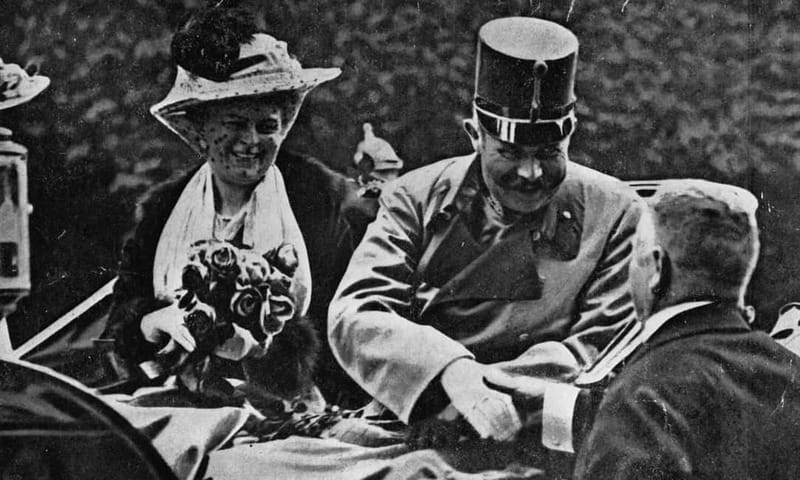
The assassination has names attached to it, and the tour makes sure those names connect to ideas. You learn about Gavrilo Princip and the Young Bosnia movement, including why young activists in the region took the actions they did.
The key is that you get context for motivation, not just a list of facts. Princip and Young Bosnia are presented as part of a larger climate where national identity, imperial control, and political frustration were colliding.
This matters because it changes the way you think about responsibility. The event was not just one person’s anger in a vacuum. It was tied to networks, conditions, and the pressures of living under a particular political arrangement in a contested region.
Guides on this tour have a habit of turning questions back to the central “why.” For example, Brian was praised for answering questions and tying causes of WWI to the local situation in Sarajevo. That kind of back-and-forth is where the tour gets more than just informative.
More around Sarajevo to weigh up
- Sarajevo: Mostar, Konjic, Blagaj Tekke, Pocitelj & Waterfall
★ 4.9 · 1,666 reviews - Fall of Yugoslavia, Sarajevo War Tour with Tunnel of Hope Museum and Frontlines
★ 5.0 · 1,314 reviews - Sarajevo: Grand Walking Tour Through Time and Cultures
★ 4.8 · 1,236 reviews - Sarajevo: Mostar, Konjic, Sufi House, Pocitelj & Kravice Falls
★ 5.0 · 1,179 reviews
Austro-Hungarian Sarajevo landmarks: seeing power in everyday streets
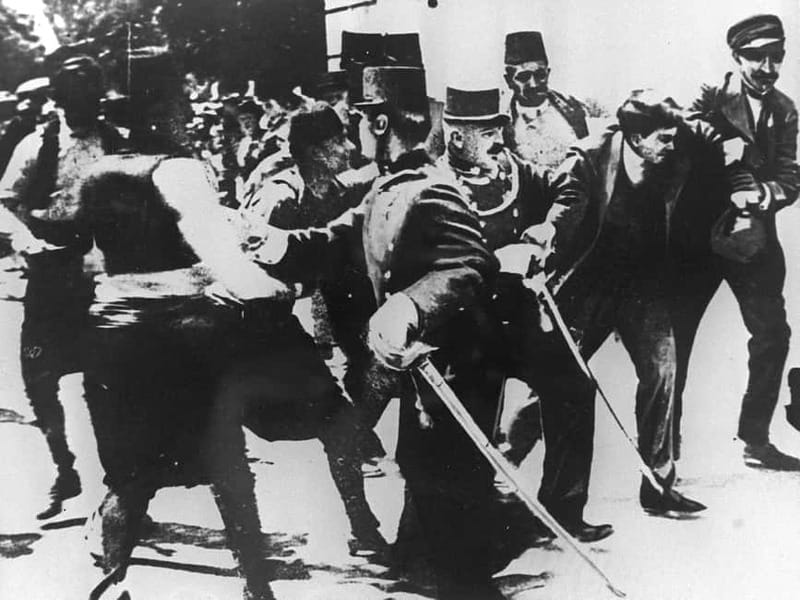
A big part of the value here is that the tour includes a walk through key Austro-Hungarian landmarks. These are not picked just because they are famous. They are chosen because they help explain what the occupation looked like in daily life.
As you move from site to site, you start to notice the “shape” of authority. You can connect buildings and public spaces to how empires manage cities, impress legitimacy, and control the narrative of who belongs where.
This is also where your guide’s approach becomes important. People like Fariz and Aid were praised for bringing in wider Sarajevo and world context, which means the landmarks do not float by as random stops. They become evidence in a story about political tension and the conditions leading toward WWI.
If you love architecture or you like understanding how governments leave footprints, you will enjoy this part even if you are not a hardcore military-history person. You are learning how power worked on the ground, not only how armies moved later.
The 2-hour format: efficient, focused, and best for short visits
A 2-hour duration means this tour is built for real travel schedules. You get the assassination location, the Museum 1878-1918, and the key historical connections without needing a full half day or a day trip.
That time efficiency is part of the value, especially in Sarajevo, where you might also want time for the city center, local food, or a broader Balkans itinerary. You can slot this into a morning or early afternoon and still keep your evening free.
The flip side is pacing. If you are the type who loves to stand and stare at every plaque and object, you might feel the clock. You will likely leave wanting more time at the museum, but the payoff is that the tour keeps the story moving and connected.
A small practical note: bring a jacket and comfortable shoes. You are walking through central streets, and weather can change quickly. When it rained hard, the guides showed flexibility in adjusting walking plans, so arriving prepared helps you benefit from that adaptability.
Price and value: what $29 buys you in Sarajevo
At $29 per person, this tour is priced as a budget-friendly history experience with real substance. You are not only paying for storytelling, you are also paying for a professional English-speaking guide plus the museum entrance.
That combination matters. Many low-cost tours either skip major museum access or fail to build meaning beyond surface-level facts. Here, the museum stop is part of the structure, which means you are seeing original Austro-Hungarian material as part of the same narrative thread.
You also get the practical perk of skipping the ticket line. That might sound minor, but in busy periods, it keeps the experience from turning into waiting time, and it helps you keep the full 2 hours.
When you add it up, you are paying for a guided route, guided interpretation, and a museum visit, all in a single compact block. For many visitors, that is an efficient way to get a strong Sarajevo WWI experience without spending a whole day.
Who should book this Sarajevo WWI tour, and who might not
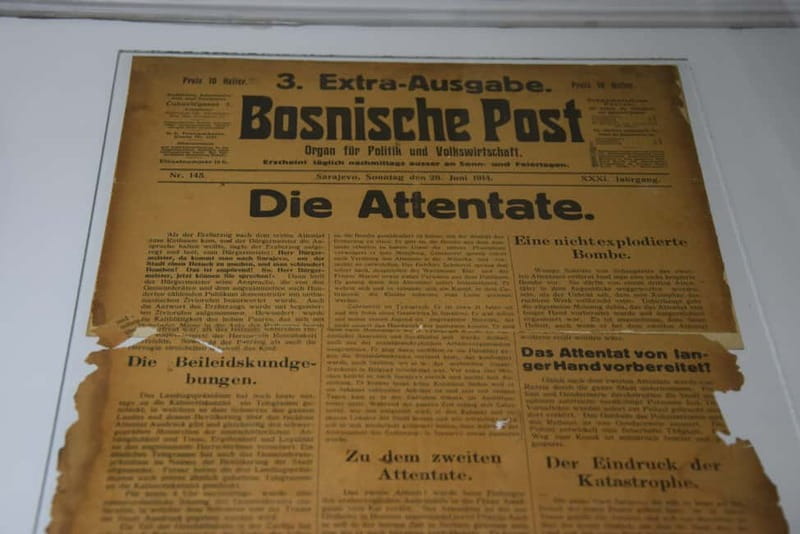
This tour is a great match if you want the assassination story but also want the political background. If you are the type who asks why events happened, not only what happened, you will enjoy how the guide explains tensions leading toward World War I.
It also works well for visitors who want variety in a short time. You get street-level history at the Latin Bridge area and then museum context with original artifacts from 1878-1918. That pairing is useful, because it helps you connect places to objects, and objects to motives.
It may be less ideal if you want a long, slow, museum-first experience. The pace is purposeful, and the tour is clearly designed to cover core sites rather than provide hours of unhurried independent exploration.
If you are lucky enough to get a guide like Nadeem, Fariz, Brian, Bojan, Aid, Mohammed, Dennis, or Emina, you are likely to have a Q&A style interaction. Several guides were praised for friendliness, flexibility, and strong answers, which is a big reason people rate the experience so highly.
Should you book this tour or do it on your own?
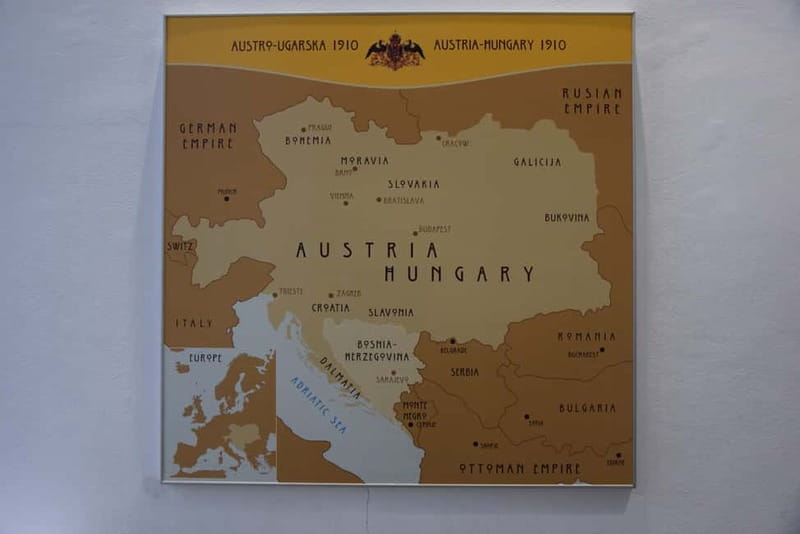
I think this is worth booking if you care about understanding how 1914 fits together. Doing Sarajevo’s history on your own can be fun, but without a guide you might miss the connections between the assassination site, Austro-Hungarian landmarks, and the political context around Young Bosnia and Gavrilo Princip.
Book it if you have limited time and you want a structured path through the main event and the supporting background. The $29 price includes the museum entrance, a live English guide, and time-saving ticket line skipping, which makes it a practical choice.
If you are purely sightseeing and you do not want to think about political tensions and causes, you might find it heavy. But if you are even slightly curious about how a local action turned into a world crisis, this tour is one of the cleanest ways to get there.
In short: if you want Sarajevo in 1914, with the explanation that makes it click, book it.
FAQ
How long is the tour?
The tour lasts 2 hours.
How much does the Sarajevo Franz Ferdinand tour cost?
It costs $29 per person.
What language is the guide?
The guide provides a live tour in English.
Where do I meet for the tour?
You meet at the Sarajevo Insider Office, Zelenih beretki 30, Sarajevo 71000.
What is included in the price?
The price includes a professional English-speaking guide and the entrance fee to the Museum 1878-1918. You also skip the ticket line.
Which museum will we visit?
You will visit the Museum 1878-1918.
Can I reserve and pay later?
Yes, you can reserve now and pay later.
Is free cancellation available?
Free cancellation is available up to 24 hours in advance for a full refund.
Newest Sarajevo write-ups
- Sarajevo to Zagreb: One-Way Tour via Jajce, Travnik, Pliva Lake and Watermills★ 5.0 · 3 reviews
- Sarajevo E-Bike City Tour★ 5.0 · 3 reviews
- Mountain Village Lukomir Full Day Adventure Tour★ 5.0 · 3 reviews
- Bosnian Kingdom Capitals: Travnik & Jajce Tour from Sarajevo★ 5.0 · 3 reviews
- Strbacki Buk and Una Waterfalls: Day Trip from Sarajevo★ 5.0 · 3 reviews
- Sarajevo Old Town: Bosnian Coffee, Baklava & Panoramic Views★ 5.0 · 3 reviews
- Sarajevo Snowshoeing Adventure★ 5.0 · 3 reviews
- PRIVATE Sarajevo Under Siege War Tour★ 5.0 · 3 reviews
Sarajevo Tours, compared.
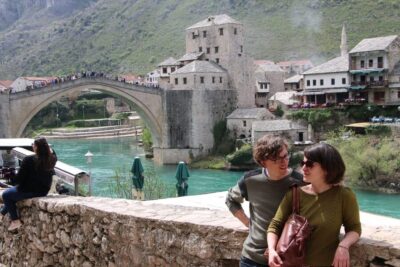
Mostar, Konjic, Blagaj Tekke, Pocitelj & Waterfall
Read our review →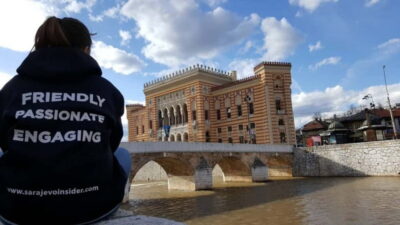
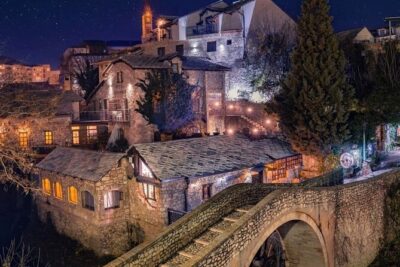
Mostar, Konjic, Sufi House, Pocitelj & Kravice Falls
Read our review →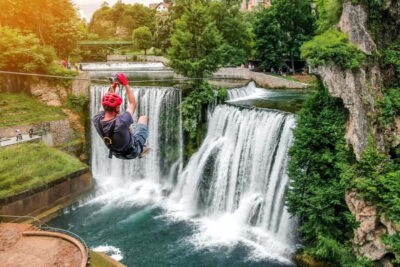
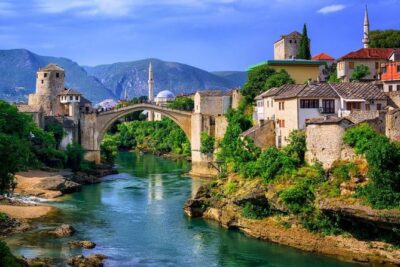
Mostar, Konjic, Dervish House, Pocitelj & Kravica Falls
Read our review →
Mostar,Kravica Waterfall,Blagaj,Počitelj – Day Tour from Sarajevo
Read our review →
Mostar, Konjic, Pocitelj, Blagaj Skywalk Waterfall
Read our review →Browse the lists this tour appears in