
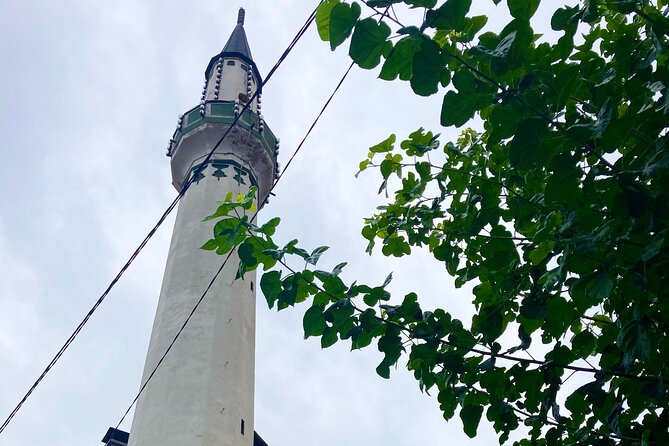
Reviewed · TOURS
Sarajevo: Islamic Traditions and Daily Life Tour
Sarajevo is interesting because this walk treats Islamic traditions as something you can actually see in everyday places, not just as dates and names on a plaque. You end up with a clearer sense of how Sarajevo grew, where community life happens, and why certain buildings matter.
I especially like the way the stories are delivered by guides such as Suad and Fuad, who come across as friendly and ready for questions. I also love the combination of major sites and daily-life spaces, from the historic Ottoman home experience to the Clock Tower idea of keeping time by the Islamic lunar calendar.
One heads-up: the route is a walking loop in the old city, and it can include uphill stretches. Also, a couple of the most popular indoor stops have entrance fees you pay on your own, so budget for that day.
Key things I’d mark on your map
- A focused 2-hour route that links Islamic history to Sarajevo’s streets you’ll want to revisit later
- Free entry at many stops, with only the mosque and house museum costing extra
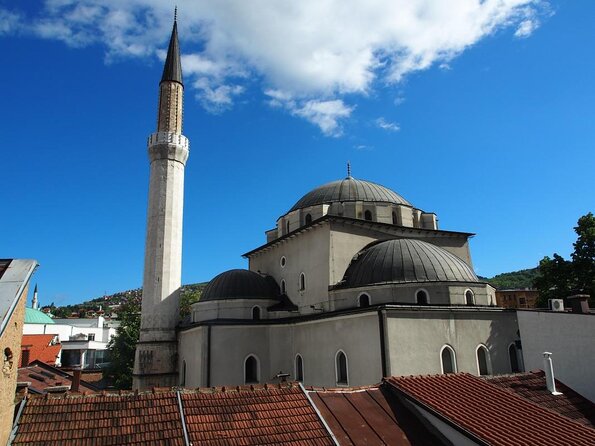
- Mosque time with a real community centerpiece, the Gazi Husrev-beg Mosque area
- Ottoman daily life preserved, through Svrzo’s House and Morica Han
- A lunar clock moment, Sarajevo’s Clock Tower and its Islamic-calendar timekeeping idea
- Optional quiet reflection, including the Alifakovac Cemetery stop if you want it
Islamic Traditions and Daily Life in Sarajevo, in 2 Hours
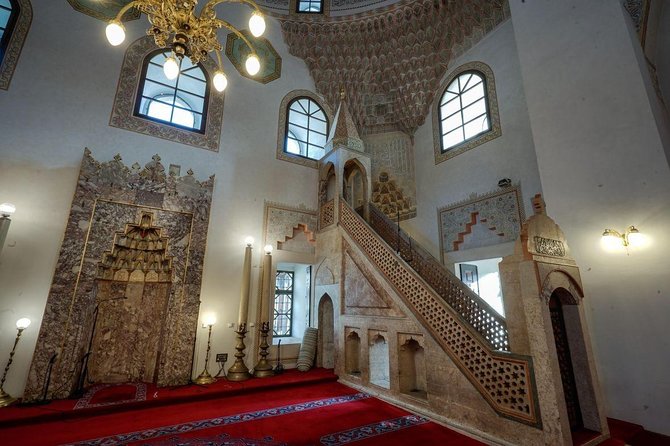
This is the kind of tour that helps you get your bearings fast. You start with major “anchor” places, then you move toward the spaces where daily life unfolds, from bazaars to Ottoman-era inns. The result is practical, not academic: you learn what matters, and you also learn how to keep noticing it after the tour ends.
At $30.04 per person for about 2 hours, it sits in the “worth it” zone if you like walking tours with a clear theme. And because the tour is offered in English, you can follow the thread without slowing down to play translator with your phone.
The group size cap is 25, so you should get a human-sized experience rather than a cattle-line history lesson. A mobile ticket is included, and the meeting point is near public transportation, which matters in Sarajevo where finding your footing is part of the fun.
More around Sarajevo to weigh up
- Sarajevo: Mostar, Konjic, Blagaj Tekke, Pocitelj & Waterfall
★ 4.9 · 1,666 reviews - Fall of Yugoslavia, Sarajevo War Tour with Tunnel of Hope Museum and Frontlines
★ 5.0 · 1,314 reviews - Sarajevo: Grand Walking Tour Through Time and Cultures
★ 4.8 · 1,236 reviews
Price and What You Get for $30.04 (and What Costs Extra)
Here’s the useful breakdown. The tour itself includes a certified guide and a city map. Many of the stops are listed as free entry, so you can spend your money on the two places that usually require tickets.
Not included fees you should expect:
- Svrzo’s House Museum: 5 BAM (about 3.00 EUR) per person
- Gazi Husrev Bey’s Mosque and Museum: 8 BAM (about 4.50 EUR) per person
That’s the main trade-off. The rest of the walk is designed so you learn a lot without paying for every step. If you’re the kind of person who likes interiors, you’ll probably feel good about paying those two fees. If you’re more interested in outdoor architecture and street life, you can still enjoy most of the route without stressing your wallet.
Getting Started at Zelenih beretki 30, Sarajevo
You meet at Sarajevo Insider, City Tours and Excursions at Zelenih beretki 30, Sarajevo 71000. The start time is 10:00 am, and the tour ends back at the meeting point.
Most people can participate, and the pace is typical for a concentrated old-city walk. Still, wear comfortable shoes. In the small details you hear from past guests, uphill walking comes up more than once, so plan for that reality even if your day starts out optimistic.
This tour also runs in good weather. If it’s canceled due to poor weather, you’ll be offered a different date or a full refund. That’s a relief, since the value here is in seeing the streets on foot.
Stop-by-Stop: From Sarajevo’s Founding Spot to Baščaršija
Think of the itinerary as a gentle ladder. You begin at a place tied to the city’s official establishment, then you step into spiritual sites, then you shift toward education, Ottoman domestic life, and finally the bazaar zone.
Somewhere quieter after Sarajevo:
- Sarajevo: Mostar, Konjic, Sufi House, Pocitelj & Kravice Falls
★ 5.0 · 1,179 reviews - Sarajevo: Tunnel Museum Yugoslavia War Tour with War Veteran
★ 5.0 · 1,111 reviews - ROSES OF SARAJEVO (Official WAR + CITY tour)- Story of a Survivor
★ 5.0 · 770 reviews - Sarajevo: Tunnel of Hope Tour – Survival and Resilience
★ 4.8 · 630 reviews
Mejdan Park: Where Social Life Meets Old Sarajevo
You start at Mejdan Park, a historic site associated with Sarajevo’s official establishment. It’s not a long stop, but it sets a key mood. Before you go inside any buildings, you get a sense of a public gathering point, a place where people came together for social life.
If you like tours that explain why a place was chosen, this first stop does that job. It helps you understand later sites not as random sights, but as pieces of a living city.
Jedileri (Turbe sedam braće): A Sanctuary With Spiritual Meaning
Next is Jedileri, the Turbe sedam braće sanctuary. This stop is short, but it’s important. You learn about the spiritual significance of this site to Muslim life in Bosnia.
What I like here is the balance: you’re given context for why the site matters, not just the location. If you’ve ever visited a sacred spot and wished someone had explained the emotional weight, you’ll appreciate this step.
Emperor’s Mosque: The Oldest Mosque Thread
Then you reach Emperor’s Mosque, described as the oldest mosque in Sarajevo. The key learning point is how the city’s Islamic heritage shaped its name.
This is one of those moments where a small explanation can change how you read the city. You stop looking at buildings as scenery and start treating them as historical signals.
Gazi Husrev-beg Mosque: The Spiritual and Cultural Core
The tour gives you a longer visit here, around 30 minutes. This is where the day’s theme becomes very visible: Gazi Husrev-beg Mosque is presented as the spiritual and cultural heart of Sarajevo, with a strong focus on Bosnia’s Islamic heritage and the community around it.
Practical note: the Gazi Husrev Bey’s Mosque and Museum entrance fee is not included. Plan for that if this stop is on your must-see list.
If you want a payoff for your walking time, this is the place where it usually lands hardest. You get architecture, you get meaning, and you get a sense of continuity rather than a museum-only approach.
The Clock Tower Moment: Time by the Islamic Lunar Calendar
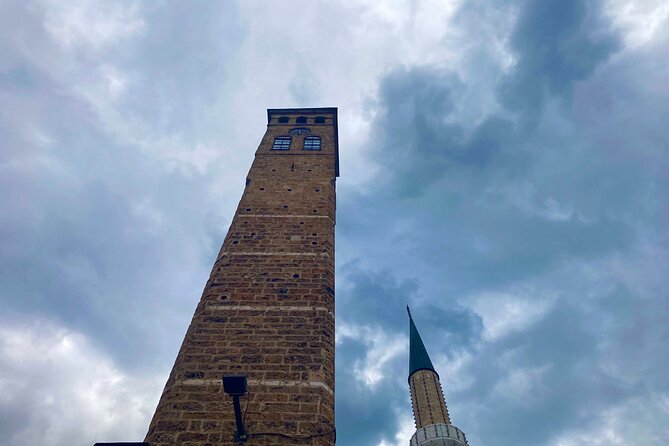
There’s also a stop to marvel at Sarajevo’s Clock Tower, highlighted for its lunar clock. The explanation you get is that it reflects timekeeping in harmony with the Islamic lunar calendar.
I love this part because it’s not just about religion as an indoor thing. It shows religion as a way of organizing daily life, including how people mark time.
Even if you can’t linger long, it’s the kind of detail that sticks. You’ll notice the city differently after you’ve heard why this clock is unusual.
Gazi Husrev Begova Medresa: A 1537 Legacy
You then visit Gazi Husrev Begova Medresa, Sarajevo’s early Islamic high school tradition, dating to 1537 and connected to one of the city’s major benefactors.
This stop is a reminder that education is part of Islamic history, not separate from it. You’re seeing a building tied to learning and leadership, not only worship.
Faculty of Islamic Studies, University of Sarajevo: Neo-Moorish Meets Modern Ideas
At the Faculty of Islamic Studies, you get a quick look, about a minute. It’s described as a masterpiece blending Neo-Moorish-inspired design with modernist elements, meant to symbolize knowledge and cultural heritage.
Even a short glance helps. It reframes the theme: Islamic tradition is not only about older Ottoman buildings, it also shows up in education architecture in the present.
Ottoman Daily Life: Svrzo’s House and Morica Han
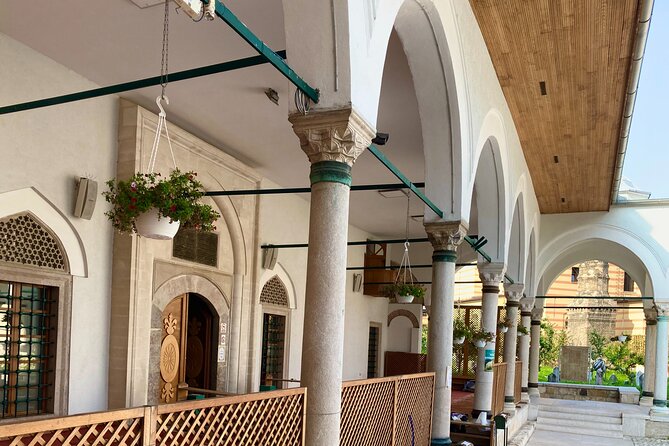
After religious landmarks and learning spaces, the tour shifts toward how people lived. This is where the story becomes tangible.
Svrzo’s House: An 18th-Century Ottoman Home Snapshot
Svrzo’s House is preserved and shown as a window into daily Muslim life in Bosnia during the 18th century. The museum entrance fee is not included, so you’ll pay 5 BAM (around 3.00 EUR) if you want to go in.
This is one of my favorite tour types, the kind where you can mentally picture everyday routines. You’re not just learning that Ottoman life existed. You’re seeing how people arranged space, how home life fit within a broader culture, and what “daily” looked like in a period setting.
Morica Han: The Ottoman Inn for Muslim Travelers
Morica Han comes later, about a 3-minute visit. It’s presented as the best-preserved Ottoman inn in Sarajevo, described as a historical hub for Muslim travelers in Bosnia.
This stop helps connect spiritual and social life with movement. Inns and travel routes often tell you where community networks stretched, and why certain neighborhoods mattered.
Baščaršija, Sebilj, and Bravadžiluk: Tradition in Street Form
Now you step into the area most visitors associate with old Sarajevo. The tour doesn’t treat it as shopping-only time. It frames it as cultural daily life.
Baščaršija: The Old Bazaar on Cobblestones
Baščaršija is next, around 20 minutes. It’s described as Sarajevo’s old bazaar, with Ottoman-era trade and culture you can feel in the layout and street energy.
I like that this stop isn’t an afterthought. It’s part of the same story as mosques and schools, because commerce, crafts, and daily interaction are also part of how communities carry tradition.
Sebilj Fountain: A Symbol Built Into the City Rhythm
Then you reach Sebilj Brunnen, the fountain. It’s a brief stop, about 1 minute, and the focus is on sipping water as an iconic Sarajevo symbol in Muslim traditions.
Short stop, big meaning. Even a quick moment here gives you a “this is what people do” detail you can carry with you.
Bravadžiluk Street: Food and Craft, Two Ways Culture Shows Up
Bravadžiluk Street gets about 20 minutes and is described as where flavors of Muslim culinary traditions and artisanal crafts show up in daily form.
This is a good moment to slow down, look around, and decide what you want to taste or buy on your own later. Even if you don’t purchase anything, you’ll leave with a list of where to go when you’re hungry.
Alifakovac Cemetery: Optional Reflection in a Calm Space
There’s an optional stop at Alifakovac Cemetery, around 2 minutes. The theme here is reflection on Sarajevo’s Islamic past, using the cemetery as a serene resting place of notable Muslims in Bosnia.
If you prefer more action over reflection, you can skip it. If you like quiet places, even short visits help you understand how memory and community connect in Sarajevo.
Walking, Timing, and How to Make the Most of It
With 12 stop points in about 2 hours, the tour runs in a “see a lot, learn a lot” style. You should expect:
- frequent short stops
- a mix of outdoor and interior experiences
- some paying-your-way moments for specific sites
The value is in the guiding thread. Instead of each stop being random, you get explanations that help you connect them: mosque to school, school to home life, home life to the marketplace, and the Clock Tower to the lunar calendar idea.
For comfort, bring shoes for uneven cobblestones and possible uphill stretches. For enjoyment, bring curiosity and questions. Guides like Suad and Fuad are described as friendly and welcoming, which usually means you can ask follow-ups rather than watching silently.
Who This Tour Suits Best
This is a great fit if you:
- want Islamic history and daily life connected in one route
- like Ottoman architecture and want more than surface-level notes
- enjoy small-group walking tours with time for questions
- are curious about Sarajevo as one of the rare Muslim-majority cities in Europe, where religion is part of public life
It may be less ideal if you:
- dislike walking in old-city streets
- hate paying extra entrance fees for interiors
- want a slower pace with long museum time
Should You Book This Sarajevo Islamic Traditions and Daily Life Tour?
Yes, you should book it if you want a structured way to understand Sarajevo’s Islamic presence through real places. The price is reasonable for a guided, themed walk, and the free entry stops help you keep the day flexible.
If Svrzo’s House and the Gazi Husrev-beg Mosque and Museum are on your priority list, you’ll likely feel the day is worth it. If those interiors are not your thing, you can still enjoy most of the outdoor stops, but you should decide early whether the extra ticket fees fit your plan.
If your schedule allows, this tour is also a smart first move. It gives you context for what you’ll see later on your own, including the lunar clock detail and the way Baščaršija life connects to the rest of the city.
FAQ
How long is the Sarajevo Islamic Traditions and Daily Life Tour?
It lasts about 2 hours.
What is the price per person?
The price is $30.04 per person.
What language is the tour offered in?
The tour is offered in English.
What entrance fees are not included?
Entrance fees are not included for Svrzo’s House Museum (5 BAM per person) and for Gazi Husrev Bey’s Mosque and Museum (8 BAM per person).
Where is the meeting point and when does the tour start?
The meeting point is Sarajevo Insider – City Tours and Excursions, Zelenih beretki 30, Sarajevo. The start time is 10:00 am.
How big is the group?
The tour has a maximum of 25 travelers.
What happens if I need to cancel or if the weather is bad?
You can cancel for a full refund if you cancel at least 24 hours before the experience start time. The tour requires good weather, and if it is canceled due to poor weather, you’ll be offered a different date or a full refund.
Newest Sarajevo write-ups
- Sarajevo to Zagreb: One-Way Tour via Jajce, Travnik, Pliva Lake and Watermills★ 5.0 · 3 reviews
- Sarajevo E-Bike City Tour★ 5.0 · 3 reviews
- Mountain Village Lukomir Full Day Adventure Tour★ 5.0 · 3 reviews
- Bosnian Kingdom Capitals: Travnik & Jajce Tour from Sarajevo★ 5.0 · 3 reviews
- Strbacki Buk and Una Waterfalls: Day Trip from Sarajevo★ 5.0 · 3 reviews
- Sarajevo Snowshoeing Adventure★ 5.0 · 3 reviews
- Sarajevo Old Town: Bosnian Coffee, Baklava & Panoramic Views★ 5.0 · 3 reviews
- 4 Hours Tara Rafting Trip★ 5.0 · 3 reviews
Tours, compared.
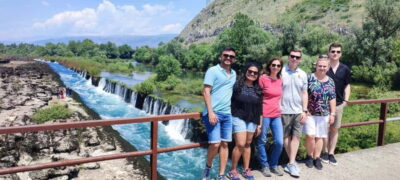
Blagaj, Počitelj & Kravice Waterfalls Day Tour
Read our review →
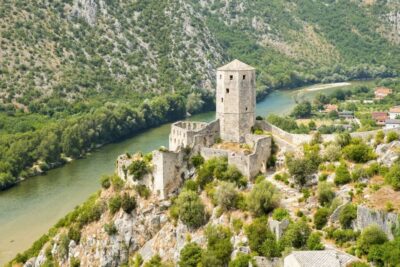
Discover Herzegovina Day Tour from Mostar: Kravice Waterfalls, Blagaj, Počitelj
Read our review →
Herzegovina Day Tour from Mostar: Blagaj, Pocitej, Kravice falls (Join Us! :D)
Read our review →
Mostar,Kravica Waterfall,Blagaj,Počitelj – Day Tour from Sarajevo
Read our review →
Browse the lists this tour appears in