
Reviewed · WALKING TOURS
Unveiling Banja Luka’s urban soul: Walk & Enjoy
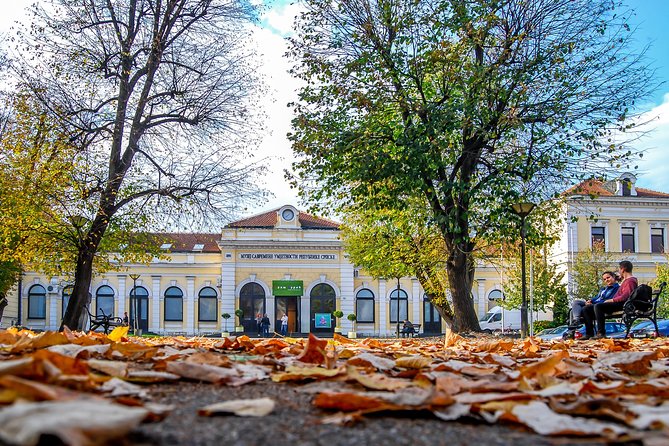
Banja Luka has a way of surprising you. One of the best ways to catch its urban soul is by walking the city’s main landmarks in a tight route that links the Vrbas River to the places where people pray, trade, and gather.
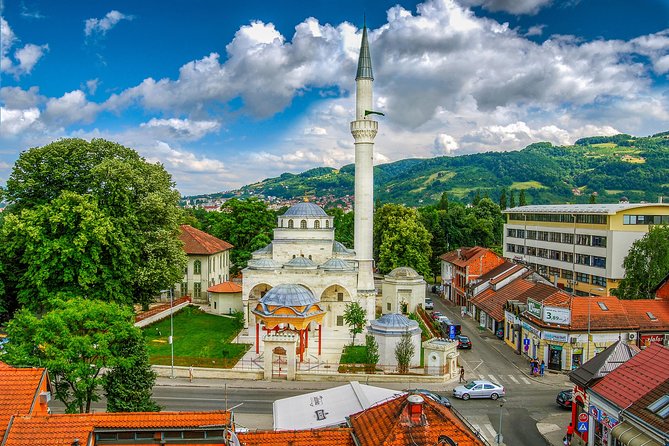
I really like two things about this experience. I love starting at Kastel Fortress, because the city makes sense faster when you understand the river defense setting. I also enjoy the stop at Ferhadija Mosque, built in 1579, because it gives you a clear look at how Islamic architecture shaped Bosnia and Herzegovina in the 16th century.
One possible drawback: it’s mostly all walking, with short scenic stops rather than long breaks or vehicle segments. If you expect a mix of foot and ride time, plan for comfortable shoes and a steady pace.
Key highlights before you go
- Kastel Fortress as the oldest historical anchor, with free admission and a museum-like stop
- Ferhadija Mosque (built 1579), a major 16th-century Islamic architecture landmark
- Time in the Banja Luka market, where trade has been going on for centuries
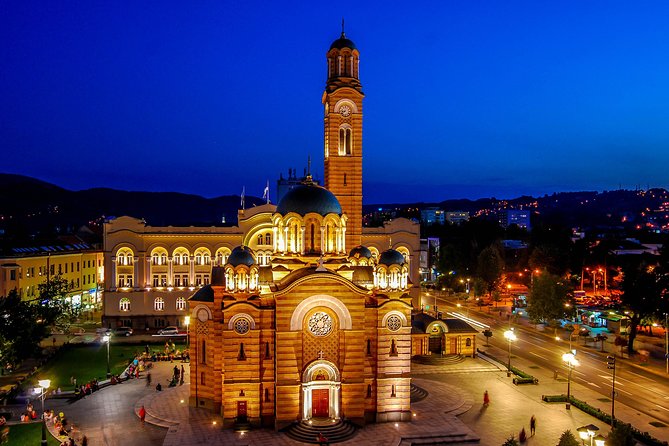
- Cathedral of Christ the Saviour / Saint Trinity Church with free entry for a short, meaningful look
- Private group setup so your guide can keep the pace and questions focused
- Ending with a local food moment, often something like ćevapi
Getting oriented in Banja Luka, with pickup and a smart walking pace
This tour is designed for people who want to get their bearings fast. In about two hours, you’ll cover a compact route that hits the city’s big visual markers and everyday-life areas, without feeling like you’re sprinting from one photo stop to the next.
You can also expect pickup from your hotel or accommodation, arranged for your group. The meeting window runs daily, and you get a mobile ticket, so you are not stuck hunting for paper details on the day.
The “private” part matters more than it sounds. With only your group, the guide can adjust timing around questions, photos, and the flow of foot traffic around the market and religious sites.
More around Banja Luka to weigh up
- Discover Banja Luka: Guided Walking Tour
★ 4.9 · 9 reviews - Sarajevo: Grand Walking Tour Through Time and Cultures
★ 4.8 · 1,236 reviews - Sarajevo: 2 Hours Old Town Walking Tour With Local Guide
★ 5.0 · 505 reviews
Kastel Fortress: the Vrbas river setting and the city’s oldest landmark
Kastel Fortress is your first stop, and it’s a strong choice. It is described as the oldest historical monument in Banja Luka, and its location on the left bank of the Vrbas river helps you understand why the city grew where it did. The fortress sits between today’s City Bridge and the crossing of the river Crkvena, which is a handy spatial clue as you move through town.
You get around 30 minutes here, and the ticket is free. That time is enough to do the practical stuff: notice the approach, take in the river views, and get oriented to how the fortress relates to the rest of the city center.
Many people also use this stop to catch what feels like a museum component inside the complex. Even if you do not go deep on artifacts, just knowing this is more than a viewpoint helps you read the place with less guesswork.
What to watch for: the way the fortress frames the river, and how that connects to the city bridge area. If you like architecture and city planning, you’ll probably enjoy spotting how the fort’s position tells a story about defense, trade routes, and control of movement.
Ferhadija Mosque in 1579: Islamic architecture you can see, not just hear about
After Kastel, the tour moves into the spiritual and artistic core of Banja Luka. Ferhadija Mosque was built in 1579, and it is treated as one of the greatest achievements of Islamic architecture in Bosnia and Herzegovina in the 16th century.
You do not need a background lecture to get value here. The guide’s job is to help you read the building, not just recite dates. When you stand in front of a major structure like this, you start noticing proportion, materials, and the cues that make the architecture recognizable as part of a broader historical tradition.
A mosque stop also changes your pace in a good way. Even though it’s still part of a short walking route, this is where you shift from “where am I?” into “what does this place mean to the community?”
Practical tip: dress respectfully and keep your phone use thoughtful. You’ll get more from the stop if you take it slowly for a few minutes instead of treating it like only a photo moment.
The Banja Luka market: trade that still feels alive
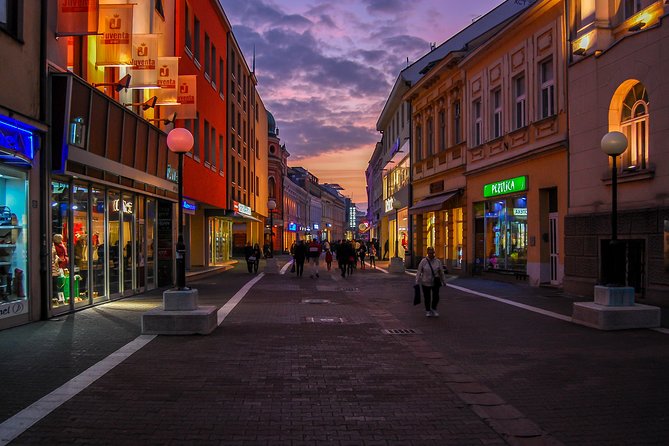
Next comes the market area, and this is the part that turns a monuments tour into a city tour. The Banja Luka market is presented as a place where trade has been going on for centuries, and that long continuity is what makes it more than a souvenir lane.
This stop is about atmosphere and conversation. You will learn about local attractions with a friendly guide, and you’ll have time to look around at daily movement: where people browse, where conversations happen, and how goods are displayed.
Even if you do not plan to buy anything, you still get something useful. Markets are where you see how a city actually functions. You learn what locals focus on, what feels normal, and what gives Banja Luka its rhythm.
How to make the market time pay off: ask your guide what locals come here for and what items are worth paying attention to. If you want small gifts, this is where you can often find simple, practical options rather than only generic tourist items.
One note for expectations: the market is not a staged attraction. If you prefer polished, museum-like environments, you might need a small mental adjustment. But if you like real life, this stop is a big part of why the walk feels human.
Somewhere quieter after Banja Luka:
- Krupa on Vrbas
★ 5.0 · 28 reviews - Banja Luka City Tour & A magical journey on Dayak boat
★ 5.0 · 14 reviews - Vrbas River Rafting Adventure with Breakfast
★ 4.0 · 5 reviews
Cathedral of Christ the Saviour: a quick free look with big context

The final structured landmark stop is the Cathedral of Christ the Saviour, Banja Luka. You get about 15 minutes here, and admission is free, so it works well as a short capstone.
Here’s the context that makes it interesting. The construction of the Saint Trinity Church in the city center was the first bigger architectural venture in Banja Luka after World War I. It was built on an empty space in front of the cafe Balkan starting in 1925, and the design is attributed to Dušan Živanović, an architect from Belgrade.
Style also matters, and the guide’s framing is specific: it is described as Serbian and Byzantine style, a combination that showed up in architectural practice around the end of the 19th century and the beginning of the 20th.
This stop does something smart for your overall understanding of Banja Luka. You have already seen Ferhadija Mosque, so the cathedral lands as a contrast in faith architecture and public space. In a short time, you’ll be able to connect different cultural influences to specific buildings instead of keeping them as separate facts.
What to do in your 15 minutes: focus on proportions and details from the outside first, then spend a moment inside if access is available during your visit. If the interior is accessible, even a quick look helps you connect style and symbolism more clearly than exterior viewing alone.
How the walk really works: timing, photos, and finishing with local food
This tour is built for a steady walking flow. Expect short blocks of time at each stop rather than lingering for hours. That’s part of the value for first-time visitors, especially if you’re only in Banja Luka for a limited window.
The reviews also point to a strong finishing touch, the chance to end with a typical local snack like ćevapi. That kind of food moment is not just fun, it’s useful. Eating something local helps you remember the city by taste as well as by photos.
Food reality check: the snack is a “nice ending” rather than a full meal promise. If you have strict dietary needs, ask your guide at the start how the food moment typically works for your route.
Also, bring the basics for a two-hour walk: comfortable shoes and a layer in case weather shifts. The experience requires good weather, so on rainy days you’ll likely have options to change dates or get a refund, depending on the provider’s handling.
If you’re the type who likes to talk while walking, this format is ideal. You’ll naturally have small windows to ask questions, and your guide can keep you moving toward the next landmark without rushing.
Price and value: what $65.06 buys you in real terms
At about $65.06 per person for roughly two hours, this price can feel fair or high depending on what you usually pay for city walks. Here’s how I’d judge the value with the info you have.
First, you are paying for a guided route that covers multiple major sights: Kastel Fortress, Ferhadija Mosque, the market area, and the Cathedral of Christ the Saviour. You also get pickup from your accommodation, which reduces the friction of getting to the right starting point.
Second, admissions at the main landmark stops are free in the details provided. Kastel Fortress is listed with free admission for around 30 minutes, and the cathedral is also listed as free for about 15 minutes. Even if you do not plan to spend money on entry tickets elsewhere, knowing you are not paying for those two stops helps the math.
Third, you get language support. It’s offered in English, and the private group format means your guide can keep the explanation targeted. That usually improves the quality of the walk versus a very large group with less attention.
The main cost-related consideration is simple: you’re not getting a longer, multi-stop day with many paid attractions. If you want a half-day or full-day itinerary with a lot of sitting time or repeated museum stops, this is still a great sampler, but it is not a long ride-and-rest package.
Who should book this Banja Luka city walk, and who should skip it
This tour fits well if you:
- want a quick orientation to Banja Luka with key landmarks and neighborhood feel
- enjoy architecture and religious buildings, but prefer short, readable stops
- like market browsing as a way to understand everyday life
- value a private group guide who can answer questions on the fly
You may want to skip or look for a different option if you:
- strongly dislike walking, since it is mostly on foot
- expect vehicle segments during the sightseeing portion
- want deep time in museums or a slower pace with longer interior visits
If you’re traveling with a couple of people and want something practical, this format makes sense. You get structure, you get context, and you still move through the city at human speed.
Should you book Walk & Enjoy in Banja Luka?
I’d book this if you want a focused introduction to Banja Luka’s main identity points: fortress history, Ferhadija’s architectural importance, the market’s long trading culture, and the cathedral’s post-World War I role. The route is short enough to work even on a travel day, and the free admissions help you keep the trip cost in check.
I would think twice if you hate walking or if you need a tour with frequent vehicle time. Also, do not plan around this tour if your schedule is tight for weather, since the experience expects good conditions.
If you’re flexible, wear good shoes, and go in curious, this is one of the better ways to feel what Banja Luka looks like and how it functions, block by block.
FAQ
How long is the Walk & Enjoy tour?
It lasts about 2 hours.
What does pickup include?
Pickup is offered from in front of your hotel or accommodation at an arranged time. You are asked to contact the day before the tour start.
Is the tour offered in English?
Yes, it is offered in English.
What are the main places you visit?
You visit Fortress Kastel, Ferhadija Mosque, the Banja Luka market, and the Cathedral of Christ the Saviour.
Are there admission fees for the stops?
The details provided list free admission tickets for both Fortress Kastel and the Cathedral of Christ the Saviour.
Is this tour private?
Yes. It is a private tour or activity, so only your group participates.
Where does the tour start?
Pickup is arranged from your hotel or accommodation.
Do I need good weather for the tour?
Yes. The experience requires good weather. If it is canceled due to poor weather, you are offered a different date or a full refund.
What is the cancellation policy?
You can cancel for a full refund up to 24 hours in advance. If you cancel less than 24 hours before the start time, the amount paid is not refunded.
Is the tour suitable for most people?
Most travelers can participate, and it is near public transportation.
Newest Banja Luka write-ups
- Rafting Trip on the Vrbas river★ 5.0 · 3 reviews
- Vrbas River Rafting Adventure with Breakfast★ 4.0 · 5 reviews
- Discover Banja Luka: Guided Walking Tour★ 4.9 · 9 reviews
- Banja Luka City Tour & A magical journey on Dayak boat★ 5.0 · 14 reviews
- Enjoying the River Vrbas★ 4.5 · 5 reviews
- Krupa on Vrbas★ 5.0 · 28 reviews
Walking Tours, compared.
Private Walking Tour, Food Tasting and Bosnian Coffee in Sarajevo
Read our review →
Browse the lists this tour appears in