
Sarajevo is the kind of city where you can watch cultures overlap on the same street corner. This Old Town walk is interesting because it connects those layers in a tight, two-hour route built for orientation. I love how it zooms you out fast, then brings details back in, especially around the Ottoman and Austro-Hungarian eras.
Two things I like a lot: the small group size (max 10) and the guide quality. From Ahmed and Ilma to Benjamin, Hanan, Azra, and Arna, the reviews consistently point to guides who explain context clearly and adjust to questions, pace, and even weather. The one drawback to plan for is that it is still a walking tour with a lot of stops, plus a couple optional paid entrances, so comfortable shoes and a backup plan for rain matter.
Key takeaways before you go
- A compact route that helps you feel oriented quickly in about two hours
- Focus on cultures meeting, not just one era, one faith, or one monument
- Main sights with mostly free viewing, while a museum stop is optional for tickets
- A real small-group feel (up to 10), which makes it easier to ask questions
- Guides who handle weather well, with tips and smart timing when it rains
Why Sarajevo’s Old Town is perfect for a 2-hour orientation walk
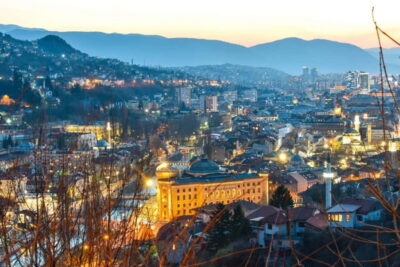
Sarajevo’s historic center can feel like a map mashup at first. The streets twist, the buildings look different block to block, and you quickly realize the city is a place of meeting, not separation. In a short time, this tour helps you connect what you see to why it matters.
At about two hours, you get a lot of payoff without burning a full day. I like that you start with a quick historical setup, then walk through the places where that history shows up in stone, fountains, mosques, churches, and bridges. If it’s your first day, you’ll find this kind of orientation makes later self-guided exploring less stressful.
The price is also pretty easy to justify for what you get. At about $14.51 per person, you’re paying for a professional local guide plus a structured route through many major landmarks. You are not just buying “a few photos,” you are buying context that helps you read the city as you walk.
More Walking Tours in Sarajevo
- Sarajevo: Grand Walking Tour Through Time and Cultures
★ 4.8 · 1,236 reviews - Private Walking Tour, Food Tasting and Bosnian Coffee in Sarajevo
★ 5.0 · 255 reviews - Sarajevo Grand Walking Tour
★ 5.0 · 232 reviews
Starting at Meet Bosnia Tours and getting the story up front
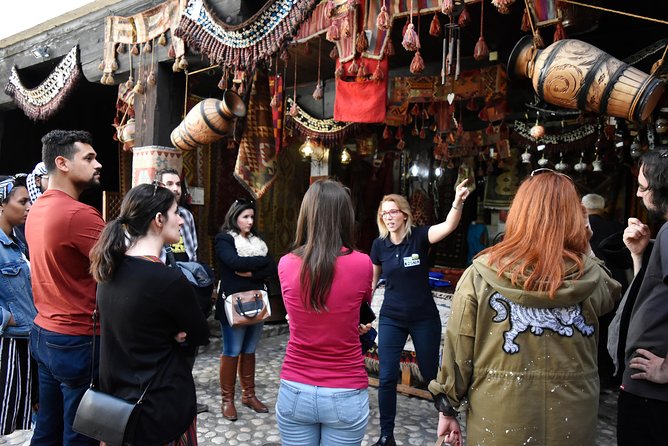
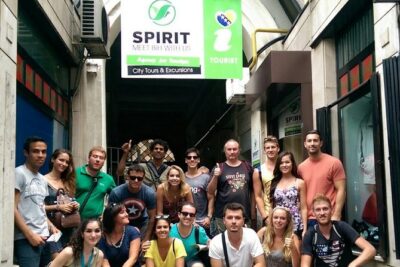
Your walk begins at the Meet Bosnia Tours office area, at Gazi Husrev-begova 75, near the crossroad points of Mula Mustafe Bašeskije. It’s a solid start because it gives you a briefing before you hit the streets, so the first monuments do not feel random.
The tour starts with an introduction to the city and country history right there at the meeting point. Guides also seem to lean into why Sarajevo’s identity is shaped by different influences. In the reviews, people mentioned guides starting with a big picture overview, like Azra who set context clearly, and Ahmed who explained how Ottoman, Austro-Hungarian, and later events connect.
Even if you know the basics, this setup matters. It turns your walk into a timeline you can actually follow, instead of a checklist. You’ll also be better prepared for the religious sites, because the guide can place them in the wider story of how different communities lived side by side.
Bascarsija Square, Sebilj, and Kazandžiluk, where Ottoman Sarajevo shows up fast
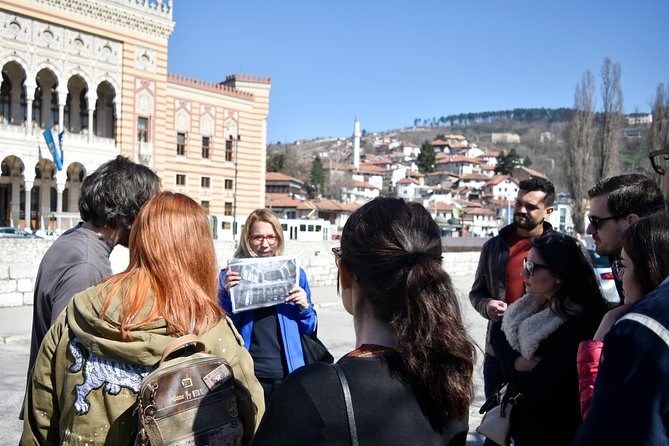
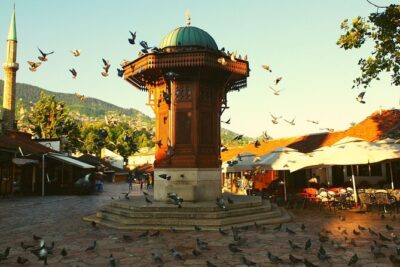
This is the Old Town center you’ll hear about everywhere, and for good reason. The walk spends time in Bascarsija Square, where you can see the Sebilj fountain, tied to the city’s Ottoman period. The guide talks about the Ottoman era, but more importantly, you learn how to read what you see when you’re standing right in it.
From there, you pass through Kazandžiluk street, described as the oldest street in Sarajevo, and linked to hand-made copper craft. That detail is practical, not just romantic. If you want to shop, eat, or take your time later, this is the part of the city where you can sense the crafts tradition without searching.
The tour also includes a close-up stop at the Sebilj fountain itself. It’s short, but it’s timed well, so you can look, listen, and then keep moving. In my opinion, those two fountain moments, square view then brief symbol view, help you understand why Sebilj has become an icon, not just a decorative feature.
One small consideration: this is an outdoor area with crowds and activity. If you dislike busy public squares, you might want to keep an eye on your comfort level and be ready to pause for photographs without getting stuck in the densest pockets.
Sarajevo City Hall and Morica Han, the Austro-Hungarian chapter in your footsteps
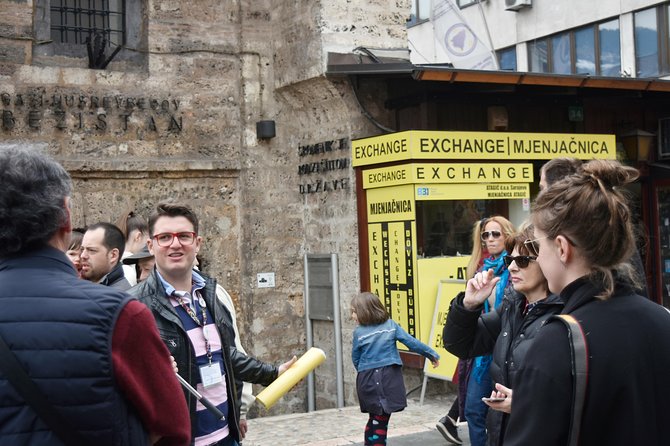
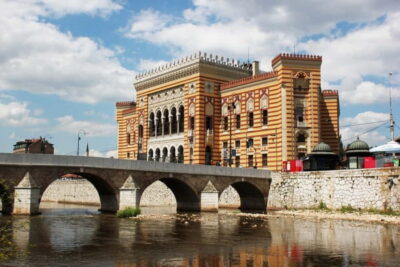
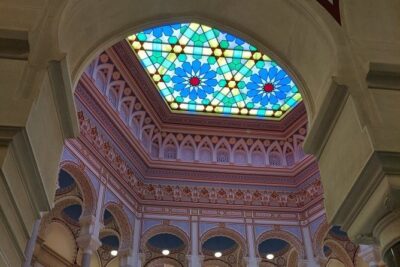
After the Ottoman-feeling streets, the tour pivots into Austro-Hungarian architecture and mercantile history. The stop at Sarajevo City Hall is built for that shift. You hear stories about the building, including that it was constructed in the period of the Austro-Hungarians and used to serve as a national library. Even without going inside, the guide helps you place it in the larger change of administration and urban identity.
Then comes Morica Han, described as the most authentic caravanserai in the Balkans region. It’s a quick stop, but it’s one of those locations that makes history feel tangible. Caravanserais were built for merchants and travelers, so you get a direct sense of Sarajevo as a stopping point on older routes, not just a place people live.
The Morica Han timing works well because you’re not trying to “finish a museum.” You’re absorbing the idea of Sarajevo’s past as a trading, gathering, and moving-through city. Guides in the program often add extra local pointers during walks, and that adds value if you like to plan your next meals and browsing stops with better information.
More around Sarajevo to weigh up
- Sarajevo: Old Town Walking Tour with Local Guide
★ 4.9 · 211 reviews - Sarajevo Essential Full Walking Tour
★ 5.0 · 198 reviews - Sarajevo: Discover Sarajevo Walking Tour with Local Guide
★ 4.9 · 92 reviews - Discover Sarajevo Walking Tour with Local Guide
★ 5.0 · 75 reviews
Gazi Husrev-beg Mosque and the Old Sarajevo Clock Tower
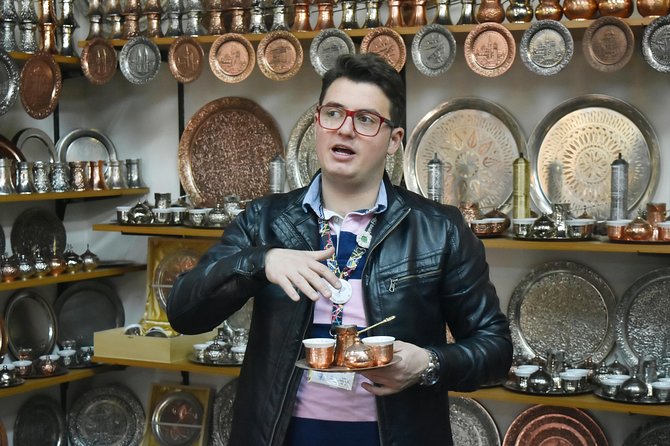
Now you get to the big spiritual landmark, plus a nearby “look up” moment. The walk visits Gazi Husrev-beg Mosque, highlighted as one of the biggest and most beautiful mosques in Sarajevo, with unique ornamentation. The guide talks about it in a way that makes the architecture feel less like trivia and more like a snapshot of time.
A smart detail here is that you are pointed toward the clock tower nearby, so the experience becomes visual. The walk then includes a stop at the Old Sarajevo Clock Tower, described as one of the city’s landmarks with an authentic way of showing time that is unique in the world.
I like that this portion balances emotion and observation. You get the spiritual weight of the mosque, then you get a landmark that is almost playful in its concept. It’s also a useful reminder that local design choices reflect local thinking, not just imported style.
If you want the most out of these stops, keep your camera ready for close details on ornamentation, not only wide angles. The best photos here are often the ones where you can see craftsmanship, because the guide is talking about those specifics while you’re standing there.
Jewish Museum stop and Sarajevo’s Meeting of Cultures
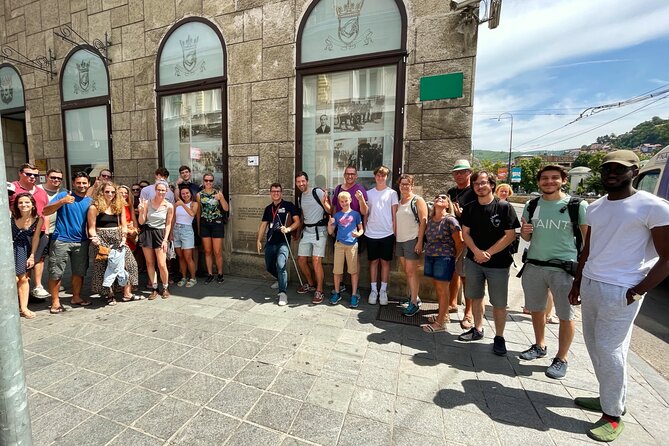
One of the tour’s strongest themes is the way it shows Sarajevo as a shared space. The walk includes the Jewish Museum of Bosnia and Herzegovina, which used to be a Sefardic Jewish synagogue. The museum entry is noted as optional, so you can choose whether to go inside based on your time and interest.
Even if you skip the entrance, the stop still matters. It gives you context for how Sarajevo’s religious landscape goes beyond the most obvious monuments. You learn that Jewish history in Bosnia has a long thread, and the building itself carries that story.
Right after that, you hit Sarajevo Meeting of Cultures, described as the place where East and West meet in an incredible way. This part turns the walk from “sights I visited” into “why these sites connect.” If you like cities with multiple layers, this is the stop that reinforces the tour’s main promise.
I also like the pace here. It gives you short moments to absorb meaning without dragging you into a long museum schedule. If you later want to go deeper, you’ll already know where to return.
Katedrala Srca Isusova and the Latin Bridge, Sarajevo’s modern trigger moment
The tour closes with two stops that help you understand Sarajevo’s role in world events, not just local ones. First is Katedrala Srca Isusova, the Cathedral of the Secret Heart of Jesus. You get a story about Catholics in Bosnia and Herzegovina, which rounds out the city’s religious picture. The guide frames it so you understand the Catholic presence as part of the same history of coexistence, not a separate bubble.
Then you reach Latin Bridge, one of the most famous points in Sarajevo. Here the guide focuses on the assassination of Archduke Franz Ferdinand, presented as the trigger that led to the First World War. The stop length is short, but it’s likely to be the moment that sticks if you came to Sarajevo with a historical question in mind: how can one city be so connected to global change?
This pairing is smart because it links identity to impact. The cathedral stop gives you the local human scale, then the bridge gives you a world scale consequence. If you want to understand why Sarajevo has been written about for more than one century, this ending helps.
How to get more from the walk after you finish
When the tour ends back at the meeting point, you’ll have a working mental map. Use that. Take the streets you now recognize and go slower on your next pass, especially around the Bascarsija area and the Kazandžiluk craft street zone.
I also think it’s worth asking your guide one practical question as you move between stops. People in the reviews talked about guides sharing restaurant ideas and local food scene pointers, not just monuments. If your guide is the kind of person who does that, you can turn the walk into a one-two plan: history now, dinner and browsing later.
Bring your camera, but also bring your patience. Several reviews mention rainy days, and at least one guide reportedly navigated in light rain and even found shade in hot weather. That means your experience can stay strong even if the sky does what it wants, as long as you show up prepared with the right gear for walking.
If you enjoy asking questions, this is a good tour to do early. The structure gives you time to learn the basics and then use that knowledge immediately while you wander.
Who should book this Sarajevo Old Town walk
This is a great fit if you want to get oriented quickly and learn how different cultures and faith communities shaped the city. It’s also ideal if you do not want a single-issue tour. This route is designed around overlap and connection, which is exactly what Sarajevo feels like in real life.
It’s also a strong choice for people who like discussion. Many reviews mention guides answering lots of questions and adjusting the pace to interests. If you get a guide like Ahmed, Benjamin, or Arna, you’ll likely leave feeling like you met a local who can explain why the city looks the way it looks.
Where it might not be ideal is if you want a long museum-heavy itinerary. The Jewish Museum entrance is optional, and the other major stops are mostly exterior or short in duration. Also, it is compact and walkable, but it is still a walking tour with multiple sites in a short window.
Should you book?
Yes, book it if you are spending limited time in Sarajevo and want a guided, context-filled way to see the Old Town landmarks in about two hours. It’s good value at around $14.51, especially because you’re not just ticking off places, you’re learning the connective tissue between them. Skip it only if you already know the city deeply and you specifically want a war-focused or museum-focused schedule, because this route centers cultures meeting and historic layers across different eras.
FAQ
How long is the Sarajevo Old Town walking tour?
The tour lasts about two hours.
What is the price per person?
The listed price is about $14.51 per person.
Is the tour in English?
Yes. The tour is offered in English.
How big is the group?
The tour has a maximum of 10 travelers.
What is included in the price?
You get a local guide and a professional guide.
Are there any optional paid entrances?
The stop at the Jewish Museum has optional entrance. Admission is also not included for the Sarajevo City Hall stop.
What are the cancellation rules?
You can cancel for a full refund up to 24 hours before the experience starts. If you cancel less than 24 hours before, the amount paid is not refunded.
Newest Sarajevo write-ups
- Sarajevo to Zagreb: One-Way Tour via Jajce, Travnik, Pliva Lake and Watermills★ 5.0 · 3 reviews
- Mountain Village Lukomir Full Day Adventure Tour★ 5.0 · 3 reviews
- Sarajevo E-Bike City Tour★ 5.0 · 3 reviews
- Bosnian Kingdom Capitals: Travnik & Jajce Tour from Sarajevo★ 5.0 · 3 reviews
- Strbacki Buk and Una Waterfalls: Day Trip from Sarajevo★ 5.0 · 3 reviews
- Sarajevo Snowshoeing Adventure★ 5.0 · 3 reviews
- Sarajevo Old Town: Bosnian Coffee, Baklava & Panoramic Views★ 5.0 · 3 reviews
- PRIVATE Sarajevo Under Siege War Tour★ 5.0 · 3 reviews
Walking Tours in Sarajevo, compared.
Private Walking Tour, Food Tasting and Bosnian Coffee in Sarajevo
Read our review →
Browse the lists this tour appears in