
Reviewed · SIEGE OF SARAJEVO TOURS
Times of Misfortune – Life Under Siege and the Tunnel of Hope
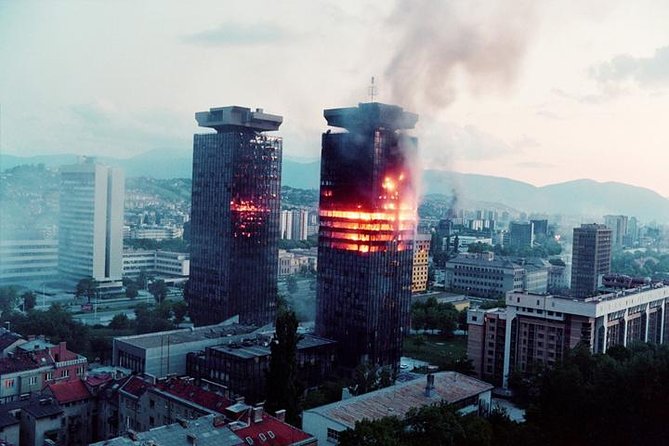
This tour is interesting because it turns Sarajevo’s street corners into a readable timeline of the Siege of Sarajevo and the collapse of Yugoslavia. You will pass major landmarks and then spend real time inside the Tunnel of Hope, where the story goes underground.
I like two things a lot. First, the guide experience is personal and grounded, with accounts that can include Nermin’s own lived perspective from the war. Second, the itinerary balances short, focused stops like Kovači Cemetery with one longer moment that actually lands: the Tunnel Museum visit.
One consideration: the subject matter is heavy, and you also need to budget for the Tunnel of Hope museum ticket (not included). Good weather matters too, since the tour requires it.
Key highlights worth your time
- A small group cap (max 20 people) keeps the pace human and the questions realistic
- A licensed guide plus transportation means you focus on the story, not on logistics
- Siege-era stops plus major national sites like the Presidency Building and National Library area viewpoints
- Sniper Alley drive-by gives you a sense of what made certain streets so dangerous
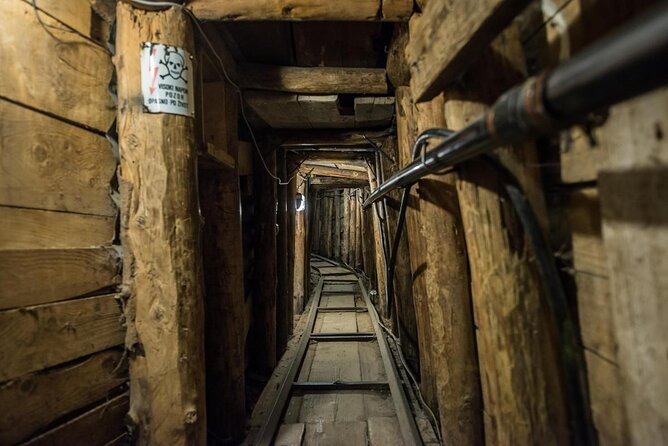
- Tunnel of Hope Museum for 1 hour 15 minutes is the emotional centerpiece
- Mobile ticket in English makes it easy to show up and get going
A 3.5-hour siege-and-hope overview of Sarajevo
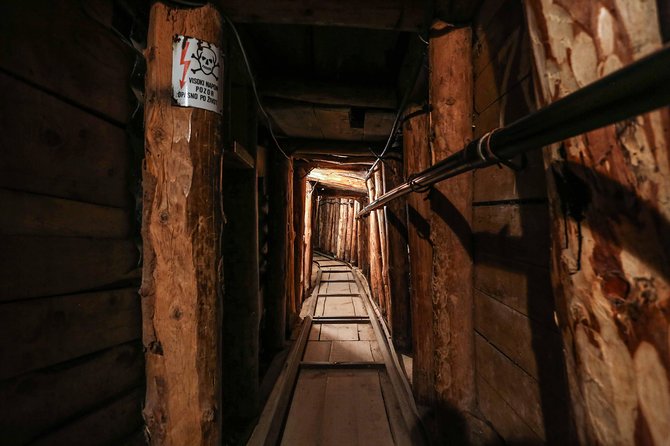
Think of this as a concentrated, 3 hours 30 minutes introduction to what the Siege of Sarajevo did to daily life, politics, and survival. The route is built for a guided format, with quick stops to orient you, then longer time at the one place that changes how you picture the war: the underground connection to the outside world.
You will cover a lot of ground in a short window. That matters because Sarajevo can be confusing for first-time visitors. Instead of trying to string together sites on your own, you get a clear sequence: defenses, memorials, war damage and symbols, and then the Tunnel of Hope Museum.
It is also practical. The tour includes transportation and a licensed guide, and you get a mobile ticket. There is a maximum group size of 20, which usually helps keep the pace steady and the tone respectful, especially with a subject this intense.
Other accounts of the siege years:
- Fall of Yugoslavia, Sarajevo War Tour with Tunnel of Hope Museum and Frontlines
★ 5.0 · 1,314 reviews - Sarajevo: Tunnel Museum Yugoslavia War Tour with War Veteran
★ 5.0 · 1,111 reviews - Tunnel Museum: Bosnian & Yugoslav Wars Tour with War Veteran
★ 5.0 · 551 reviews
Starting at Zelenih beretki 30, then heading out by van
The tour meets at Sarajevo Insider – City Tours and Excursions, Zelenih beretki 30, Sarajevo 71000. From there, the activity ends back at the same meeting point. It is designed so you do not have to plan a second ride or hunt for a pickup later.
Because it is near public transportation, you can reach the start point without stress if you are staying around the city center. The included transportation is also a big deal. A tour like this works better when you are not constantly stopping to navigate streets that are less familiar.
Timing is straightforward: you start at the meeting point and move site to site through the city. Most of the stops have free admission, so the tour feels like one package rather than a stack of separate tickets. The one ticket you need to plan for is the Tunnel of Hope Museum.
Yellow Fortress and Kovači Cemetery: defenses and memorials you can feel
The early part of the tour sets the frame. You begin with a meet-and-greet with the guide at the Insider City Tours & Excursions meeting point. After that, you head toward one of the best places to get your bearings: The Yellow Fortress.
This stop is short, around 20 minutes, but it matters. The views help you understand why Sarajevo’s geography and fortifications played such a big role in the war. You are not just looking at a lookout point. You are learning how defenses shaped what people could see, where they could move, and how the city tried to hold on.
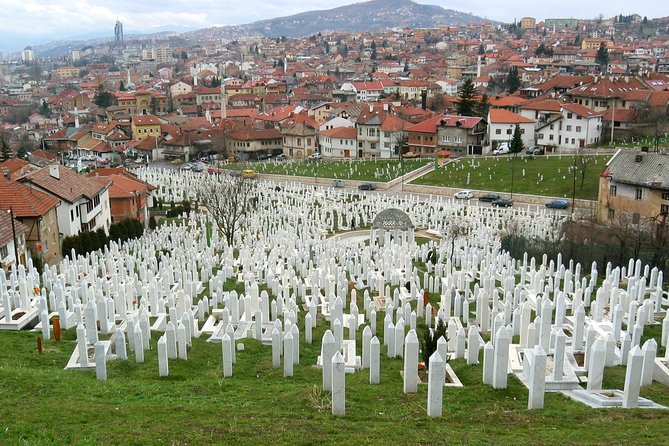
Then you move to Kovači Cemetery, a national memorial honoring Bosnia’s defenders from the 1992 to 1995 war. This is a brief stop, about five minutes, but it is meant for reflection. Even if you only take a few minutes, you will likely find the tone shifts here. It is a reminder that the siege was not abstract, it was human lives and human loss.
Presidency Building, Markale Market, and Trg Djece Sarajeva symbolism
From memorial ground, you shift back into the city’s story in a more visible way. You pass several landmarks that connect war decisions to real public spaces.
You will learn about the City Hall, including its destruction and symbolic restoration. This is one of those details that helps you read the city in layers. Sarajevo is not only remembering what happened, it is also showing what got rebuilt and how the community chose to represent itself afterward.
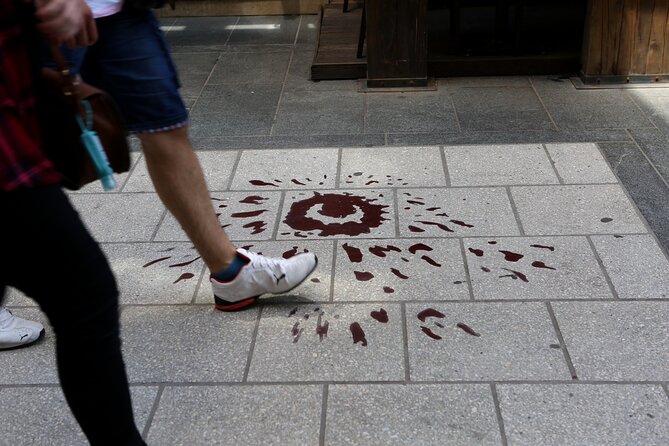
Next comes a pass by Markale City Market. It is a marketplace setting, but the point is that it was part of moments that mattered during the siege. A market is where life shows up, food, errands, routine. Seeing that as a war event changes the scale of what you are imagining.
You will also pass Trg Djece Sarajeva, a square that symbolizes Sarajevo’s endurance. The clue is in the name, and the guide’s framing helps you connect that endurance to what people experienced during the siege, not just what later history books say.
Then you look toward the Presidency Building, the historic seat of the presidency of Bosnia and Herzegovina. During the war, this kind of power center is more than administration. It becomes a focal point, a target, and a symbol all at once.
Other visits to the tunnel museum:
- Sarajevo: Tunnel of Hope Tour – Survival and Resilience
★ 4.8 · 630 reviews - Sarajevo: Bosnian War & Fall of Yugoslavia Tour with Tunnel
★ 4.9 · 398 reviews - Sarajevo: A Siege Story – The Tunnel of Hope Experience
★ 4.8 · 206 reviews - Tunnel of Hope Tour – Survival and Resilience
★ 5.0 · 118 reviews
Sniper Alley and RTV Dom: the war broadcast through real streets
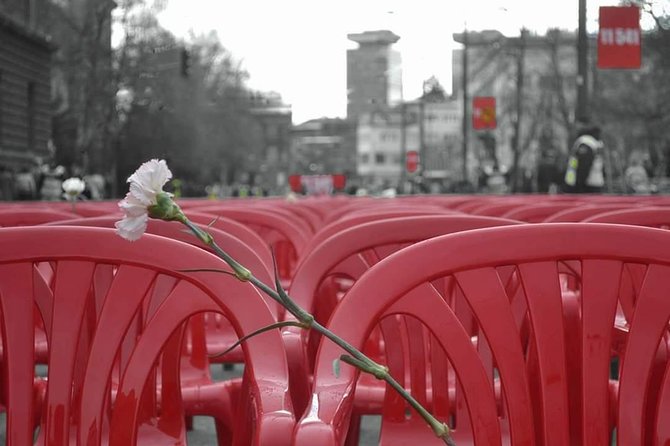
Later in the route, you get into the portion that many people remember most for its immediacy. You will drive along Sniper Alley, described as one of the most dangerous streets during the siege. Even with the drive-by format, you should get a clear sense that some streets were not just inconvenient, they were lethal.
You also pass the RTV Dom, the national TV building. The Siege era story is not only about what happened in shelters and on front lines. It is also about communication, what the world heard and what locals could show, and why broadcasting mattered when everything felt under pressure.
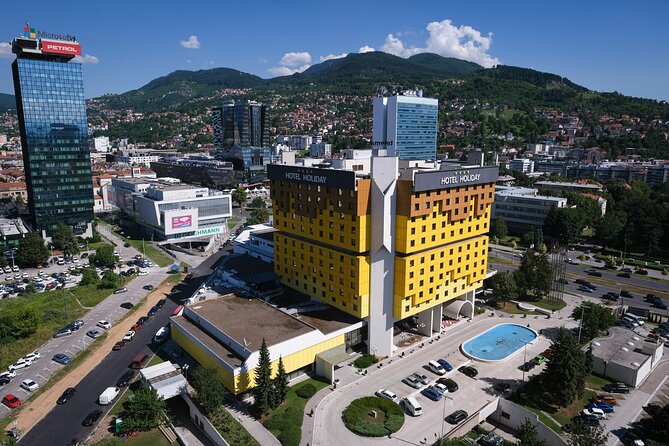
On the way, you will see Parliament and the Holiday Inn Hotel passed by, with a connection to wartime journalism and political decisions. The inclusion of media and governance themes is a helpful balance. It prevents the tour from becoming only a list of tragic moments. You see the machinery behind the siege, the decisions that shaped it, and the reporting that influenced perception.
This section works well if you like to understand cause and effect. The guide’s local perspective helps connect these landmarks so they do not become random stops on a city walk.
Olympic Stadium, Hall Zetra, and the maternity hospital clinic stop
Sarajevo during the war had a double identity, sports and mass events on one side, danger and disruption on the other. You visit Asim Ferhatovic Hase Stadium, also known as the Olympic Stadium, along with Hall Zetra. The tour gives you context for how Sarajevo could be an Olympic hub while still being a war-torn city.
This stop is only about 10 minutes, so it is not a museum visit. The value is the framing. When you see a major venue repurposed by history, it makes the siege feel more real because it shows how war interfered with everything, even the normal rhythm of large gatherings.
Next, you stop near Klinika za ginekologiju i akušerstvo, the Sarajevo maternity hospital. This is another 10-minute stop, focused on the heroic efforts of medical staff during the siege. It is here that you may feel the tour shift again from buildings and streets to people doing the job of keeping others alive.
If you care about human-scale stories, this is one of the best places on the route. You can almost see the contrast: the danger of certain streets, then the quiet intensity of hospitals trying to function under siege conditions.
Tunnel of Hope Museum: the ticketed 1 hour 15 minutes emotional core
The highlight for most people is the Sarajevo War Tunnel experience, also called the Tunnel of Hope Museum. The visit runs about 1 hour 15 minutes. This is the one section that is not free, and it is priced separately.
Tunnel of Hope Museum ticket costs are:
- Adults: 20 BAM (about 10.50€)
- Students: 8 BAM (about 4.50€)
That pricing is important for value. You are already paying $32.58 for the guided tour with transportation and a series of free admission stops. So paying a separate tunnel ticket still feels fair, because the museum time is longer and the site is the centerpiece.
What makes this stop especially powerful is that it answers a practical question: how did a city under siege get connected to the outside world? Instead of staying at the level of speeches or headlines, you get a built solution you can walk through and see explained.
If you want one reason to choose this tour over doing only self-guided sightseeing, it is this. The Tunnel of Hope reframes the entire route. After you visit, earlier landmarks feel less like geography and more like parts of one survival story.
Nermin’s personal perspective and why it changes the tone
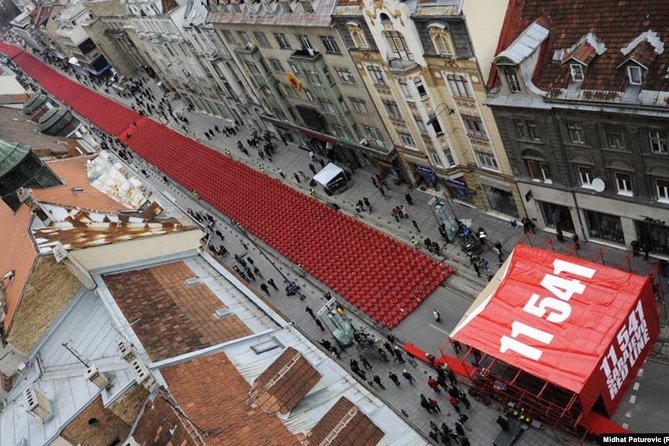
A standout in the feedback is the guide dynamic. Many people highlight Nermin, including the fact that he can share personal experiences as someone who lived through the war and also served as a former police officer. That kind of first-person framing does something subtle but real: it makes the timeline less like a lecture and more like an explanation someone gives because they remember it.
You do not have to be a history buff to benefit from that. Even if you only know the basics about the breakup of Yugoslavia and the Siege of Sarajevo, the guide can help you translate events into what they meant day to day.
Some tours stick to broad facts. This one uses the facts, then adds lived context. That is why you tend to walk away with a clearer picture of why certain buildings mattered, why certain streets were feared, and why the Tunnel of Hope was not just an engineering project, it was a lifeline.
Price and value: $32.58 with transportation, guide, and mostly free stops
At $32.58 per person, the tour price is fairly low when you compare what is included. You get a licensed guide and transportation. You also get multiple stops with admission marked as free, including Yellow Fortress and Kovači Cemetery, plus the other quick landmark segments.
The only extra cost to plan for is the Tunnel of Hope Museum ticket. With that in mind, the tour is still good value because:
- The museum visit is long enough to matter (1 hour 15 minutes)
- You are not paying to enter every stop
- The route prevents wasted time moving between sites on your own
One other value point is group size. With a maximum of 20 people, you are less likely to feel lost in a crowd. For a serious subject, a smaller group helps the tone stay focused.
Who this tour suits, and who might choose a different day
This tour is a strong fit if you want a guided Sarajevo introduction that connects the Siege to specific places. You will likely enjoy it if you like order and structure, because the route is designed as a sequence rather than random wandering.
It also fits travelers who prefer learning from a person rather than reading plaques. The guide’s personal storytelling adds a human layer that can make the Tunnel of Hope museum experience hit harder.
Who might reconsider? If you want purely light sightseeing, this is not the best match. The topic is tragic, and the stops are memorial and siege-focused. Also, if you dislike paying extra for a single timed museum visit, you might want a different tour format.
If you are sensitive to heavy topics, plan your day thoughtfully. Build in time afterward for quiet and distance. You can still come away informed and moved without rushing.
Should you book Times of Misfortune in Sarajevo?
I think you should book it if you want the simplest, most direct path to understanding Sarajevo’s siege through real places. The mix of quick landmark stops, memorial ground, and then the long Tunnel of Hope visit creates a complete arc, and the guide storytelling is a major reason people rate it so highly.
Book it especially if you are short on time. In 3.5 hours, you will see a lot of major sites and get enough context to connect them into one story. The emotional core is there, but it is not only emotion. It is also logistics, survival, decisions, and communication.
If you are visiting in seasons with unpredictable weather, keep an eye on conditions. The tour requires good weather, and the Tunnel of Hope part is easier to enjoy when the day stays stable.
If you want Sarajevo in one guided sweep that stays honest and human, this is a solid choice.
FAQ
How long is the Times of Misfortune tour?
It lasts about 3 hours 30 minutes.
Where does the tour start?
The meeting point is Sarajevo Insider – City Tours and Excursions, Zelenih beretki 30, Sarajevo 71000, Bosnia and Herzegovina.
What language is the tour offered in?
It is offered in English.
Is transportation included?
Yes. Transportation is included as part of the tour.
Are any admission tickets included?
Most stops are free. The Tunnel of Hope Museum ticket is not included.
How much is the Tunnel of Hope Museum ticket?
Adults pay 20 BAM (about 10.50€), and students pay 8 BAM (about 4.50€).
How long is the Tunnel of Hope Museum visit?
The Tunnel of Hope Museum visit is about 1 hour 15 minutes.
What is the group size limit?
The tour has a maximum of 20 travelers.
Is the tour dependent on weather?
Yes. It requires good weather.
Can I cancel for free?
Yes, you can cancel up to 24 hours in advance for a full refund.
Newest Sarajevo write-ups
- Sarajevo to Zagreb: One-Way Tour via Jajce, Travnik, Pliva Lake and Watermills★ 5.0 · 3 reviews
- Mountain Village Lukomir Full Day Adventure Tour★ 5.0 · 3 reviews
- Sarajevo E-Bike City Tour★ 5.0 · 3 reviews
- Bosnian Kingdom Capitals: Travnik & Jajce Tour from Sarajevo★ 5.0 · 3 reviews
- Strbacki Buk and Una Waterfalls: Day Trip from Sarajevo★ 5.0 · 3 reviews
- Sarajevo Snowshoeing Adventure★ 5.0 · 3 reviews
- Sarajevo Old Town: Bosnian Coffee, Baklava & Panoramic Views★ 5.0 · 3 reviews
- 4 Hours Tara Rafting Trip★ 5.0 · 3 reviews
Siege of Sarajevo Tours, compared.
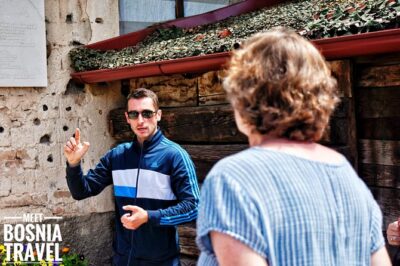
Fall of Yugoslavia, Sarajevo War Tour with Tunnel of Hope Museum and Frontlines
Read our review →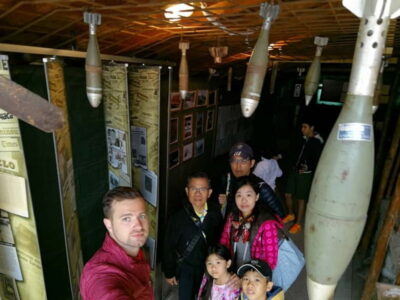
Tunnel Museum Yugoslavia War Tour with War Veteran
Read our review →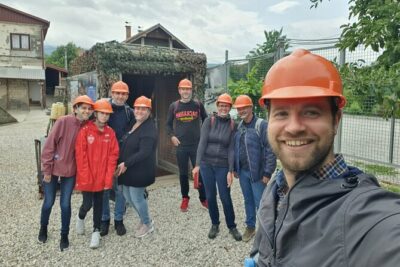
Tunnel Museum: Bosnian & Yugoslav Wars Tour with War Veteran
Read our review →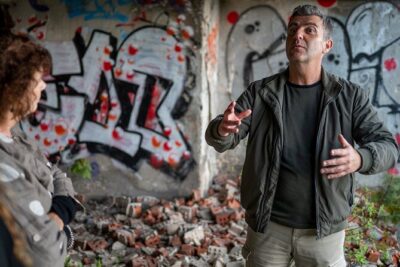
Sarajevo War Tour: A Veteran’s Story of the Siege (fees included)
Read our review →
Srebrenica Genocide Study Tour with War Veteran
Read our review →
Break-up of Yugoslavia & The War in Mostar: Life Under Siege
Read our review →Browse the lists this tour appears in